Last updated November 20, 2026
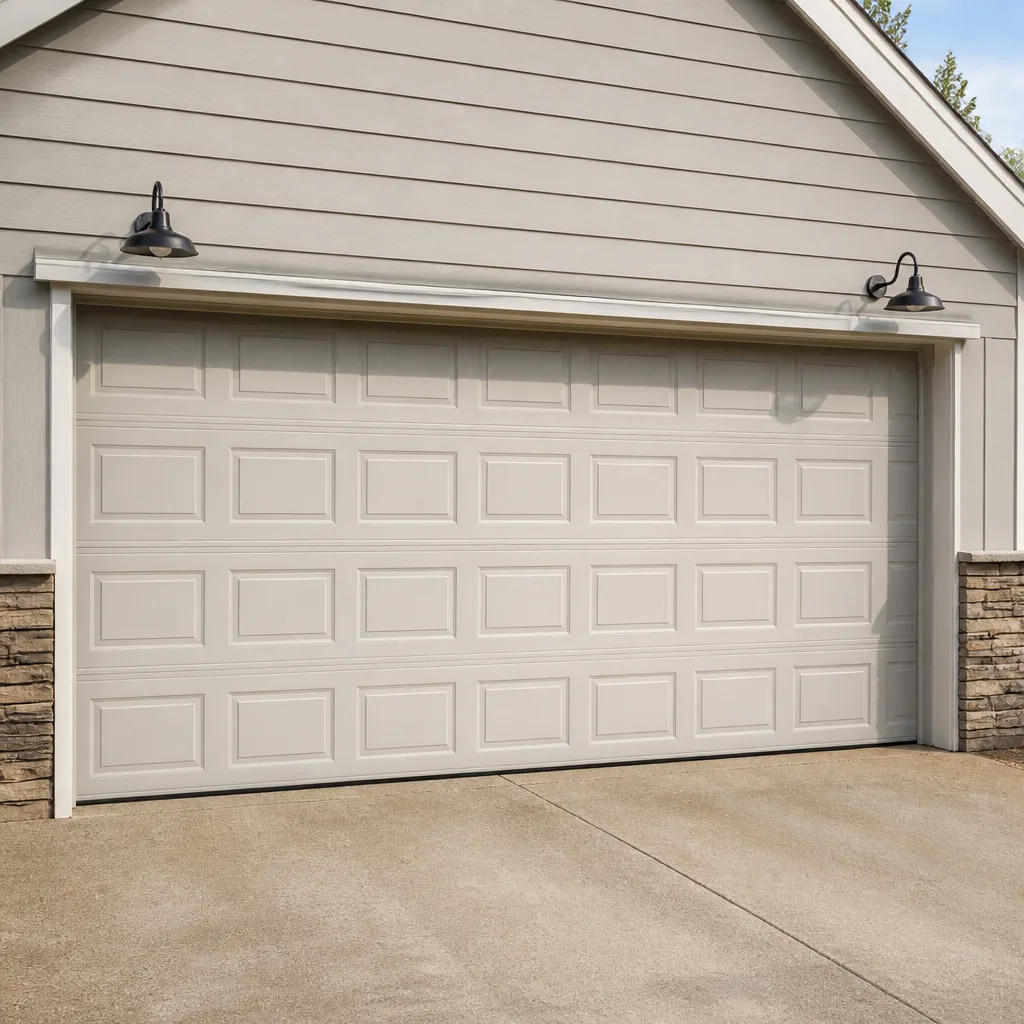 Raised-panel steel
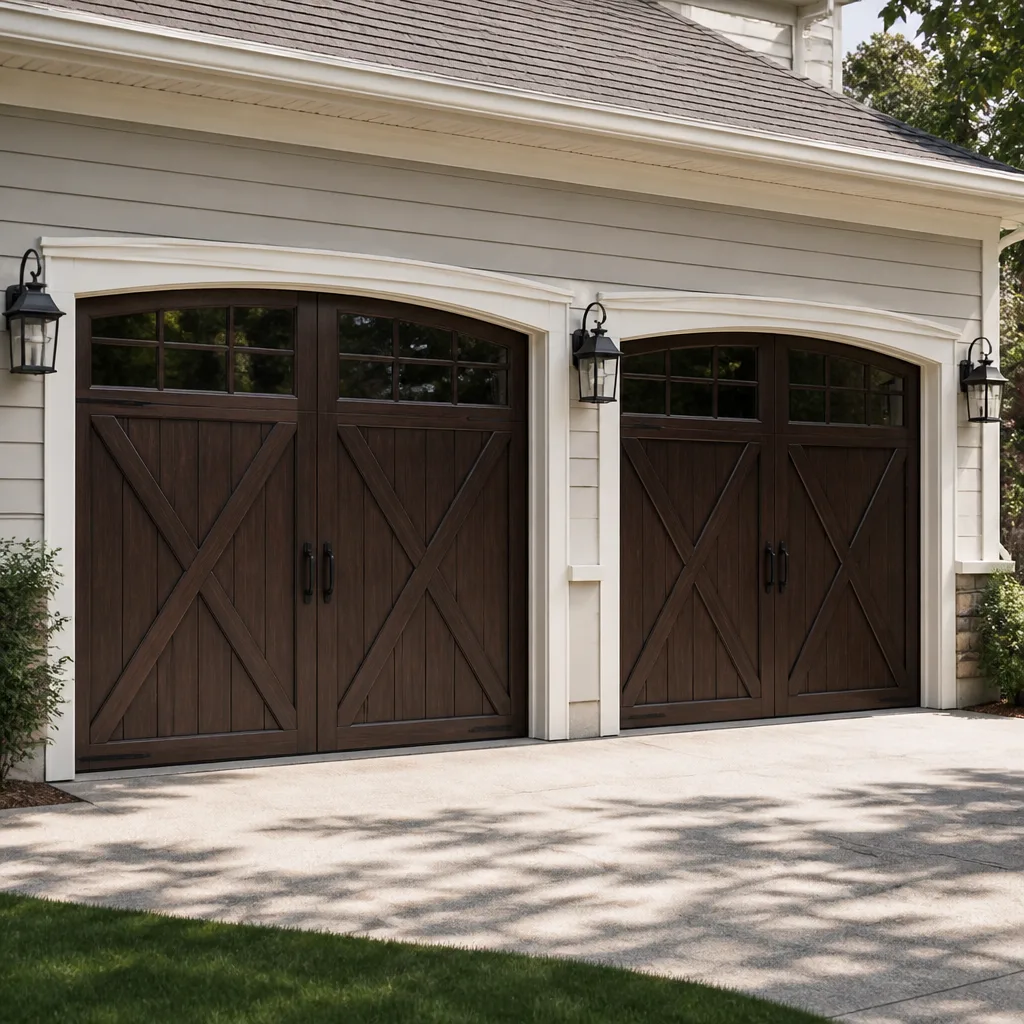 Carriage house
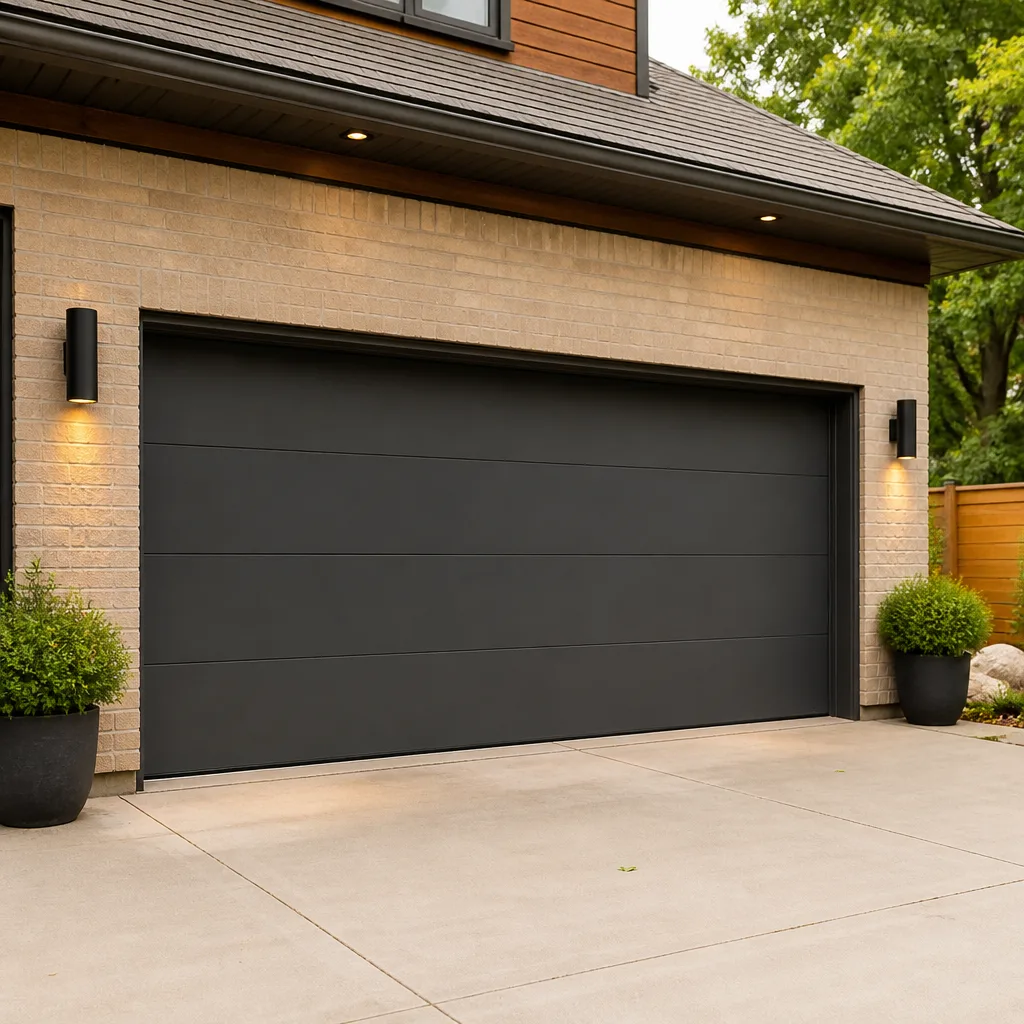 Modern flush
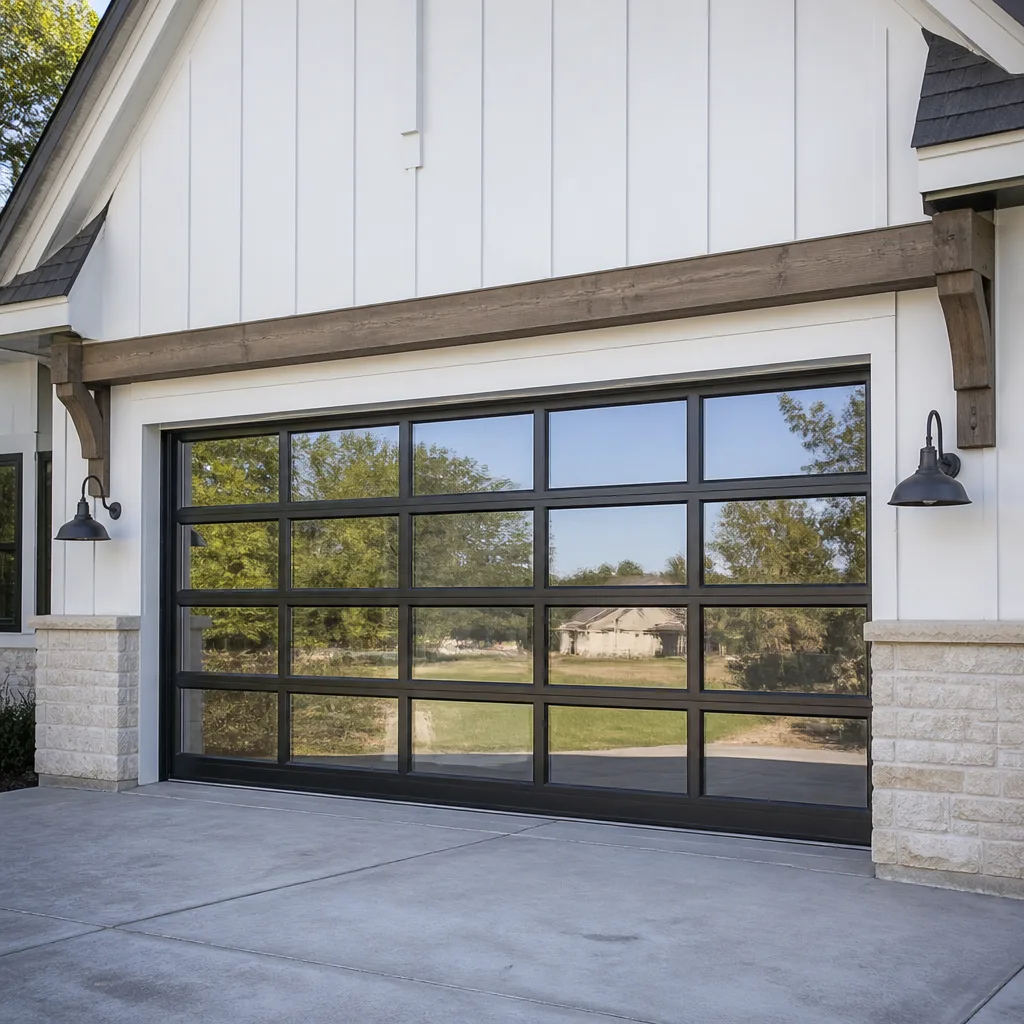 Full-view glass
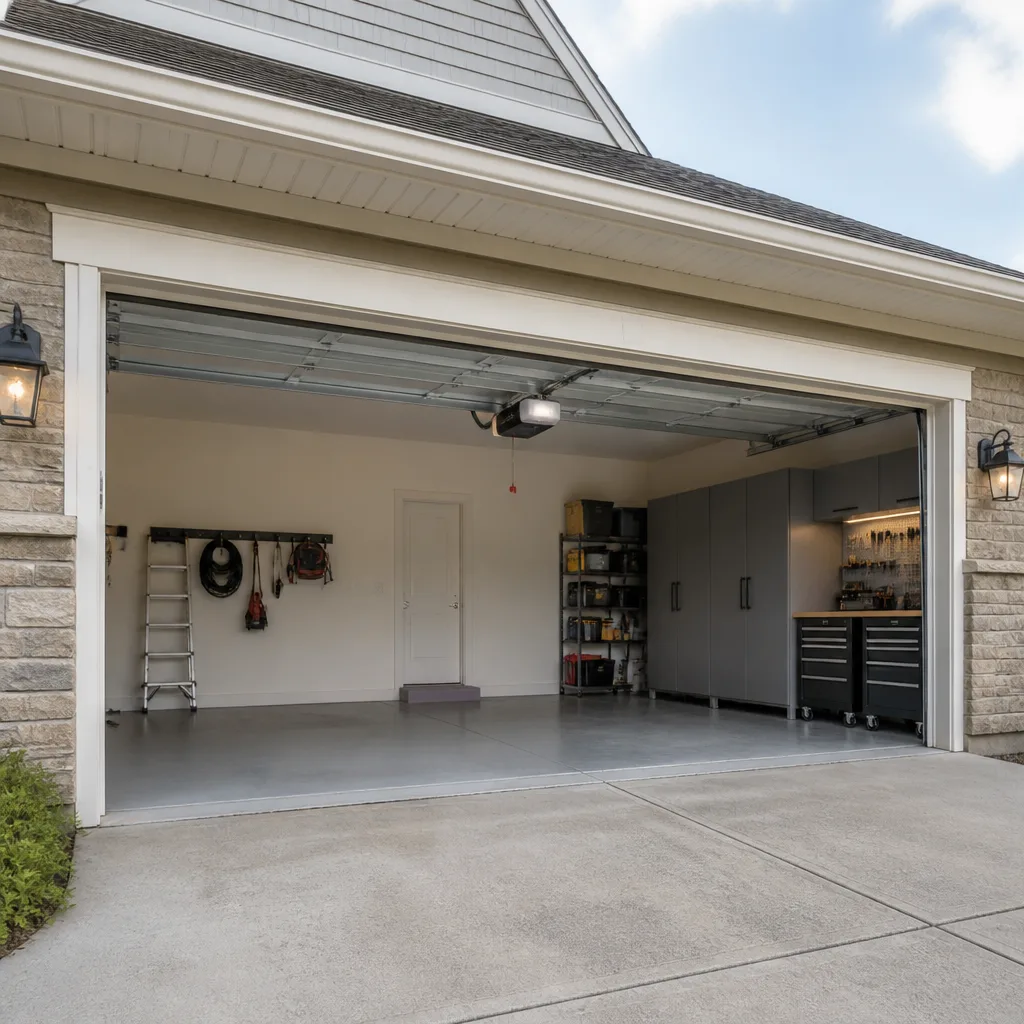 LiftMaster openers
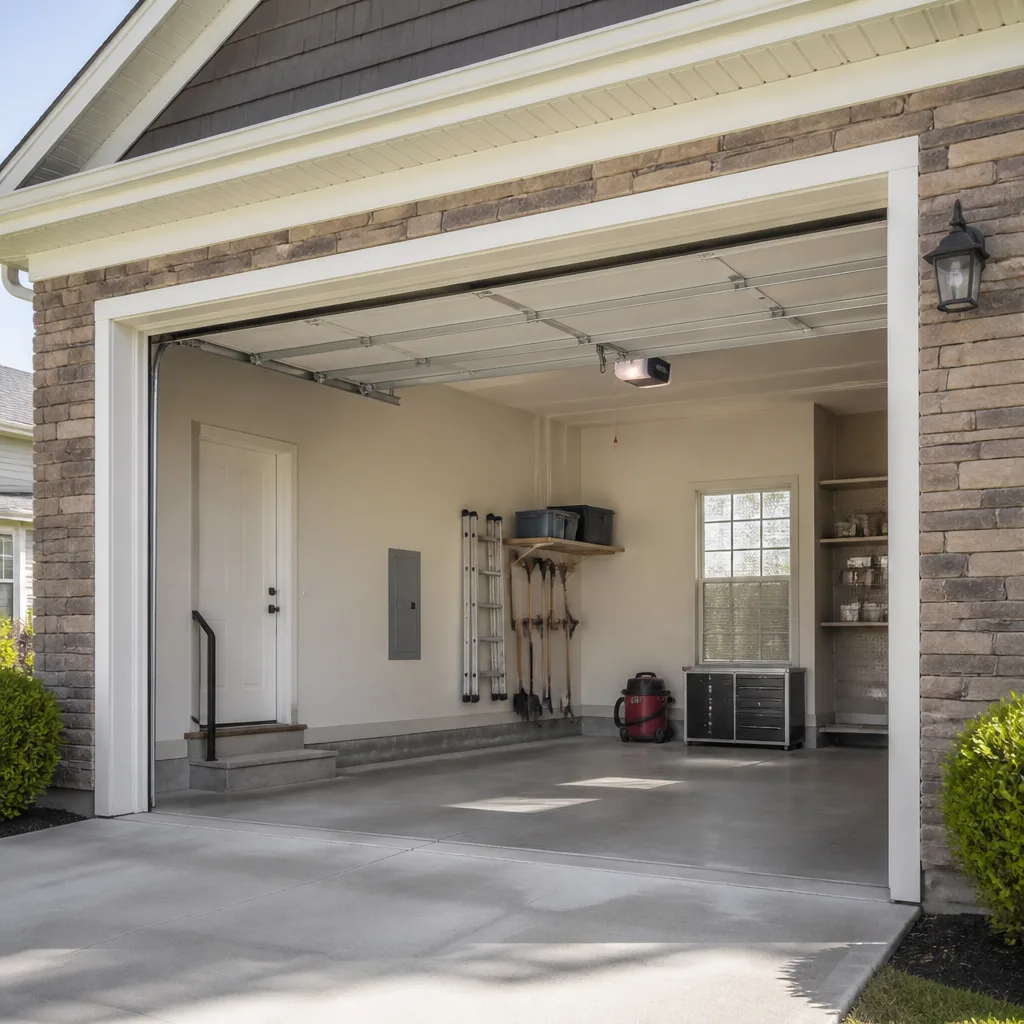 Chamberlain openers
Full 25-point door and opener safety check with every visit - springs, cables, rollers, tracks, and your LiftMaster or Chamberlain opener included
You get a price before we start. It does not change when the pro arrives.
Get your free estimateHow to Hire a Garage Door Contractor in Slavic Village: A Step-by-Step Guide
The most common complaint after a bad garage door install isn’t that the door fell off. It’s that the contractor didn’t have the right springs in stock, substituted a different size, and left without telling anyone. That one decision can cut spring lifespan by half, and the homeowner usually doesn’t find out until the door starts acting up months later. Hiring well in Slavic Village means filtering out the moonlighters and the big-box subcontractors before they touch your door. This guide walks you through the exact questions to ask, what a real estimate looks like, and how to spot substitution risk before it costs you.
Quick Answer
To hire a garage door contractor in Slavic Village, verify Ohio contractor licensing and insurance, ask brand-specific questions about the system you already own, and insist on a written estimate that lists spring specifications, cycle ratings and hardware brands. A true specialist answers those questions without hesitation; a generalist with a ladder won’t. Call (855) 814-1061 for a free estimate.
Styles & brands we work with
- Raised-panel steel
- Carriage house
- Modern flush
- Full-view glass
- LiftMaster openers
- Chamberlain openers
Table of Contents
- Why Hiring Wrong Costs More in Slavic Village
- How Do You Tell a Specialist From a Generalist?
- What Questions Should You Ask Before You Hire?
- What Should a Legitimate Estimate Actually Include?
- How Do You Verify Ohio Licensing and Insurance?
- What Are the Red Flags Specific to Garage Doors?
- Does the Contractor Stock Parts or Order Them?
- The Step-by-Step Hiring Process
- Common Mistakes to Avoid
- When to Call a Professional
- Frequently Asked Questions
- The Bottom Line
Why Hiring Wrong Costs More in Slavic Village
Slavic Village is an old Cleveland neighborhood, and most of its housing stock reflects that. The homes along Fleet Avenue and the side streets off Broadway were built for working families, and many of the garages behind them are detached, unheated structures that have been standing for generations. That matters when you hire, because a detached garage in this climate takes a beating. Northeast Ohio winters swing from wet and heavy to hard freeze and back again, and that freeze-thaw cycle works on door hardware, springs, cables and tracks all season long.
What that means practically is that a Slavic Village garage door gets more cycles of stress than one in a milder climate, and the parts that fail are the parts a generalist is most likely to substitute. When a handyman shows up with whatever spring is on his truck, you get a spring rated for a different door weight or a lighter cycle count than your door needs. It opens and closes, so nobody complains. Then it fails early, and the homeowner assumes garage doors are just unreliable.
Hiring well in Slavic Village also means understanding the local market. There are three kinds of people who will quote you a garage door job here: a true garage door specialist, a general handyman who takes doors on the side, and a big-box installer who subcontracts to whoever’s available that week. The first one diagnoses your actual system. The second improvises. The third may never have seen your door until the morning of the install. The outcome differences are real, and they start with the questions you ask before anyone shows up.
One more local consideration: older detached garages in Slavic Village often have doors that have been replaced once or twice already, sometimes with mismatched hardware. A specialist walks up and reads that history in about thirty seconds. If your technician doesn’t look at the springs, the tracks and the opener before quoting, that’s your first sign.
How Do You Tell a Specialist From a Generalist?
You tell a specialist from a generalist by asking about your specific brand and watching how fast the answer comes. A garage door specialist works on the brand you already have and knows it by name. Ask a generalist what he thinks of Raynor torsion systems or how a LiftMaster opener handles safety reversal, and you’ll get a generic answer or a change of subject.
Brand familiarity isn’t marketing talk. Every manufacturer builds its doors and openers with different spring configurations, cable anchor points, track profiles and safety systems. LiftMaster and Chamberlain openers share a lot of design language; Genie runs its own logic and its own accessory ecosystem. Doors are the same story. A Clopay door and a Wayne Dalton door from the same era may look similar from the curb but take different hardware, different springs and different adjustment procedures. A technician who has to figure that out on your driveway is learning on your door.
Here’s how to test it in a two-minute conversation:
- Name your brand unprompted. Say “It’s a Raynor door with a Genie opener” and see whether the response is specific or a nod.
- Ask what spring your door likely has. A specialist asks about door weight and height before answering. A generalist guesses.
- Ask what they’d check first. The answer should mention balance, spring tension, cable condition and track alignment, not just “I’ll take a look.”
- Ask if they handle openers too. Single-trade specialists do both the door and the opener, which matters when the problem could be either.
We work on the brand you already have, which is why our technicians are trained across LiftMaster, Chamberlain, Genie, Clopay, Amarr, Wayne Dalton, Craftsman and Raynor. That’s not a badge to hang on the wall; it’s the difference between diagnosing by the actual system and running a one-size-fits-all checklist.
What Questions Should You Ask Before You Hire?
Ask these questions before anyone comes out, and you’ll separate the specialists from the moonlighters quickly. The answers matter less than how they’re delivered. A specialist answers directly. A generalist hedges, promises to “take a look,” or tells you it depends on a dozen things he can’t name.
- “What brands do you work on regularly?” The answer should be specific names, not “all of them.” Anyone who claims universal expertise across every brand is telling you they specialize in none.
- “Is spring repair something you do as its own service, or as part of general repair?” Springs are the highest-risk component on the whole door. A company that treats spring work as a dedicated service takes it seriously.
- “Do you stock common springs and opener parts, or order them?” This one question predicts how long your repair takes, especially in an emergency.
- “Who actually does the work?” If the answer involves a subcontractor you’ve never met, ask when you’ll know who’s coming.
- “Can you give me a written estimate with specifications?” Vague line items hide substitution risk. Specifications don’t.
- “What happens if the job takes longer than expected?” The answer should be that the quote holds and you’re told before anything changes.
- “Are you insured for garage door work?” General liability and workers’ comp both matter, and you should be able to see proof.
Ask about emergency availability too. A door that won’t close leaves a Slavic Village home open, and a door that won’t open traps the car. A specialist who offers emergency garage door service will tell you how that works. A generalist will tell you he’ll try to squeeze you in.
What Should a Legitimate Estimate Actually Include?
A legitimate garage door estimate lists spring specifications, cycle ratings and hardware brands by name. A bad estimate lists a price and a vague description like “replace springs.” The difference matters because the vague version gives the contractor room to substitute a cheaper, lighter-duty part after you’ve agreed on the price.
Here’s what a written estimate for garage door work should spell out:
- Spring wire size and inside diameter. These two numbers determine whether the spring matches your door’s weight. Without them, the spec is a guess.
- Cycle rating. Springs are rated by how many open-and-close cycles they’re built for. Standard and high-cycle springs exist at different price points, and you should know which you’re getting.
- Hardware brand. Hinges, rollers, cables and brackets all come in different grades. The estimate should name what’s going in.
- Number of springs. A price for one spring and a price for a matched pair are different numbers. If the estimate doesn’t say which, ask before you sign.
- Opener model number if an opener is involved. “New opener” is not a specification. “LiftMaster with battery backup” is closer to one.
- Labor separated from parts. You’re paying for two things. Seeing both helps you compare bids honestly.
- The written total, agreed before work starts. This is the line that protects you. The price you agree to is the price you pay.
When you compare estimates, compare specifications, not just totals. A cheaper bid usually gets cheaper somewhere, and the somewhere is almost always the spring or the hardware. Failing springs are one of the most common garage door failures, and the quality of the replacement determines how soon you’re back on this page.
How Do You Verify Ohio Licensing and Insurance?
Verifying an Ohio garage door contractor starts with asking for proof of general liability insurance and workers’ compensation coverage, and then actually looking at it. Ohio doesn’t run a single statewide license for garage door work the way it does for some other trades, so licensing happens at the local level. Call the City of Cleveland’s building department and ask what’s required for the work you’re having done, and whether a permit is needed. Most cities require a permit for structural changes to a garage, so it’s worth the phone call.
Insurance is where the details matter most for garage door work specifically. Here’s what to check:
- General liability coverage. This protects you if the work damages your door, your car, your garage frame or your home. Ask for a certificate of insurance and check that the coverage is current.
- Workers’ compensation. If a technician is injured on your property and the company doesn’t carry workers’ comp, the situation can turn into your problem. This is not a detail you skip.
- Who’s covered. If subcontractors are doing the work, they need their own coverage. Ask the question directly.
- Having the conversation up front. A company that’s properly covered will answer this question without flinching. One that gets defensive about it is telling you something.
The local pro we connect you with is licensed and insured as their state requires. Ask to see the proof anyway. Anyone who does this work seriously expects the question and carries the paperwork.
What Are the Red Flags Specific to Garage Doors?
The biggest red flag in this trade is a spring quote that’s far below everyone else’s. When one bid comes in dramatically cheaper than the rest, the difference is usually the spring itself: a lighter wire gauge, a lower cycle rating, or a single spring where your door was built for a pair. It works when it’s installed. It just won’t last, and the failure comes sooner than it should.
Other red flags worth knowing:
- “Lifetime warranty” language. A warranty is only as good as the company that backs it. Ask what the warranty actually covers and who honors it if the company closes. A warranty tied to a business that vanishes is a warranty worth nothing.
- No written estimate. A verbal price is not a price. It’s a starting point for an invoice you won’t like.
- Willingness to cut corners on safety. Springs, cables and brackets are under enormous tension. A technician who suggests skipping the safety check to save time is telling you how he works.
- Vague answers about brands. If the answer to “what brand of spring is that” is “the good kind,” you’ve learned what you need to know.
- Pressure to decide on the spot. Real specialists give you a written estimate and let you think. High-pressure sales is a big-box installer habit, not a trade habit.
- No emergency availability at all. Not every company offers it, but the ones that do have thought about the logistics of a door that won’t close at a bad time.
One more: a contractor who won’t tell you which spring spec he’s using. Springs are not a DIY repair, so you’re relying entirely on the person doing the work. The specification is the only part of the job you can verify.
Does the Contractor Stock Parts or Order Them?
Whether a contractor stocks parts or orders them decides how long your repair takes, and it matters most in an emergency. Springs, rollers, hinges and cables are common replacement items, and a specialist who stocks the common sizes can finish most repairs the same day. A company that has to order every part will tell you the repair is scheduled for later in the week, and an emergency turns into a wait.
Here’s how to evaluate it before you commit:
- Ask directly: “Do you carry common spring sizes and opener parts, or order them?”
- Ask what happens if your exact spring isn’t in stock. The right answer involves ordering the correct specification, not substituting whatever’s close.
- Ask about emergency response. If the company offers emergency service, ask how an after-hours call actually works. A real offering has a process behind it.
- Ask about brand-specific parts. A Raynor opener part and a Chamberlain part aren’t interchangeable, and ordering the wrong one adds another cycle to the wait.
The trade-off matters in Slavic Village more than in some places. An older garage with a door that’s been swapped out before might not take a standard spring, which means even a well-stocked company has to order. That’s fine as long as you’re told up front. What’s not fine is a contractor showing up with a mismatched part and installing it without saying anything.
Emergency or scheduled, we show up equipped. If you’re dealing with a broken spring or a door that won’t close, call (855) 814-1061 and we’ll get someone moving.
The Step-by-Step Hiring Process
This is the whole process in order, from the moment you decide your door needs work to the moment it’s fixed. Follow it and you’ll avoid most of what goes wrong in this trade.
- Identify your system before you call anyone. Walk out and read the brand name off the door and the opener. Note whether your door has one spring or two, and whether it’s torsion (horizontal bar above the door) or extension (springs running along the tracks). A homeowner who knows this gets better answers and better quotes.
- Call two or three companies. Ask the questions from the section above on the phone. Compare the answers, not just the numbers.
- Request a written estimate with specifications. Spring wire size, inside diameter, cycle rating, hardware brand. If the estimate doesn’t have them, ask for them.
- Verify licensing and insurance. Call the local building department about permits and look at the certificate of insurance.
- Compare bids on the specifications, not the total. A cheaper bid is usually cheaper somewhere. Find out where before you accept it.
- Get the written total agreed before work starts. The price you agree to is the price you pay, and that agreement should be in writing.
- Ask who’s actually doing the work, and when. Get a named company and a scheduled time. If a subcontractor is coming, know it in advance.
If you already know what’s wrong and you’re ready to skip ahead, our Garage Door Repair Slavic Village page covers the repair side directly. If the door itself has reached the end of its life, our garage door installation process starts with a free measure and written price. For a door that opens but won’t obey the remote, garage door opener repair is the right starting point.
Common Mistakes to Avoid
Most of the bad outcomes in this trade come from the same short list of mistakes. Here’s what to watch for.
- Hiring the cheapest spring quote without comparing specs. A light-duty spring installed cheaply costs more over time than a properly matched one. Ask about wire gauge and cycle rating before you accept a low bid.
- Skipping the insurance question. A technician injured on your property with no workers’ comp coverage is a problem you didn’t ask for. It takes two minutes to ask.
- Accepting a verbal estimate. Verbal prices are starting points. Written estimates with specifications are the only ones you can compare and hold a company to.
- Assuming a general handyman is cheaper. A handyman who has to order the right parts or substitute the wrong ones ends up costing more than a specialist who got it right the first time.
- Hiring whoever’s available without asking about parts. If your door fails in a Slavic Village cold snap and the company has to order, you’re waiting with a door that won’t close.
- Not asking who’s actually doing the work. Big-box installers often subcontract. Find out before you schedule, and ask what happens if the sub doesn’t show.
- Trying to fix springs or cables yourself. Springs are not a DIY repair. They hold enough stored energy to cause serious injury, and the job requires the right tools and technique.
Every one of these is a problem you can prevent with a single phone conversation. Ask the questions. The wrong contractor is easy to filter out before anyone shows up.
When to Call a Professional
Some garage door problems need a quick call, not a weekend’s worth of troubleshooting. Call a professional when your door won’t close all the way and your home is left open, when the door won’t open and your car is trapped inside, when you hear a loud snap from above the door, or when the door is visibly off its track and sitting crooked. Any of those means stop using the door. A door that’s off track can come down hard, and a snapped spring means the whole door is unbalanced.
Call us when your opener runs but the door doesn’t move, when the remotes work intermittently, when the safety reversal fails the test, or when the door is getting noticeably stiffer to lift. On older doors, a dedicated spring service call is worth it before a failure happens.
Garage Door Repair Slavic Village offers free estimates in Slavic Village and across the neighborhood. Call (855) 814-1061 and we’ll come look, or talk it through with you first if the door can wait.
Frequently Asked Questions
Spring repair in Slavic Village typically runs in a range that depends on the spring size, the cycle rating and whether your door uses one spring or a matched pair. A price for one spring and a price for a pair are different numbers, and you should always ask which one you’re being quoted. Call (855) 814-1061 for an exact quote; estimates are free.
A real specialist answers brand-specific questions immediately and tells you what spring your door likely needs before seeing it. Ask what brands they work on regularly and listen for specific names. If the answer is vague, keep calling. Call (855) 814-1061 to talk to ours.
No. The price is quoted and agreed before any work starts, and the written estimate sets the final price. If something different turns up once we’re on site, we tell you before anything changes, and you decide. Call (855) 814-1061 for a free estimate.
The local pro we connect you with is licensed and insured as their state requires, and carries general liability and workers’ compensation coverage. Ask to see the certificate; anyone doing this work seriously expects the question. Call (855) 814-1061 with any questions.
Yes. Emergency garage door service is a real part of what we offer, not a marketing phrase, and a door that won’t close is exactly the kind of call we take. We’ll tell you on the phone when someone can be there. Call (855) 814-1061 right away.
Yes. The same company handles a quick opener repair and a full new-door installation, so you don’t need a second contractor as your needs change. Installation starts with a free measure and a written price. Call (855) 814-1061 to schedule.
The Bottom Line
Hiring a garage door contractor in Slavic Village comes down to asking the right questions before anyone shows up. Verify licensing and insurance, ask brand-specific questions about the system you already own, and insist on a written estimate with spring specs, cycle ratings and hardware brands named. Watch for quotes that are dramatically cheaper than the rest, because the savings usually come out of the spring. Ask whether the company stocks parts or orders them, especially if your door fails in a cold snap. And remember the safety line: springs are not a DIY repair. One phone conversation filters out most of what goes wrong in this trade. Call (855) 814-1061 for a free estimate, and get the job done right the first time.
Written by the team at Garage Door Repair Slavic Village.
See the difference
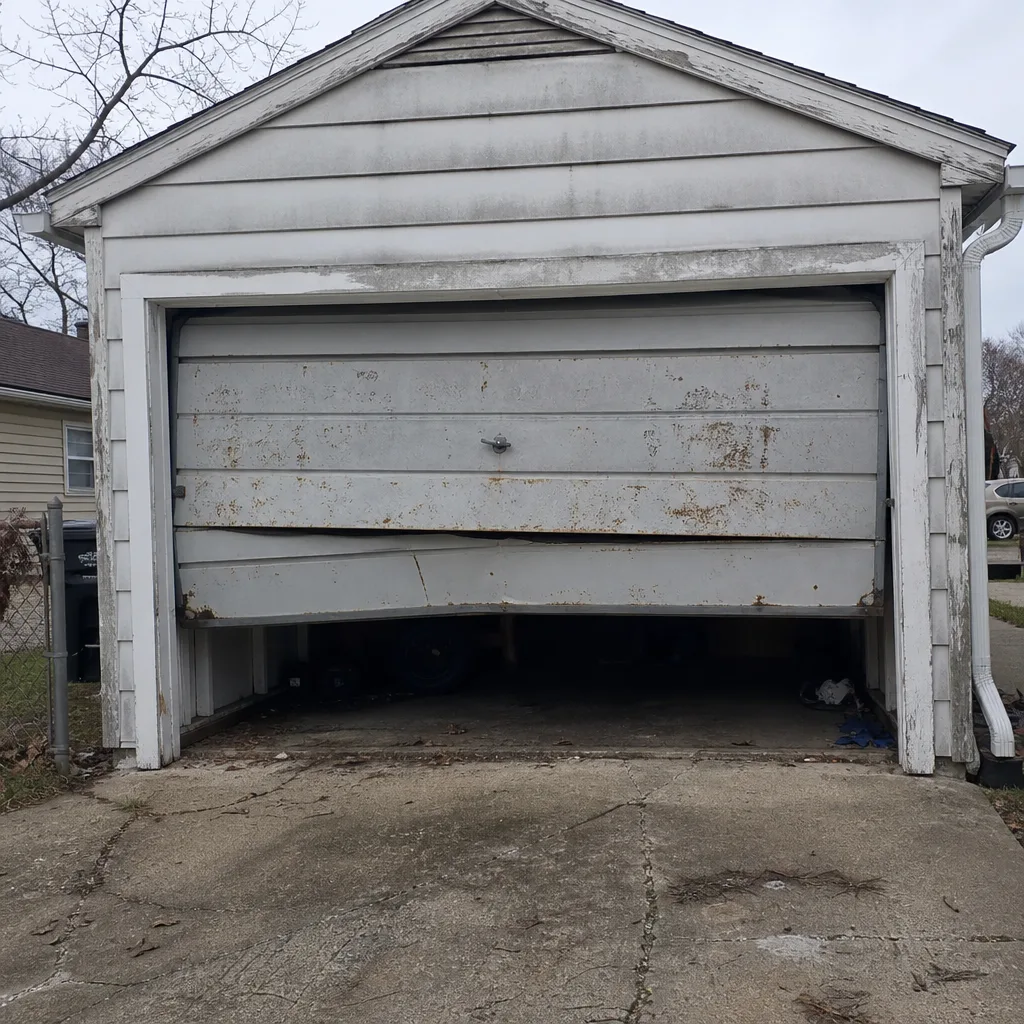 Before
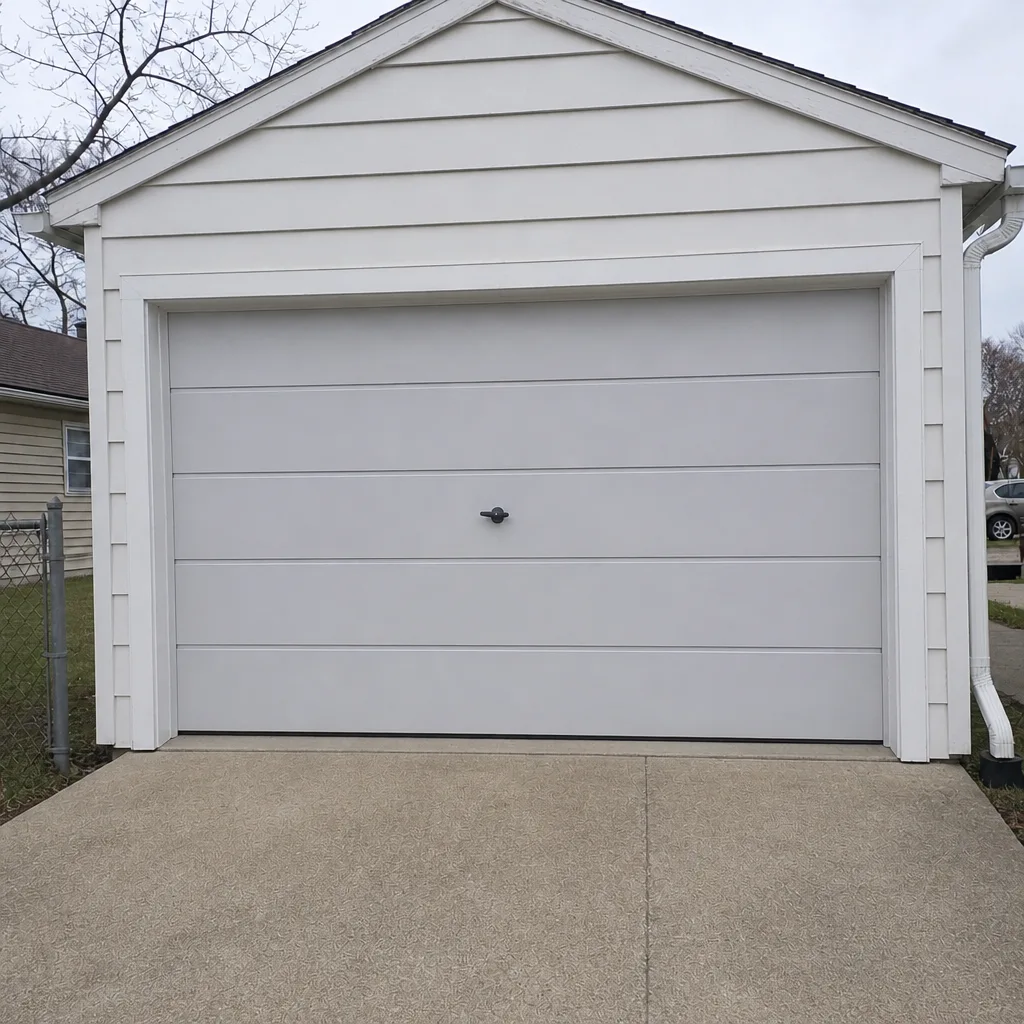 After
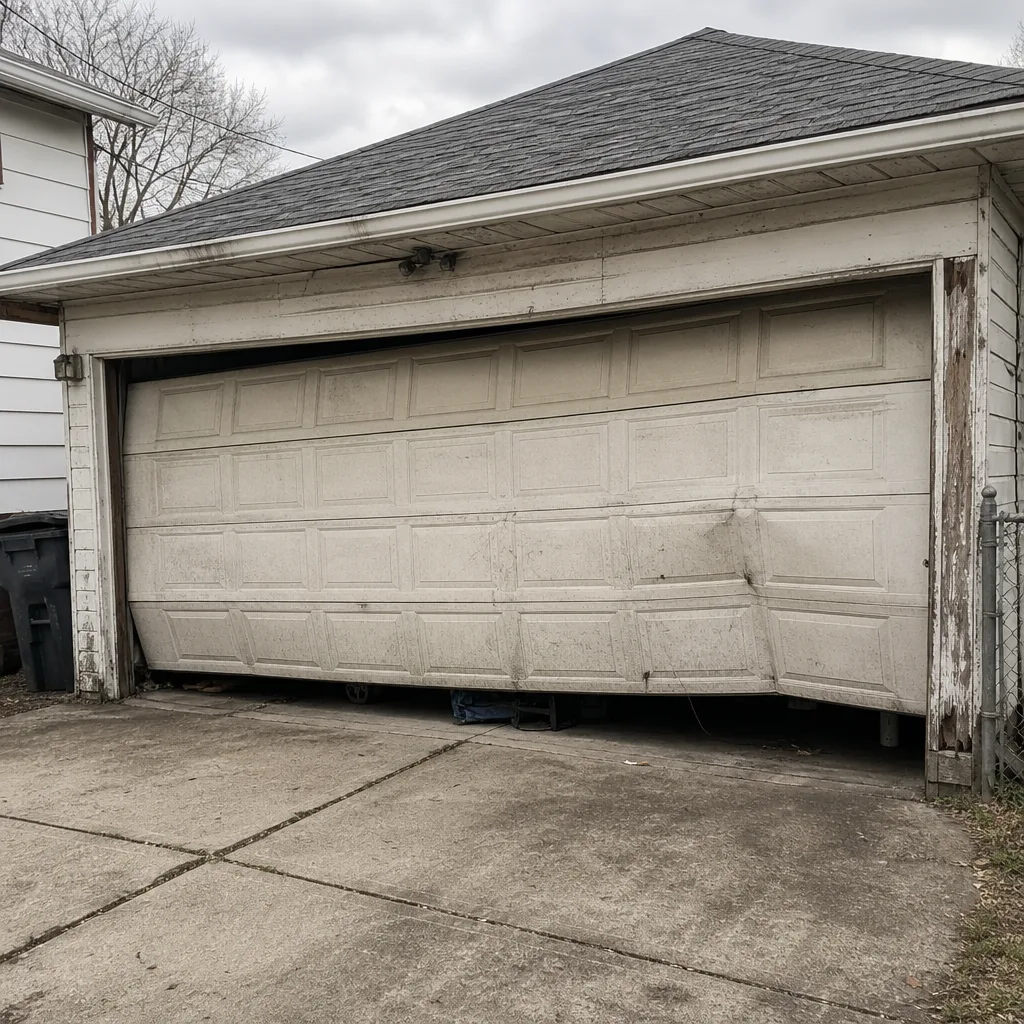 Before
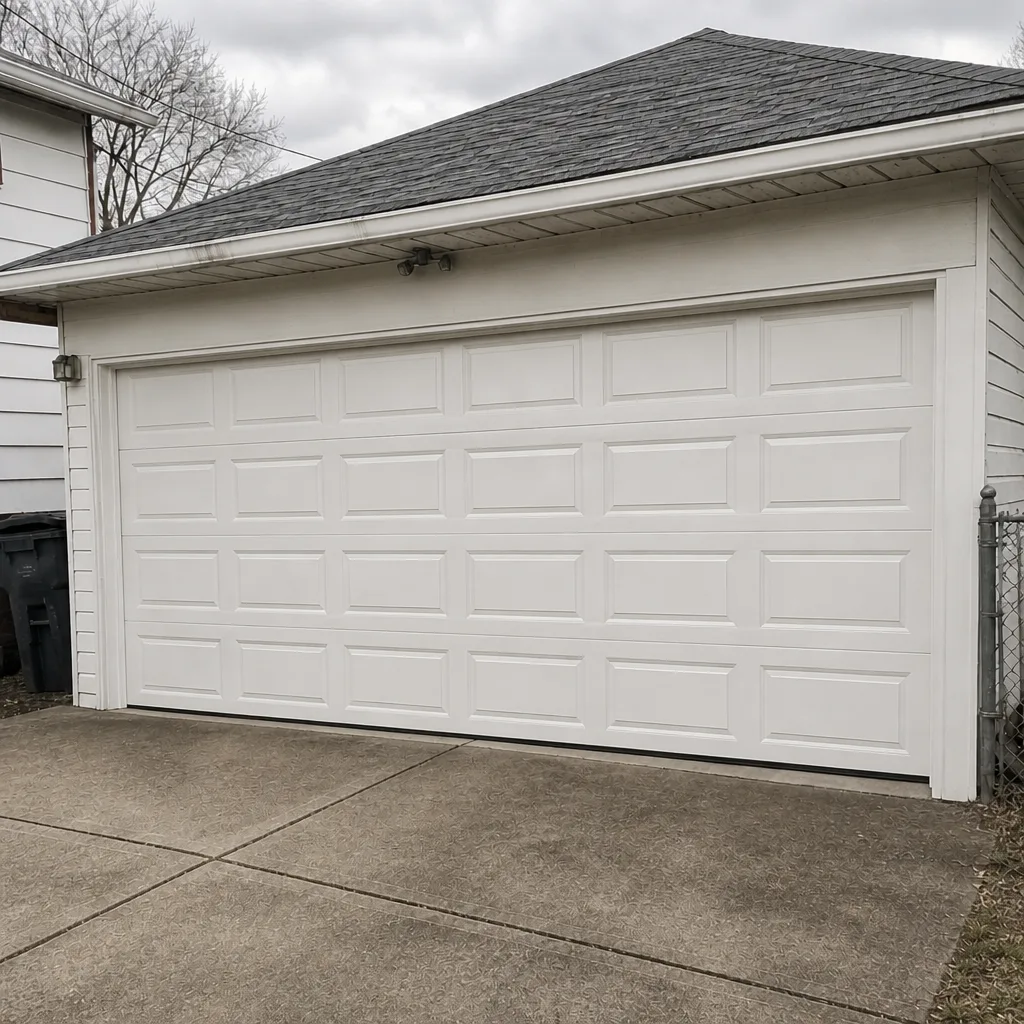 After
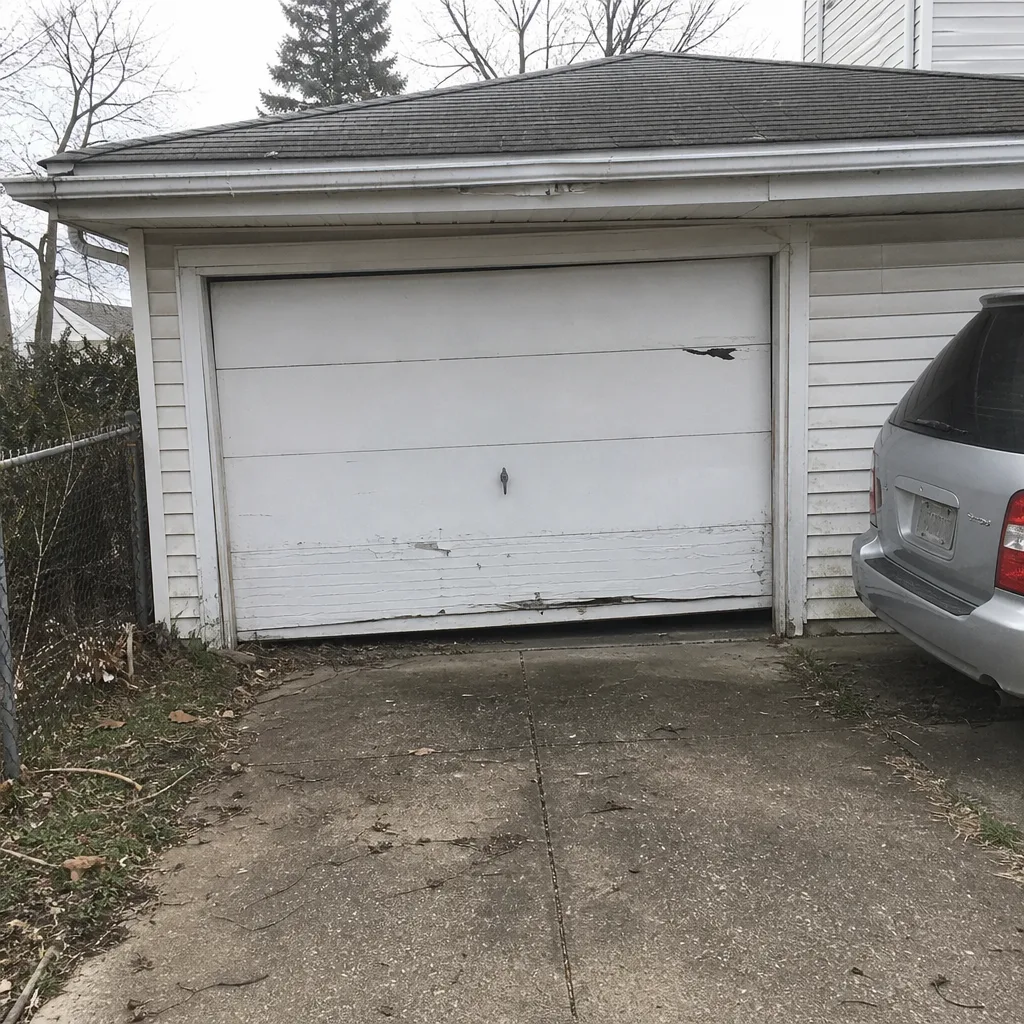 Before
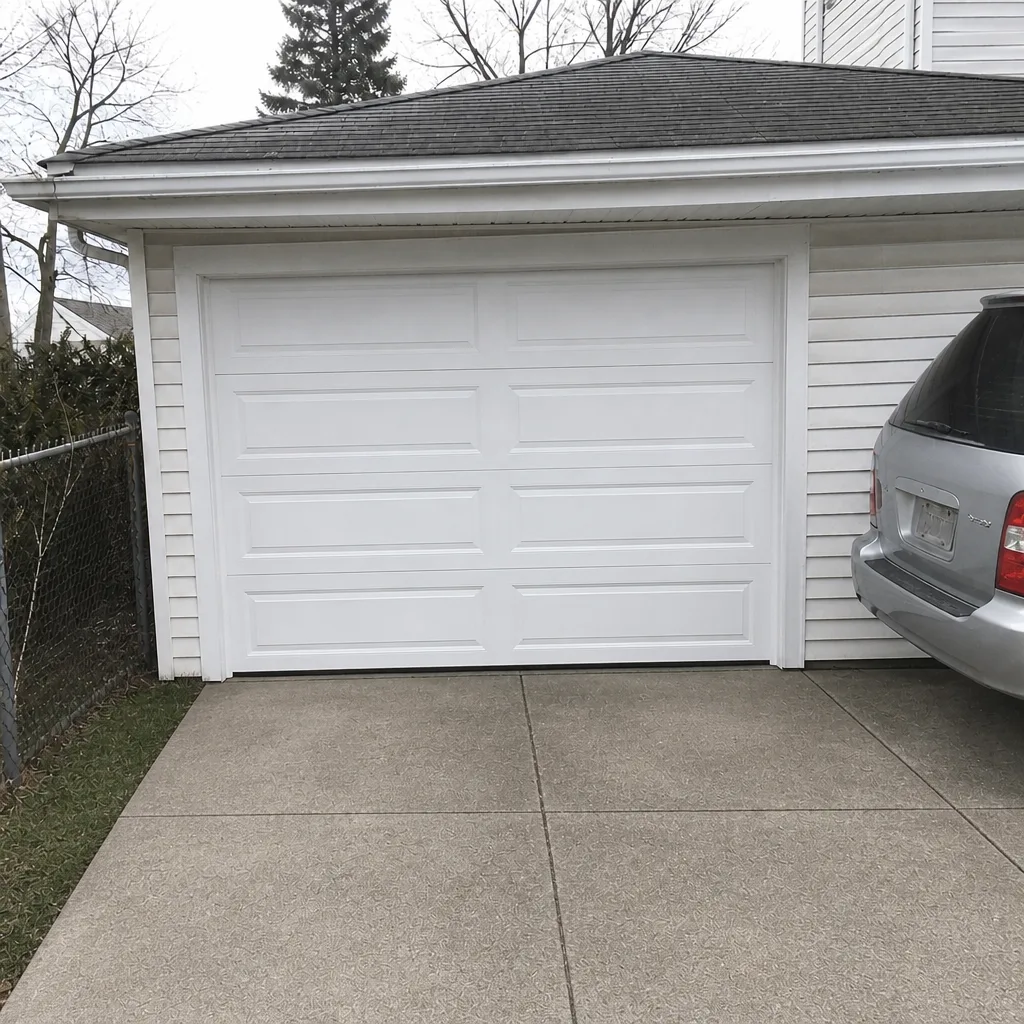 After