Last updated November 20, 2026
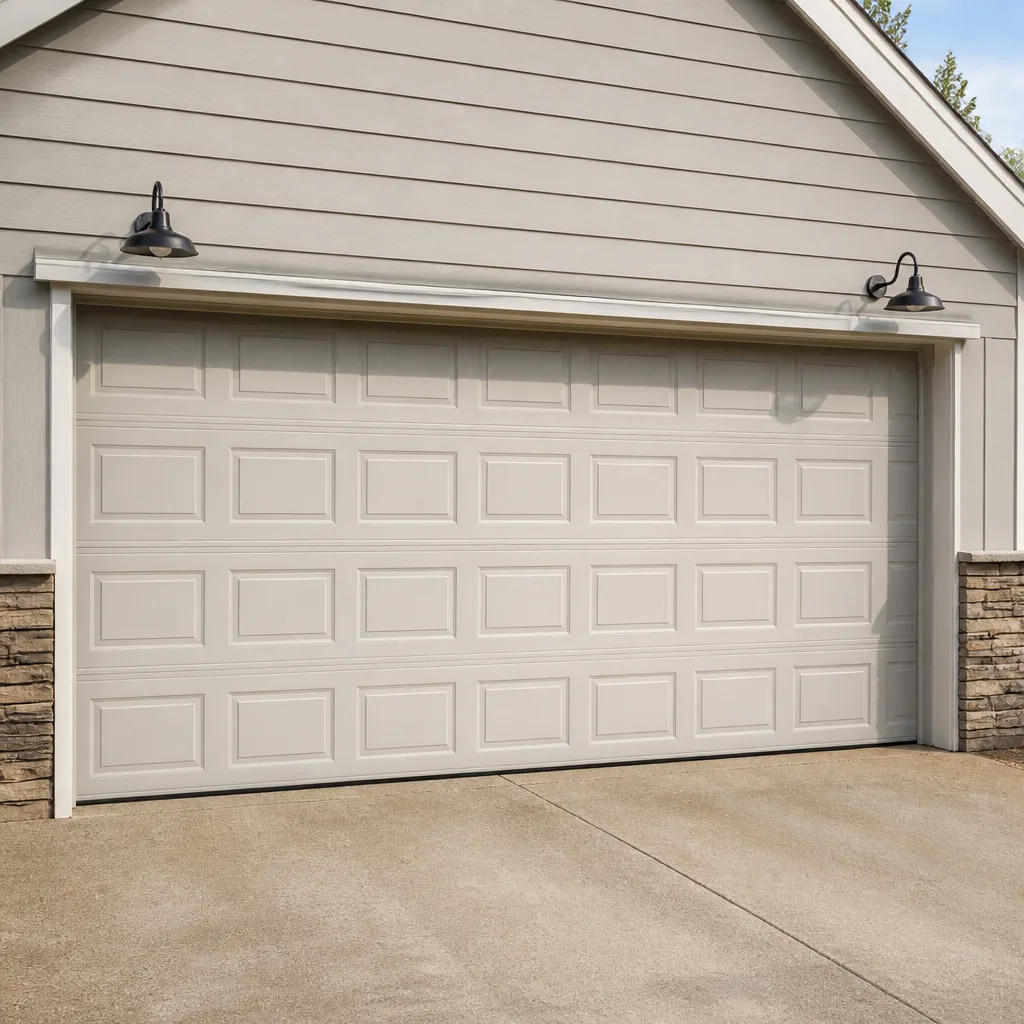 Raised-panel steel
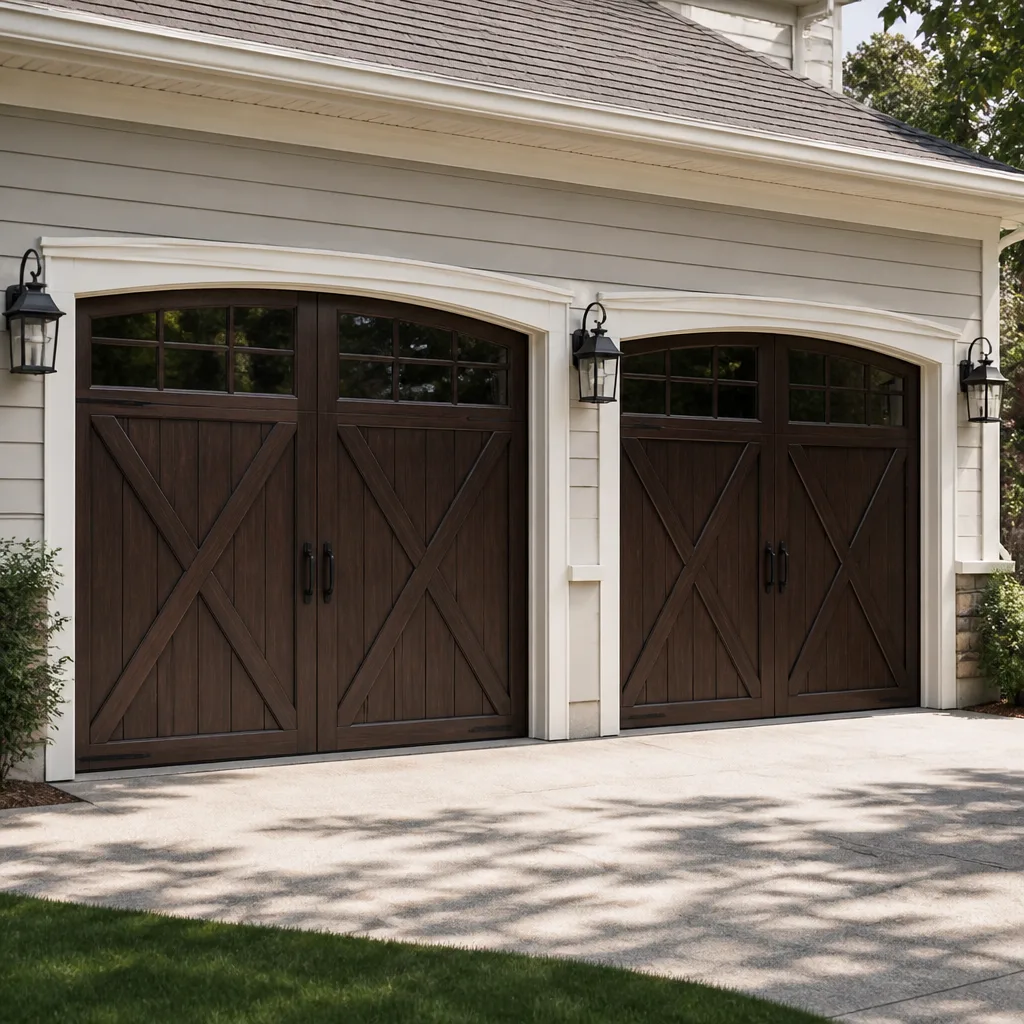 Carriage house
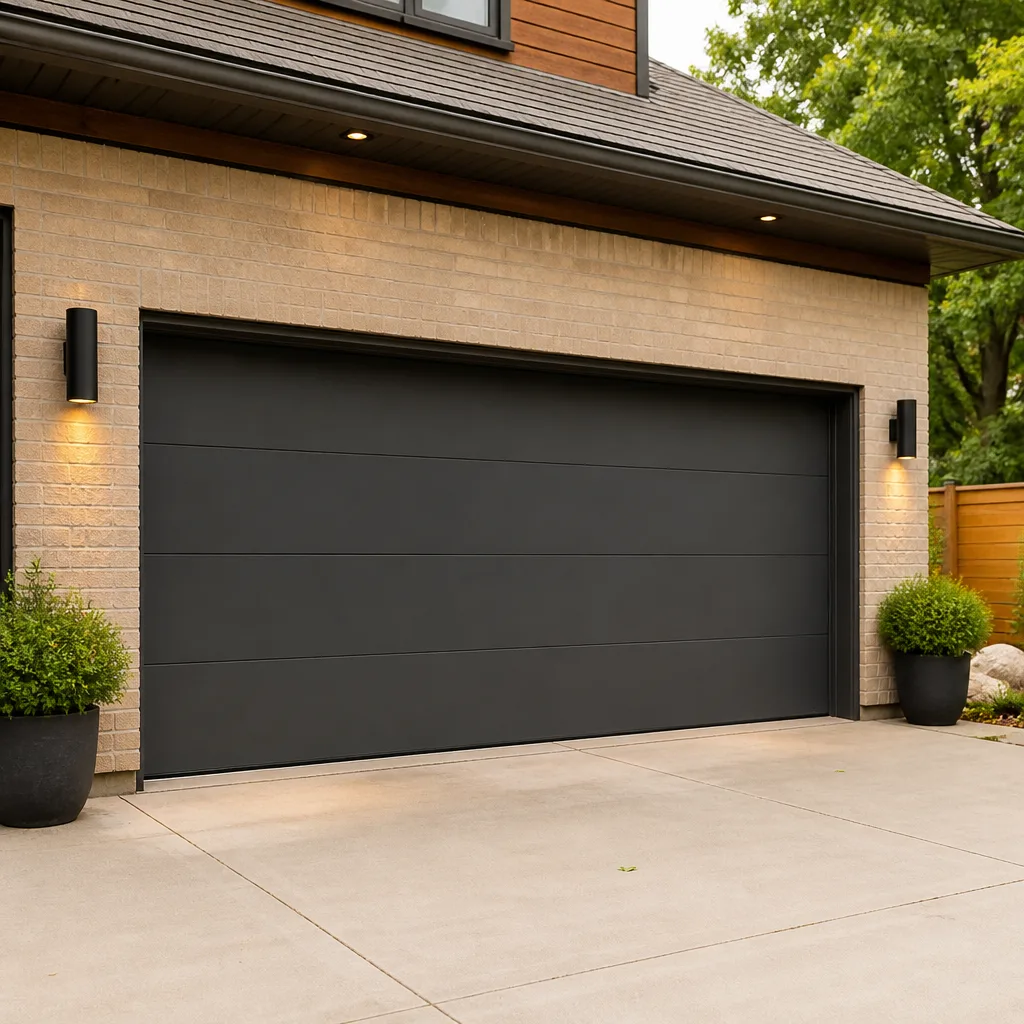 Modern flush
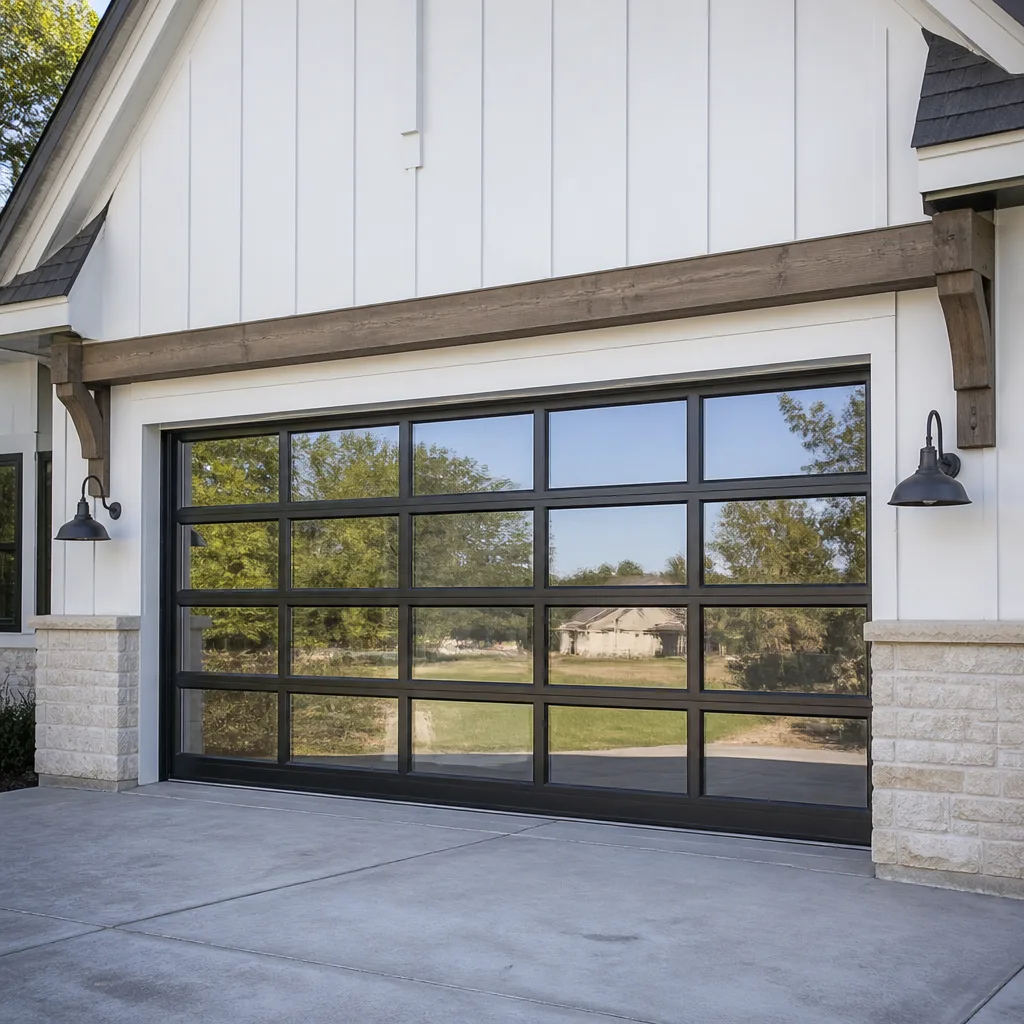 Full-view glass
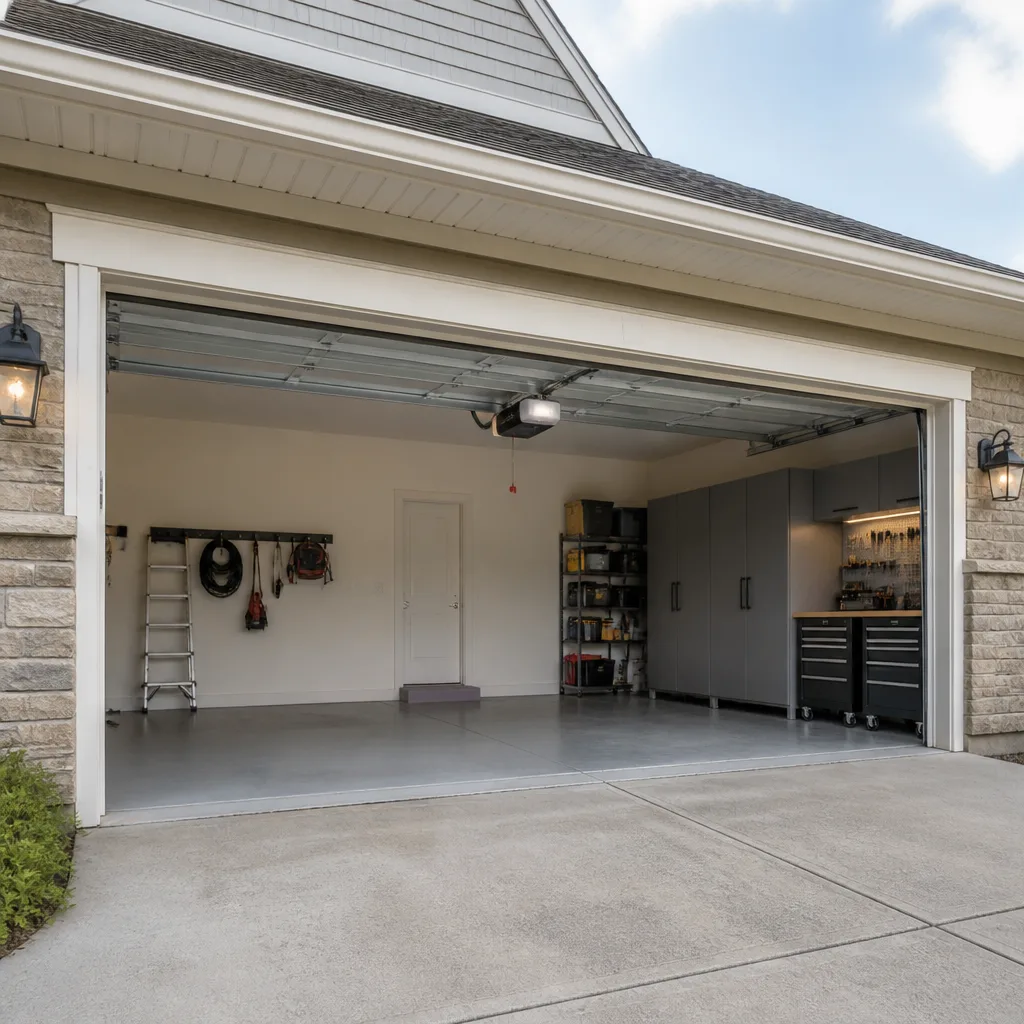 LiftMaster openers
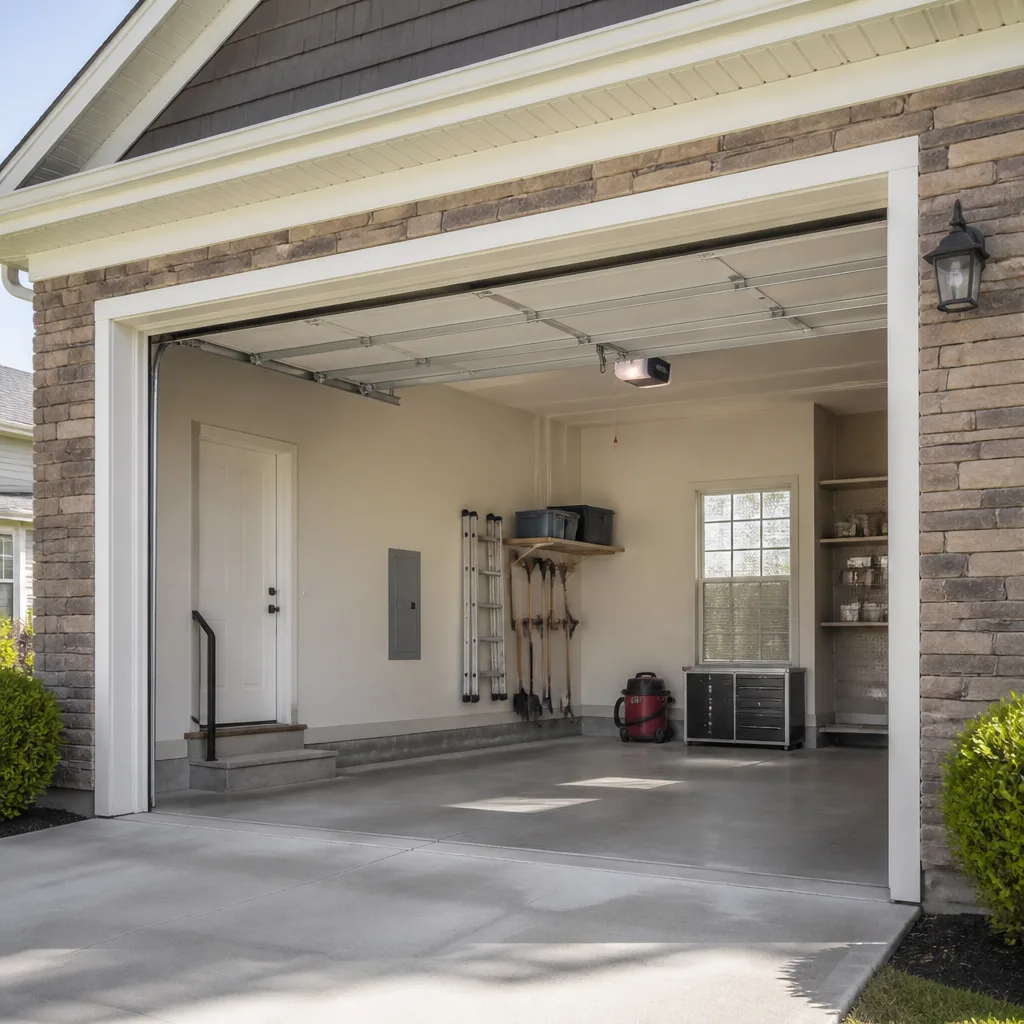 Chamberlain openers
Full 25-point door and opener safety check with every visit - springs, cables, rollers, tracks, and your LiftMaster or Chamberlain opener included
You get a price before we start. It does not change when the pro arrives.
Get your free estimateGarage Door Permits, Codes & Inspections in Slavic Village, OH: What You Need to Know
A straight door-for-door replacement almost never needs a permit in Ohio. That single fact causes more confusion than any other question we field, because the moment the work changes shape – a wider opening, a new header, a fresh circuit run out to the opener on a detached garage – you’re in different territory entirely. And “I didn’t know” doesn’t fix a failed inspection, a flagged line in a buyer’s report, or a claim that gets questioned years down the road. This guide walks through what actually triggers a permit for garage door work in Slavic Village, who issues it, what an inspector looks at, and how to make sure a new installation passes the first time.
Quick Answer
In Slavic Village and the rest of Ohio, a like-for-like garage door replacement on an existing opening normally doesn’t require a building permit. You do need one when the work changes the structure or adds new electrical: widening or raising the opening, modifying or replacing the header, altering framing, or installing a new opener circuit on an unpowered detached garage. The City of Cleveland’s building department issues permits for Slavic Village properties, not a separate village office, and the inspection focuses on structural integrity, anchoring, fire separation between an attached garage and the living space, and the safety features on the opener.
Styles & brands we work with
- Raised-panel steel
- Carriage house
- Modern flush
- Full-view glass
- LiftMaster openers
- Chamberlain openers
Table of Contents
- What Ohio Residential Code Actually Requires for Garage Door Work
- Who Issues the Permit for a Slavic Village Garage Door Project?
- The Four Triggers That Turn a Door Swap Into a Permitted Job
- Openers, Circuits, and the Electrical Permit Nobody Expects
- What an Inspector Checks During a Garage Door Inspection
- Fire-Rated Doors Between an Attached Garage and Living Space
- What Unpermitted Work Costs You at a Home Sale
- How to Pass Inspection the First Time
What Ohio Residential Code Actually Requires for Garage Door Work
Ohio’s residential code is adopted at the state level and then administered locally, which means the rulebook is consistent but the enforcement office is not. For garage door work specifically, the code separates two things that homeowners tend to blur together: the door itself as a manufactured product, and the opening it hangs in as part of the building’s structure.
Swapping a door and its track and springs into an existing, unchanged opening is treated as a repair or replacement, not construction. There’s no new load path, no new opening, no change to the envelope. That’s why most Slavic Village door replacements move forward without a permit.
The picture changes as soon as the opening changes. The header above a garage door carries real load, and in Slavic Village’s older housing stock – much of it built in the early-to-mid twentieth century, with additions and enclosed porches layered on over the decades – that framing has sometimes been modified before. Cutting into it without an inspection is where projects go sideways.
What the code cares about, in plain terms:
- Structural integrity of the opening. The header must be sized and supported for the span it carries, and any change to the opening width or height is a structural change.
- Wind and attachment. Doors and their tracks have to be anchored to framing that can take the load, not to siding or trim.
- Safety. An automatic opener must have the entrapment protection features required when it was manufactured, and a door must not be left in a condition where it can free-fall.
- Fire separation. Where a garage is attached to a house, the wall and door between them are part of the fire barrier, and that’s a separate section of code entirely.
Because the code is administered by the local building department, the practical answer to “do I need a permit?” always comes back to one call: your city’s building department. Ask them about your specific address and scope before ordering a door, not after.
Who Issues the Permit for a Slavic Village Garage Door Project?
Slavic Village is a neighborhood of Cleveland, so permits for properties here come from the City of Cleveland’s building department – there’s no separate Slavic Village permitting authority. That matters because a lot of the permit advice floating around online references suburban Ohio jurisdictions with their own fee schedules, their own inspection timelines, and their own rules about what counts as a minor repair. None of that applies on this side of the city.
Here’s how the process usually runs for a Slavic Village project that does need a permit:
- Confirm the scope with the building department. Describe the work in plain terms – “replace a nine-foot door with a nine-foot door” versus “widen the opening by two feet and replace the header.” Those two sentences lead to different answers.
- Submit the application. Small residential alterations typically need a short description of the work and, where structure is involved, some indication of how the header or framing will be handled.
- Pay the fee and get the permit issued before work begins. Permit fees are set by the city and scale with project valuation; the department can tell you the current figure for your scope.
- Do the work, then call for inspection. The inspection is scheduled separately from the permit, and it has to happen before the job is closed out.
One thing worth knowing about Slavic Village specifically: the neighborhood has a high proportion of older homes, many with detached garages set back off alleys. Detached garages are a simpler permitting picture on the fire-separation side, but they’re the most common source of the electrical permit question, which we’ll get to shortly. We work on garage door installation across Slavic Village and the surrounding Cleveland neighborhoods, and the addresses we see range from fully original 1920s garages to recently rebuilt ones. The permit question is rarely the same twice, which is why we ask about the structure before we quote the door.
The Four Triggers That Turn a Door Swap Into a Permitted Job
If you want a fast rule, it’s this: anything that changes the building rather than the door is likely to need a permit. In our experience across Slavic Village and the east side of Cleveland, nearly every permitted garage door project falls into one of four categories.
- A larger opening. Going from a single to a double door, or raising the headroom for a taller door, means cutting the header and reframing. That’s structural work and it needs a permit and an inspection.
- A new or modified header. Sometimes the header isn’t being changed to fit a bigger door – it’s rotted, sagging, or undersized from a previous modification, and it has to be replaced to carry the door safely. Replacing structural framing requires a permit even though the door size doesn’t change.
- New electrical for an opener. A detached garage with no power, or an attached garage where the opener needs a dedicated circuit, means running new wiring. Electrical work is permitted separately from the structural side.
- Framing changes of any kind at the opening. Moving a jamb, sistering studs, adding blocking – if the framing at the opening is being altered rather than reused, treat it as a permitted job.
What typically does not trigger a permit: a same-size replacement door, new springs, new cables, new rollers, new tracks in the existing opening, or an opener swap on an existing circuit. Spring and cable work is repair, not construction – though it’s also the single most dangerous job on a garage door, which is a separate reason to leave it alone. If you’re replacing a worn Amarr or Wayne Dalton door with a new one of the same dimensions, that’s normally a straight replacement.
We’ve also learned to flag one Slavic Village pattern: garages that were converted, enclosed, or added onto decades ago without a clear paper trail. If the opening you have now doesn’t match what the building department has on file, the permit conversation gets more involved. Better to find that out at the estimate than at the inspection.
Openers, Circuits, and the Electrical Permit Nobody Expects
The electrical side of a garage door project catches more homeowners off guard than any other part of the code. Adding an opener to a garage that never had power means running a circuit – and that work is permitted and inspected on its own track, separate from any structural permit.
In Slavic Village, the classic case is a detached garage at the back of a lot with no service to it at all. Homeowners picture the job as “install an opener,” and it turns into “bring power to the building, install a receptacle, then install the opener.” Each of those steps has its own requirements, and the electrical inspection comes before the opener is put into service.
Even on an attached garage with existing power, a few details matter:
- Dedicated circuit. A modern opener draws a modest but real load, and sharing a circuit with a freezer or a workshop outlet is a common cause of nuisance trips. The electrical inspector will look at how the circuit is protected and run.
- Receptacle location. The opener needs a properly located, properly protected outlet – not an extension cord stapled to a joist, which is one of the more common things flagged during inspection.
- Bonding and grounding. Metal garage framing, if present, has requirements of its own. Older Slavic Village garages with metal components sometimes turn up grounding issues during the electrical inspection that have nothing to do with the door.
- Safety features on the opener itself. Modern units from LiftMaster, Chamberlain, Genie and Craftsman all include entrapment protection – the photo-eye system and, on many models, a pressure sensor in the operator. The inspection confirms these are installed and working, not just present in the box.
If your opener is failing and the wiring is already in place, that’s a repair, not a permitted installation. We handle garage door opener repair for every major brand, and we can tell you on the first visit whether the problem is the unit or the circuit feeding it.
What an Inspector Checks During a Garage Door Inspection
The inspection isn’t a door-by-door quality review. It’s a check that the structure and the safety systems meet code. Knowing exactly what gets looked at is the surest way to pass on the first visit and avoid a reinspection fee and a scheduling delay.
Here’s what inspectors typically concentrate on for a permitted garage door installation:
- The header and framing. Sized correctly for the opening, properly supported at both ends, and anchored. If a new header went in, this is the primary focus of the visit.
- Track attachment and anchoring. Tracks anchored into framing, not into trim or siding. The door’s weight and the force of the opener both transfer into whatever the tracks are fastened to.
- Fire separation. On an attached garage, the wall between garage and house and the door in that wall are checked against the fire-barrier requirements, including any penetrations that were made during the project.
- Opener safety features. Photo-eye alignment and function, and the reversal test on the operator’s pressure sensing. The inspector will typically test the door’s response to an obstruction.
- Electrical. If a circuit was added, the wiring method, protection and grounding are reviewed before the opener is considered complete.
- Balance and operation. A door that won’t stay at half height or that slams down is a safety problem, and inspectors notice. A properly balanced door needs minimal force to move and shouldn’t free-fall when released.
What the inspector is not doing is grading the brand or the finish. A Clopay, Raynor, Amarr or Wayne Dalton door all pass on the same structural and safety grounds. The visit is about how the door is hung and how the building carries it – not which manufacturer’s name is on the panel.
We schedule our installs so there’s time to correct anything minor before the inspection window closes. It’s a lot cheaper to adjust a track the same week than to book a second inspection.
Fire-Rated Doors Between an Attached Garage and Living Space
This is the code section homeowners most often don’t know exists, and it’s the one with the most direct safety consequences. Where a garage is attached to a house, the wall and the door that separate them are part of the home’s fire barrier, and Ohio’s residential code sets specific requirements for that assembly.
The idea behind it is simple. A garage is the most likely place in a house for a fire to start – stored chemicals, a running vehicle, a charger left plugged in – and the door between garage and living space is the last barrier between that fire and the bedrooms. The requirements exist so that barrier holds long enough for people to get out.
What this means in practice for a Slavic Village project:
- A door between an attached garage and the house must meet the fire rating the code requires for that separation. A standard hollow-core interior door doesn’t satisfy it.
- The door has to self-close and latch. A fire-rated door propped open with a brick isn’t a fire barrier, and inspectors check the closing hardware.
- Penetrations matter. If a project ran a new wire or a duct through that wall, the barrier has to be restored around it.
- Garage doors themselves are a different question. The overhead door on the vehicle opening isn’t the fire door in this section of code – but the labeling and construction of a door on an attached garage can matter for other reasons, and it’s worth confirming with the building department if your garage shares a wall with the house.
We’re often asked whether a new overhead door needs to be fire-rated. For the vehicle opening, that’s not the requirement most homeowners are thinking of. It’s the person door between garage and living space that carries the fire rating, and if yours is a plain interior door, that’s worth raising with the building department on its own – independently of any door replacement project.
What Unpermitted Work Costs You at a Home Sale
Unpermitted work doesn’t cost you anything the day it’s done. It costs you at the worst possible time – during a sale, a refinance, or an insurance claim – when someone with an incentive to look closely starts asking for paperwork.
Here’s how it typically surfaces. A buyer’s home inspector walks the garage, notes a widened opening or a new header with no visible permit record, and flags it in the report as unpermitted structural modification. The buyer’s lender may require the work to be permitted retroactively or corrected before closing. Retroactive permitting means an inspection of work that’s already finished – and if the framing isn’t visible or documented, that inspection can be much harder than the original one would have been.
The insurance side is less discussed and matters just as much. If a garage door failure or a fire in the garage becomes a claim, the adjuster will look at whether the work that contributed was permitted and inspected. An unpermitted structural change gives an insurer a reason to question coverage on the related loss. We can work with your insurer through that process, but the cleanest answer is a permit and an inspection record from the start.
Title is the third place it shows up. In Cleveland, permit records are searchable, and a diligent title agent or buyer’s attorney will pull them for a Slavic Village property. Missing permits on a garage conversion or a widened opening can become a negotiating item or an escrow hold, often at a cost that dwarfs the original permit fee.
The fix isn’t complicated: if your project triggers a permit, get one. If you’re buying a Slavic Village home with a modified garage opening, ask for the permit history before you close.
How to Pass Inspection the First Time
Most failed garage door inspections fail on small, correctable things rather than structural problems. Avoiding them is mostly a matter of sequence – doing each step in the right order and confirming it before moving on.
Here’s the order we follow on a permitted job:
- Pull the permit before any material is delivered. Work started before a permit is issued is unpermitted work, even if the inspection would have passed. Confirm the permit number before the install day.
- Verify the header and framing against the approved scope. If the plan called for a specific header size or added support, confirm it’s in place and visible before the door goes up. Framing hidden behind finished surfaces can’t be inspected.
- Anchor tracks into framing, not trim. Every track fastener should land in structural wood or an approved anchor. This is checked and it’s cheap to get right.
- Bring the electrical up to the point of inspection. Circuit run, receptacle installed and protected, grounding in place. The electrical inspection is its own visit on a new circuit.
- Balance the door and confirm the safety systems. The door should hold at mid-height, and the opener’s photo-eye and reversal features should work. Test both before you call.
- Keep the paperwork. Save the permit number, the inspection sign-off, and the door’s documentation. That’s the record you’ll want years later at a sale or a claim.
One Slavic Village-specific note: older garages sometimes have the opener mounted to framing that’s been modified since the original build. If the mounting point isn’t solid, the opener can pull loose over time – and that’s something an inspector will see immediately. We check the mounting before we hang a new unit, which is part of why our installs hold up in the freeze-thaw swings this part of Ohio gets every winter.
Common Mistakes to Avoid
- Assuming any door replacement needs a permit. A same-size replacement usually doesn’t, and pulling an unnecessary permit costs time and money. It’s the structural and electrical changes that trigger the requirement.
- Assuming a wider opening doesn’t. Cutting the header to fit a bigger door without a permit is the most common and most expensive mistake we see on Slavic Village garages. It’s structural work and it needs an inspection.
- Forgetting the electrical permit on a detached garage. Running a new circuit to a garage that never had power is separately permitted. Skipping it can leave the opener in service on wiring that was never inspected.
- Propping the fire-rated door open. A self-closing fire door between an attached garage and living space has to latch on its own. Propping it defeats the purpose the code is protecting.
- Changing the project scope after the permit is issued. If the opening gets wider or the header changes once the job is underway, the permit has to be revised. Doing the extra work without updating it leaves the inspection with nothing to sign off on.
- Losing the sign-off. Keep the inspection record. It’s the document that answers the question at a sale, and reconstructing it later is far harder than filing it once.
- Treating a spring replacement as part of a permitted job. Springs, cables and rollers are repair, not construction, and don’t need a permit – but they’re the highest-risk work on the door and shouldn’t be a do-it-yourself project. We keep spring work as its own dedicated service for that reason.
See the difference
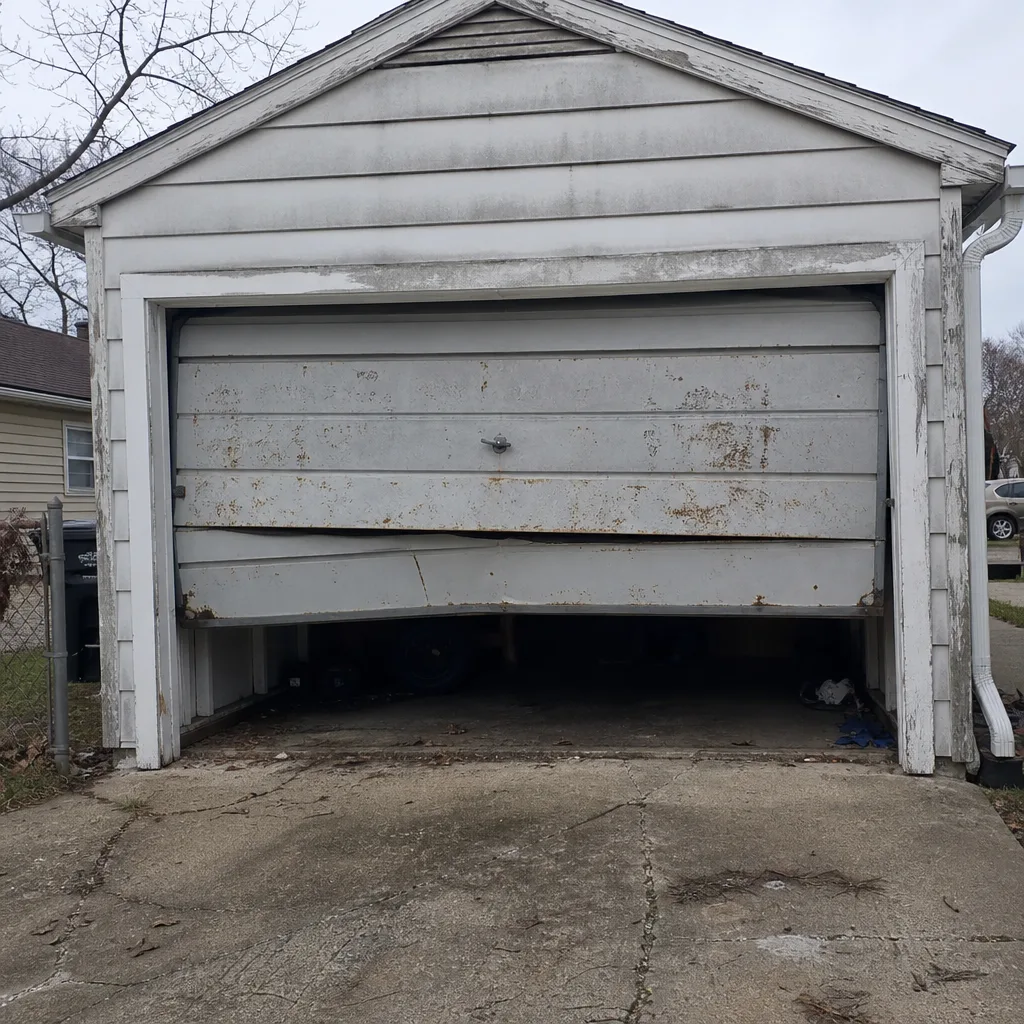 Before
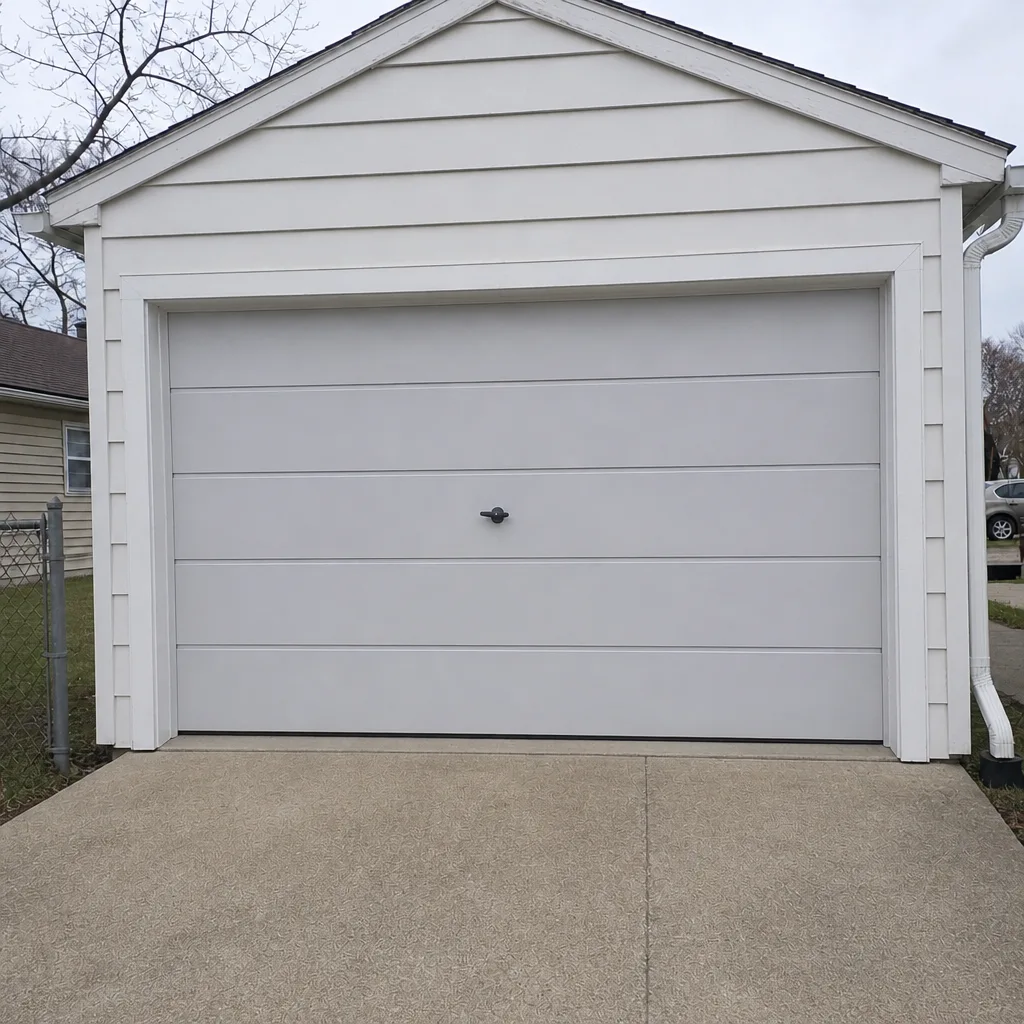 After
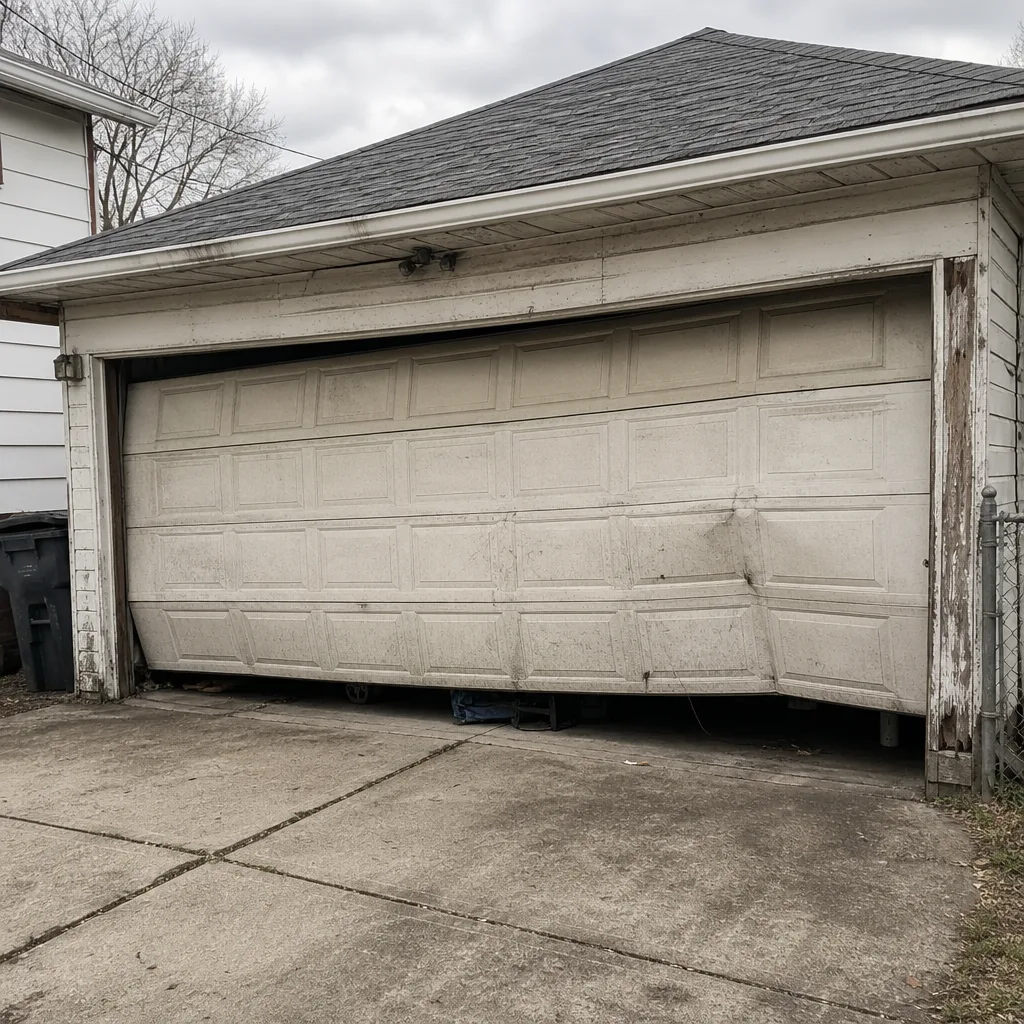 Before
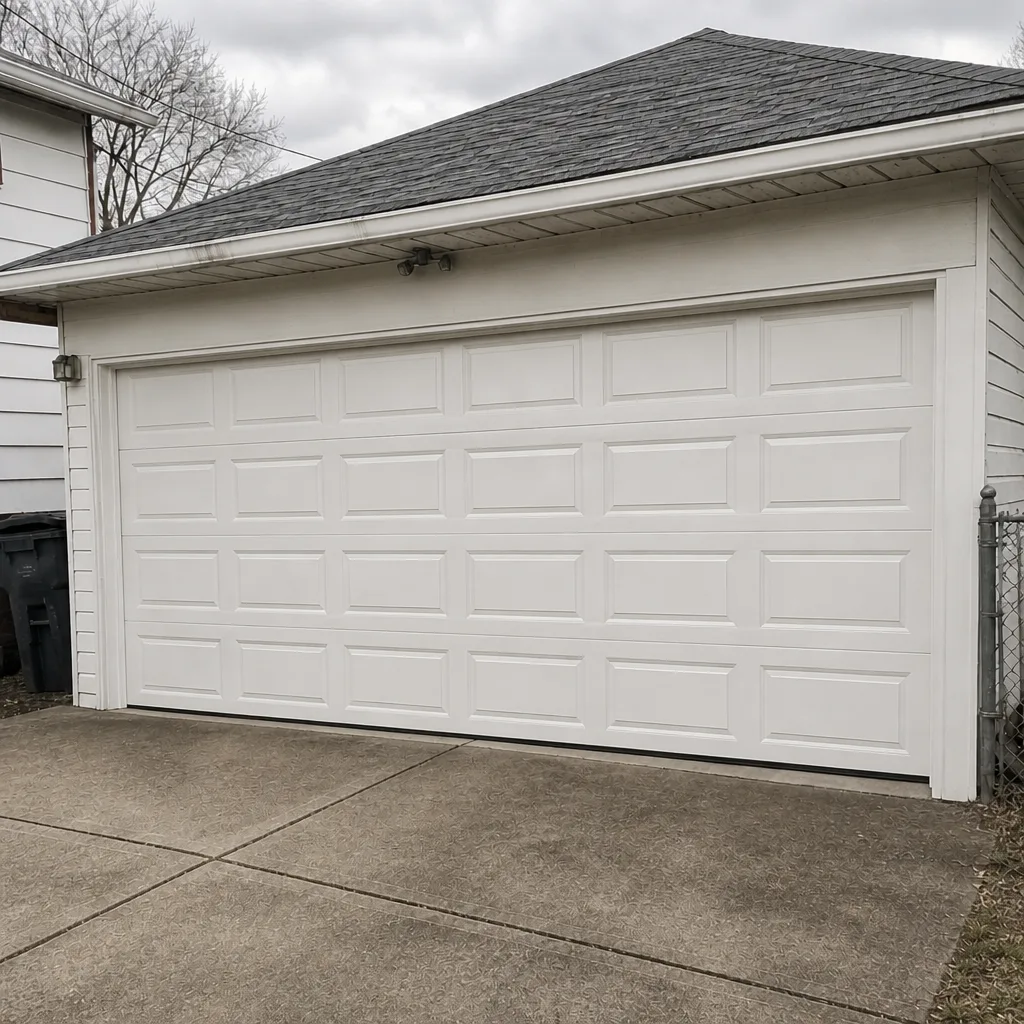 After
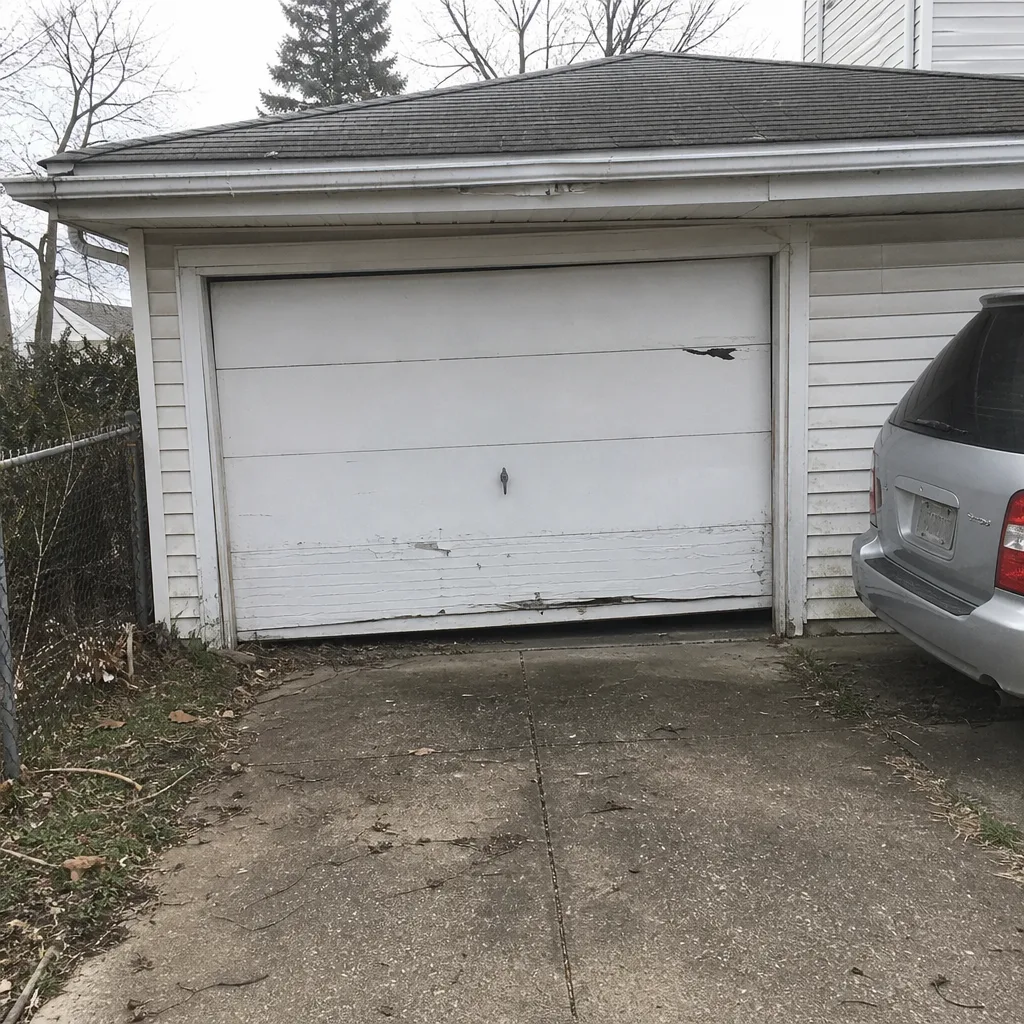 Before
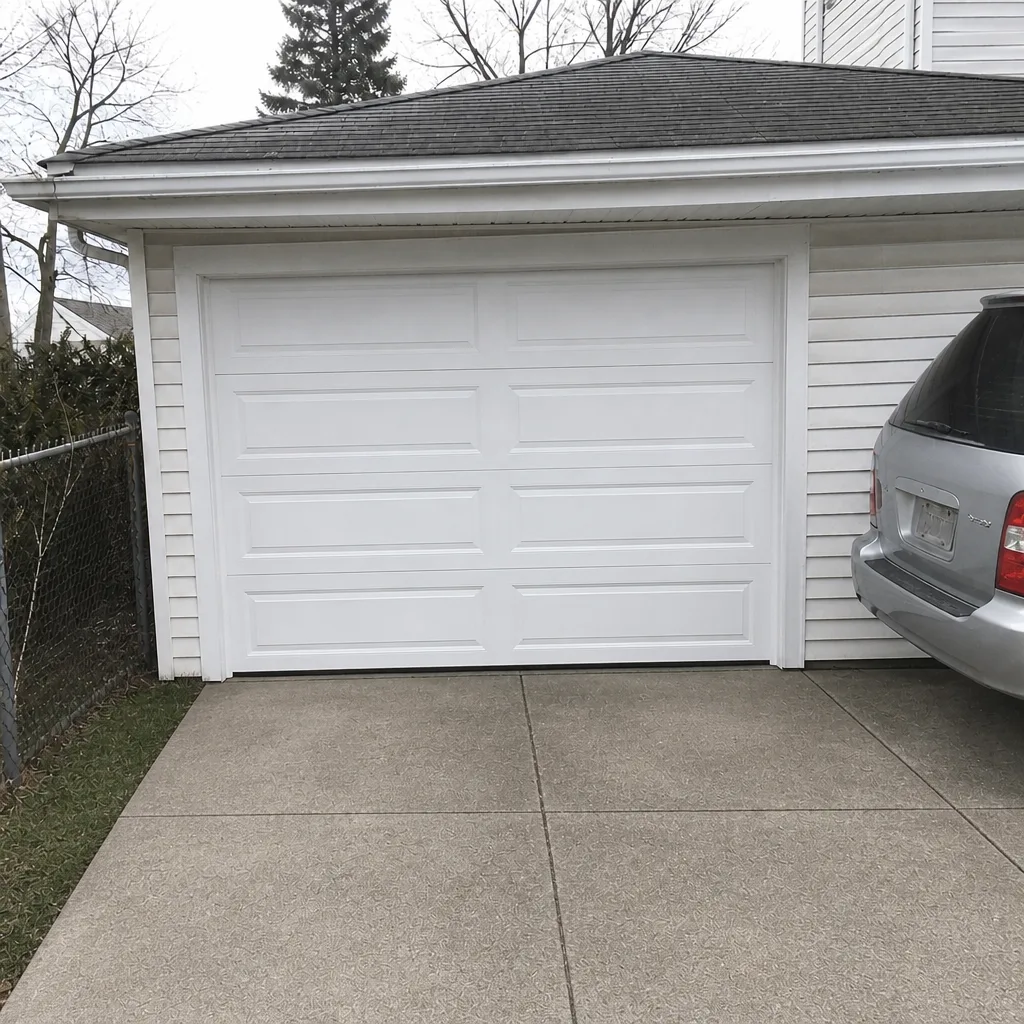 After
When to Call a Professional
Some of this is paperwork. Some of it isn’t. If your project involves a wider opening, a sagging or modified header, or new electrical run to the garage, that’s structural and electrical work and it should be handled by someone who does it every day – and it should be inspected. If a spring has let go, a door is off its track, or an opener won’t respond, that’s repair work and it’s worth calling before someone gets hurt trying it alone. We work on Garage Door Repair Slavic Village and we can also help you understand what your scope involves before you commit to a permit application. Garage Door Repair Slavic Village offers free estimates in Slavic Village – call (855) 814-1061. We can get a spring repair done and the door garage door repair handled the same day in most cases, with a written price before anything starts.
Frequently Asked Questions
Usually not, as long as the new door goes into the same-sized opening and no structural or electrical work is involved. A like-for-like replacement of an existing door – new panels, track and springs in the existing opening – is treated as a repair under Ohio residential code. You do need a permit if the opening changes, the header is modified, framing is altered, or a new circuit is added for an opener. Call the City of Cleveland building department to confirm for your specific address, then call (855) 814-1061 for a free estimate on the door itself.
Four things trigger it: a larger opening, a new or modified header, any framing change at the opening, and new electrical for an opener. Each of those goes beyond replacing a component and becomes construction under Ohio residential code. If your project is one of those four, get the permit before work starts. Our technicians have up to 15 years of experience on these jobs and can tell you at the estimate which category your project falls into. Call (855) 814-1061 for a free estimate.
The City of Cleveland’s building department issues it, because Slavic Village is a Cleveland neighborhood rather than a separate municipality. There’s no separate Slavic Village permitting office, so ignore permit guidance written for the surrounding suburbs – their rules and fees don’t apply here. The department can tell you the current fee for your scope. Call (855) 814-1061 if you want us to look at the work before you apply.
It checks the header and framing, track anchoring, fire separation on an attached garage, the opener’s safety features, any new electrical, and that the door is balanced and won’t free-fall. It’s a review of structure and safety rather than a brand or quality check, so a Clopay, Amarr, Wayne Dalton or Raynor door all pass on the same grounds. If you want the door right before the inspection, call (855) 814-1061 for a free estimate.
Yes. A buyer’s inspector can flag an unpermitted structural change to the garage opening, and the buyer’s lender may require retroactive permitting or correction before closing. Insurance can also be affected if a related claim is questioned, and title searches in Cleveland will turn up missing permits on a modified opening. Retroactive inspections are harder than original ones because the framing may no longer be visible. Call (855) 814-1061 to get the work done with a clean record the first time.
Where the garage is attached to the living space, Ohio’s residential code does require that the wall and door separating them meet a fire rating, and the door has to self-close and latch on its own. That’s a different door from the overhead door on the vehicle opening – it’s the person door between garage and house. If yours is a standard interior door, raise it with the City of Cleveland building department. We don’t handle interior doors, but if the overhead door on that same garage needs work, call (855) 814-1061.
The Bottom Line
Most garage door replacements in Slavic Village don’t need a permit. The ones that do – wider openings, new headers, framing changes, and new electrical for an opener – are the ones where getting it wrong costs real money down the line. The City of Cleveland issues the permit, the inspection checks structure and safety rather than brand, and the fire separation between an attached garage and the living space is its own requirement that’s worth checking independently of any door project. If you’re unsure which category your job falls into, ask the building department first and then get a written estimate before anything is ordered. A permit application and a signed inspection record are the two documents that will save you a headache at a sale, a refinance, or a claim. And if a spring breaks or a door comes off track while you’re sorting all this out, we’re one call away.
Ready to sort out the door itself? Call (855) 814-1061 for a free estimate in Slavic Village. We work on the brand you already have – LiftMaster, Chamberlain, Genie, Clopay, Amarr, Wayne Dalton, Craftsman and Raynor – and we’ll tell you straight whether your project needs a permit and what the installation will take. Emergency or scheduled, we show up equipped, and the price is quoted and agreed before any work starts.
Written by the team at Garage Door Repair Slavic Village.