Last updated November 20, 2026
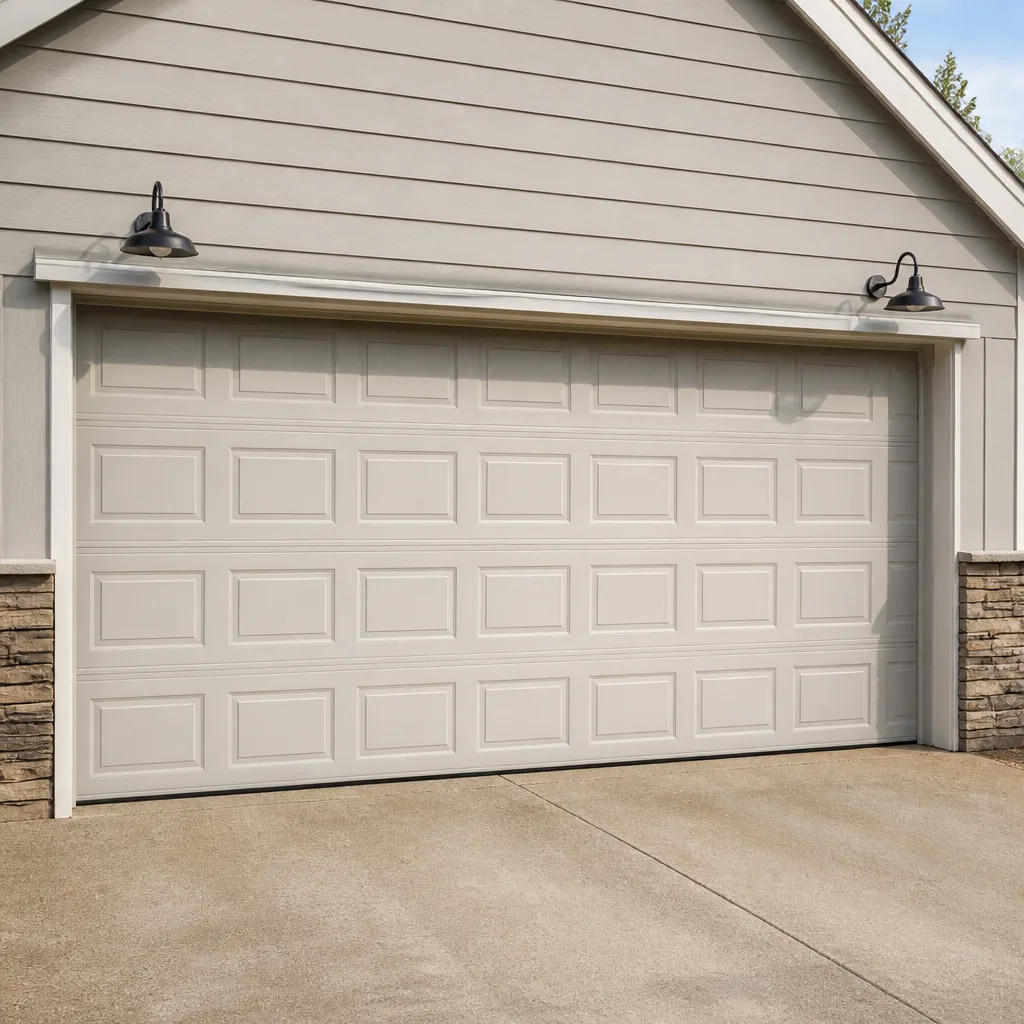 Raised-panel steel
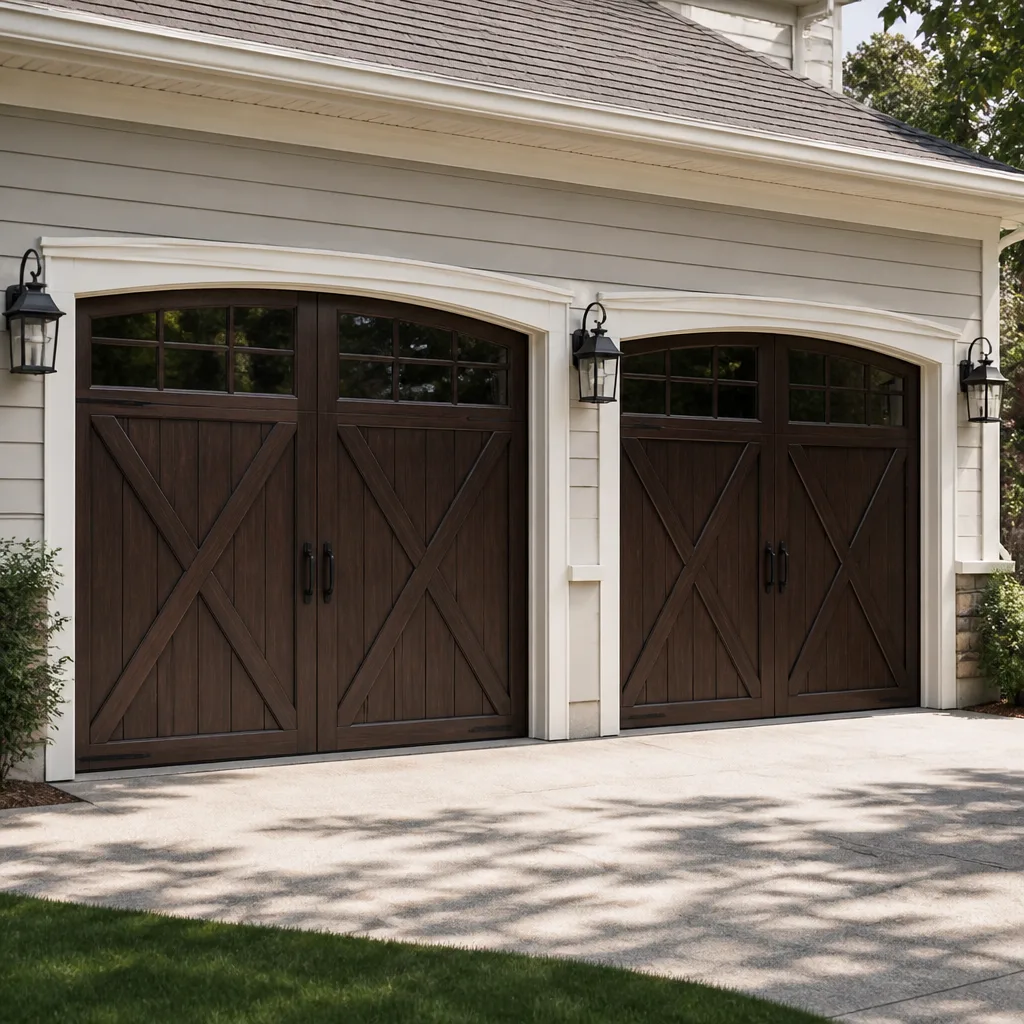 Carriage house
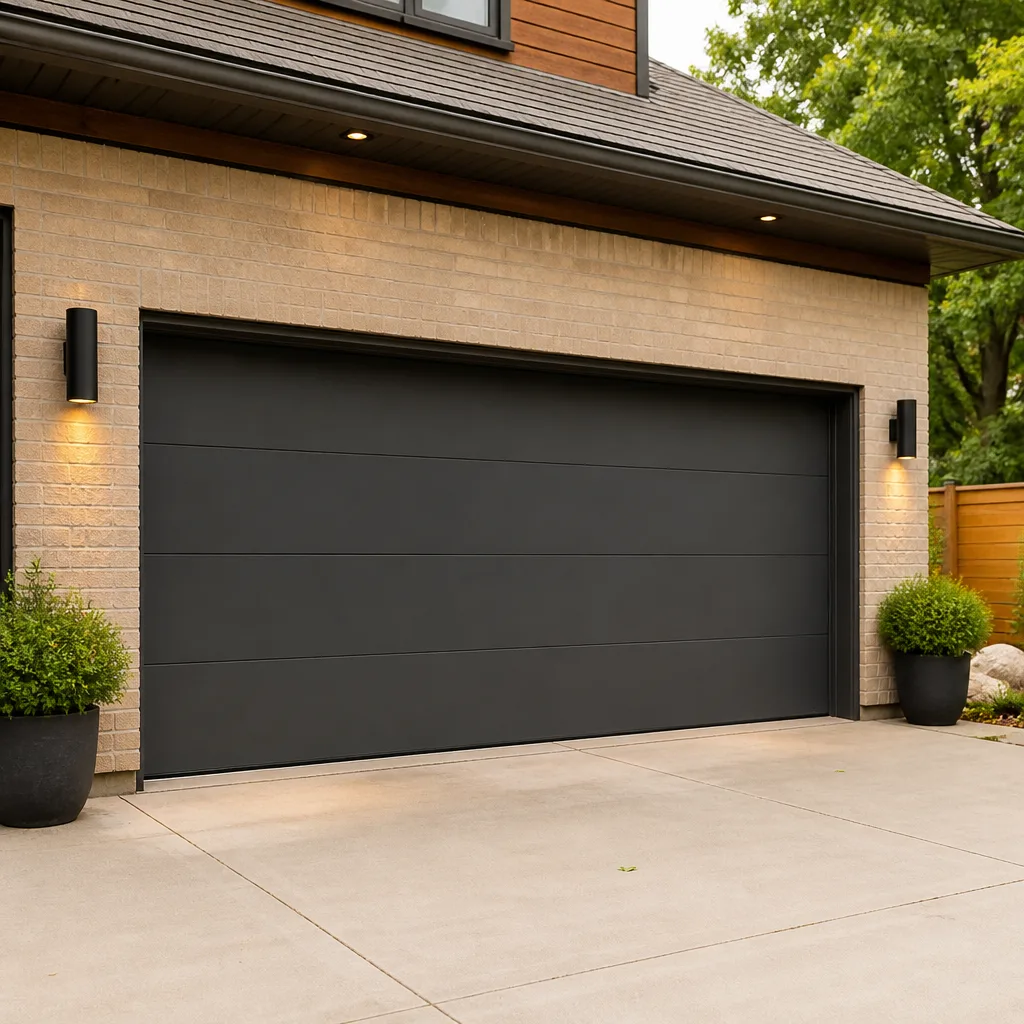 Modern flush
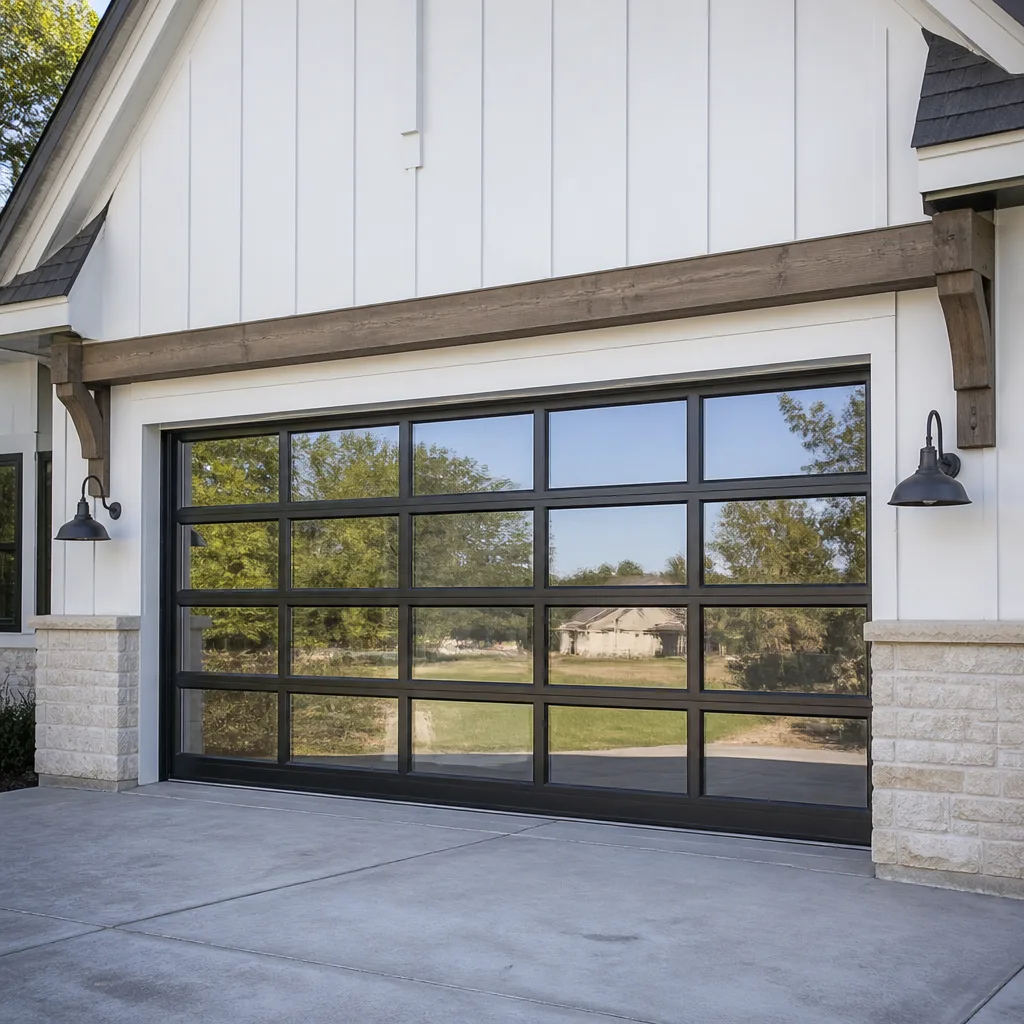 Full-view glass
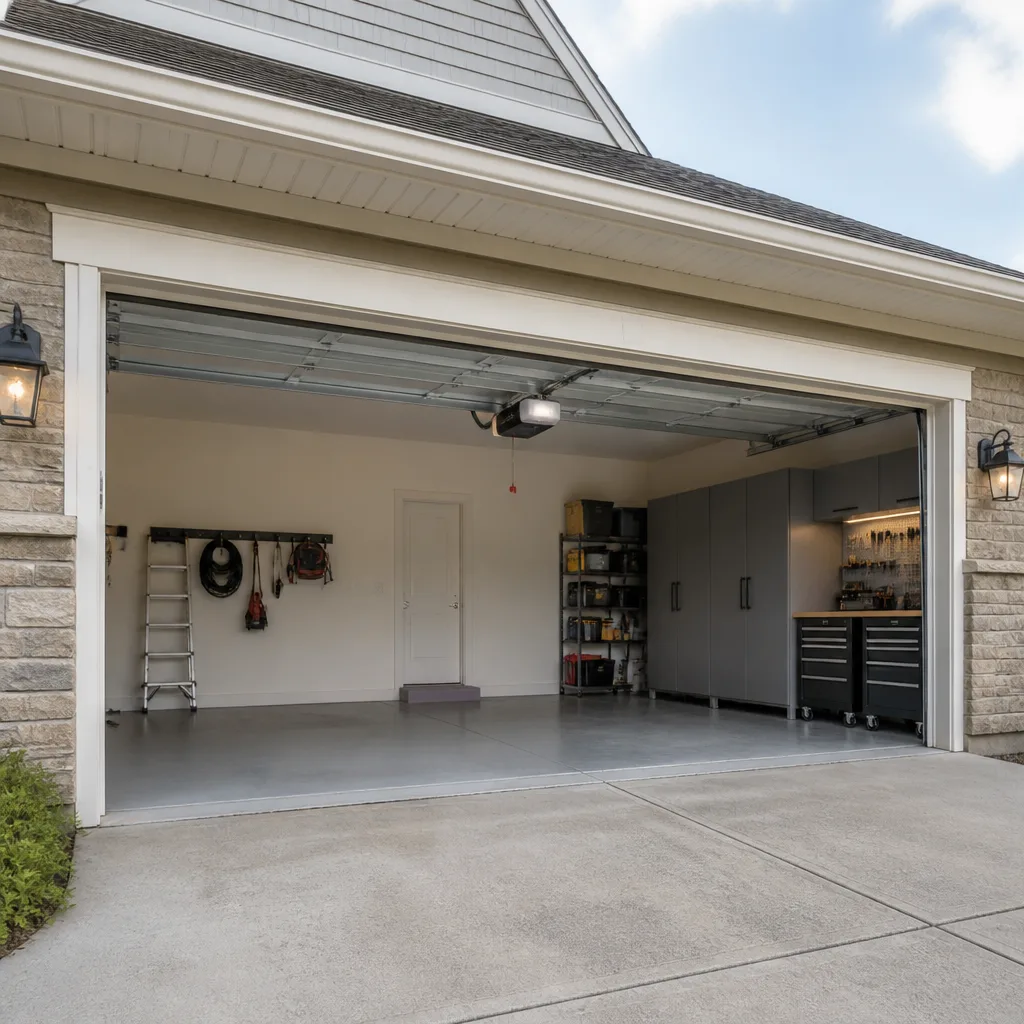 LiftMaster openers
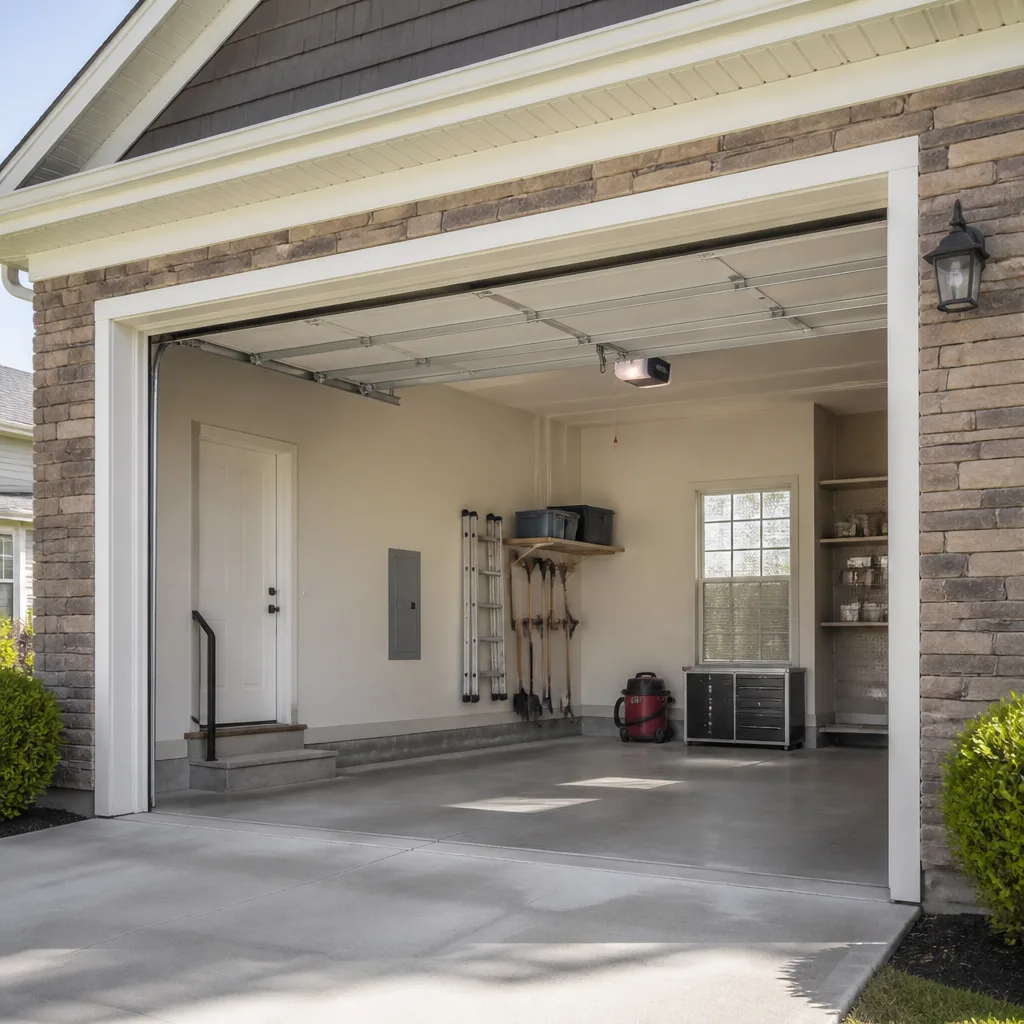 Chamberlain openers
Full 25-point door and opener safety check with every visit - springs, cables, rollers, tracks, and your LiftMaster or Chamberlain opener included
You get a price before we start. It does not change when the pro arrives.
Get your free estimateGarage Door Repair Maintenance Checklist for Slavic Village Homeowners
Torsion springs rarely snap without warning. They leave evidence for weeks before they go: a thin gap in the coil, a stretch mark near the winding cone, a door that suddenly feels heavier than it did last month. Most homeowners walk past that evidence every day because nobody told them what to look for. So we’re writing the checklist we’d hand to a neighbor. This guide is built around the failure patterns we actually see in Slavic Village homes, where road salt migration from Cleveland’s winter streets, humidity off Lake Erie weather patterns, and aging original hardware compound each other in ways a generic manufacturer PDF never accounts for. Follow it in order and you’ll catch most problems before they become emergency calls.
Quick Answer
A garage door maintenance checklist for Slavic Village homeowners should cover four things: a monthly visual inspection of springs, cables, and bottom seals; a twice-a-year balance and lubrication pass; seasonal checks on track anchors and roller wear tied to Cleveland’s freeze-thaw cycles; and professional service for anything involving torsion springs, cables under tension, or a door that’s come off its track. Follow the schedule below and you’ll catch the majority of failures weeks before they strand a car.
Styles & brands we work with
- Raised-panel steel
- Carriage house
- Modern flush
- Full-view glass
- LiftMaster openers
- Chamberlain openers
Table of Contents
- What to Check Every Month
- Salt and Brine: The Slavic Village Corrosion Problem
- How to Run the Balance Test (and Read the Result)
- Cable and Drum Wear You Can See Without Touching
- Track Alignment and Frost Heave in Older Concrete
- A Realistic Frequency Schedule
- Common Mistakes to Avoid
- When to Call a Professional
- Frequently Asked Questions
What to Check Every Month
The monthly pass is a walk-around, not a repair session. It takes about five minutes and it’s the single best habit for catching small problems before they turn into a car trapped inside the garage. Do it in daylight with the door closed, then again with it open. You’re looking, listening, and feeling – not disassembling anything.
Here’s the order we recommend in Slavic Village homes:
- Springs, from a distance. Look at the torsion spring above the door or the extension springs along the sides. You’re checking for a visible gap in the coil, rust bloom, or a stretched section. Never touch a spring – we’ll explain why below.
- Cables. Follow each cable from the drum down to the bottom bracket. Frayed strands, kinks, or slack are all warning signs.
- Rollers and hinges. Rollers should turn freely. A flat-spotted or cracked nylon roller means replacement is due.
- Bottom seal. Run your hand along the rubber seal at the bottom of the door. Brittle, cracked, or missing sections let water and road salt spray in.
- The opener’s reversing test. Place a block of wood on the floor under the door and close it. If the door doesn’t reverse on contact, stop and call for garage door opener repair.
Cleveland’s road crews lay down a lot of salt and brine between December and March, and that spray migrates into garages attached to alleys and side streets throughout Slavic Village. It lands on the bottom seal, the bottom bracket, and the lowest rollers first. That’s why our Slavic Village maintenance calls often start with seal and roller replacement rather than springs.
Salt and Brine: The Slavic Village Corrosion Problem
If you moved here from an inland or dry-climate city, you probably don’t think much about road salt inside your garage. But Slavic Village’s proximity to Lake Erie means wet winters with plenty of freeze-thaw cycles, and the road departments use salt and brine liberally. That brine doesn’t stay on the street – it clings to your tires, drips onto the concrete, and gets flung upward when you pull in. Over a season, it eats through bottom seals, pits metal hinges, and seizes roller bearings faster than most homeowners expect.
Three inspection points matter most for salt damage:
- The bottom rubber seal – look for hardening, curling edges, and white mineral crust along the underside. A seal that’s lost its flexibility lets more brine up into the door’s interior panels.
- The bottom bracket and lower hinges – surface rust is normal; pitting and flaking mean the metal is losing strength.
- The lowest two or three rollers – they take the brunt of the spray. If they squeak or wobble, they’re drying out.
Flush the garage floor with plain water a few times through the winter and rinse the bottom seal. Then hit the hinges and rollers with a garage-door-rated lubricant – not WD-40, which is a solvent, not a lubricant. Wayne Dalton and Raynor doors with steel bottom sections are especially vulnerable to pitting near the seal line, and Craftsman opener rails mounted low can accumulate salt dust that gums up the trolley. A quick monthly wipe-down goes a long way.
How to Run the Balance Test (and Read the Result)
The balance test tells you whether your springs are doing their job. A properly balanced door should hold its position at any point you stop it. If it drops or runs away, the springs are out of adjustment or near failure.
Here’s the half-way hold test:
- Disconnect the opener by pulling the red release cord. Move the door by hand only.
- Raise the door to about waist height – roughly halfway open.
- Release it and step back.
- Watch what it does. A balanced door stays put. A door that falls slowly is slightly out of balance (spring tension is low). A door that slams down is dangerously out of balance. A door that rises on its own is over-tensioned.
- Reconnect the opener only after the door has stayed put or the problem is diagnosed.
What the result actually means: a door that falls or rises on its own is telling you the spring tension no longer matches the door’s weight. Sometimes that’s a tension adjustment. More often, especially in Slavic Village homes with doors over a decade old, it’s a sign the spring is fatigued and about to fail. Do not try to adjust torsion springs yourself – that’s the single most dangerous DIY job on a garage door and a common reason for emergency calls we take in Slavic Village. If the door won’t hold at the halfway point, that’s the moment to schedule garage door repair.
Cable and Drum Wear You Can See Without Touching
Cables are under extreme tension – hundreds of pounds when the door is closed. You can inspect them from a safe distance, but you should never grab, twist, or reposition one. What you’re looking for are wear patterns that predict failure before you hear the tell-tale snap.
Walk along each side of the door and check:
- Fraying near the drum. Use a flashlight to look at the cable where it wraps around the drum at the top corners. Broken strands, a fuzzy texture, or a bulge in the winding all mean the cable is compromised.
- Kinks or bends. A cable should run straight from drum to bracket. A kink indicates it’s jumped a groove at some point.
- Rust streaks. Rust on the cable surface is normal. Rust bleeding onto the drum and nearby wood means chronic moisture – common on Slavic Village doors facing north or shaded by a neighbor’s roofline.
- Drum wear. Look at the cable grooves on the drum. Worn-down or burred grooves cause the cable to slip and jump.
- Bottom bracket condition. The bracket that anchors the cable at the bottom of the door should be solid. Any split metal or loose bolts are an urgent sign.
One more local note: Slavic Village has a lot of older homes with original wood jamb and header details, and the drum brackets on those doors tend to loosen over time. When you check the drums, look at the lag bolts holding them to the header. If they’ve backed out half an inch, that door’s one close cycle away from a cable jumping. If you’re seeing any of this, call a technician – do not try to rewind or replace a cable yourself.
Track Alignment and Frost Heave in Older Concrete
Most checklists say “look for gaps between the track and the door.” That’s a good start, but in Slavic Village it misses the bigger issue: seasonal frost heave. Cleveland’s winter freeze-thaw cycle pushes the ground up and settles it back down, and in older garages – many of them built on concrete slabs with decades-old floor sections – that movement works on the track anchors. Bolts loosen, shim tolerances shift, and the track slowly drifts out of plumb.
A track that’s off by an eighth of an inch is fine. Off by a quarter inch, and the rollers start dragging and the door runs noisy. Off by half an inch, and it comes off.
Here’s how to check alignment properly:
- Stand at the bottom of the track and look up along its edge toward the ceiling. The vertical track should be perfectly parallel to the door’s edge. Any curve or bow is a problem.
- Look at the gap between the track and the door’s edge – it should be consistent top to bottom. If the gap widens or narrows, the track has drifted.
- Check the anchors. The bolts holding the track to the floor and the header should be tight. If any are loose, don’t just re-tighten them – the underlying slab may have shifted, and tightening can pull the track further out of line.
- Open and close the door by hand. Listen for scraping, catching, or a “clunk” near the bottom of the track.
If the floor near your track is cracked, especially parallel to the track line, that’s a frost heave pattern worth showing a technician. Track adjustment is a job for someone who can measure the whole system at once. Our full-service capabilities mean the same crew that adjusts tracks can also move to garage door installation if the door itself is beyond saving.
A Realistic Frequency Schedule
Most checklists throw everything into one list and call it a day. That doesn’t match how problems actually develop. Here’s the schedule we recommend for Slavic Village homeowners, separated by what’s genuinely easy, what needs a bit of attention, and what should never be touched without a technician on site.
Monthly (five to ten minutes, visual and audio only):
- Walk around the door, looking at springs (from a distance), cables, rollers, and seal.
- Run the opener’s reversing test with a wood block.
- Listen for new noises – grinding, groaning, popping.
- Flush salt and grit off the garage floor near the door’s base.
Twice a year (fall and spring, 30 minutes):
- Lubricate hinges, rollers, and the opener rail with garage-door-rated lubricant.
- Run the full half-way balance test.
- Check track alignment with a flashlight and a straight look.
- Inspect the bottom seal for cracking and replace if needed.
- Tighten bolts you can reach by hand (never on springs or cables).
Only by a trained technician:
- Any work involving torsion springs or extension springs.
- Cable adjustment, replacement, or drum service.
- Track realignment when anchors are involved.
- Opener gear, logic board, or safety-sensor calibration issues.
One more local note: in Slavic Village, the spring-failure season isn’t just winter. We see a spike in the first cool weeks of fall, when doors that’s been carrying tension through the summer heat suddenly chill overnight. That’s the right time to get a professional inspection if your door is past that six- or seven-year mark that most springs reach.
Common Mistakes to Avoid
- Greasing the tracks. Tracks should be clean and dry – grease attracts grit and can cause rollers to slip off. Lubricate the rollers and hinges, not the track itself.
- Using WD-40 on moving parts. WD-40 is a solvent, not a lubricant. It cleans and displaces water, then evaporates. Use a garage-door-rated grease or spray silicone instead.
- Adjusting torsion springs. This is the single most dangerous DIY job on a garage door. The spring holds hundreds of pounds of tension, and a wrong move can break a wrist or worse. Springs are not a DIY repair in Slavic Village or anywhere else.
- Re-tightening a track anchor without checking for heave. If the slab has shifted, tightening the bolt pulls the track further out of plumb. Diagnose first, adjust second.
- Ignoring a noisy door through winter. Grinding, groaning, and popping are the door’s way of asking for service. Catch it in November and you won’t be calling us in January.
- Skipping the reversing test. It’s a safety device, not a convenience. If the door doesn’t reverse on contact, stop using it until a tech checks it.
- Assuming a new opener fixes an old door. Most “opener problems” in Slavic Village homes are actually door balance or roller issues. Replacing the opener just transfers the strain to a newer motor. Diagnose the door first.
When to Call a Professional
Some things you should call out. Here’s a short list: any visible gap in a torsion spring, a door that slams down on the balance test, a cable with broken strands, a door that’s come off its track, a snapping or popping sound from the spring area, a door that reverses only sometimes, and any heavy scraping noise during operation. If any of those are true, stop using the door and call a technician.
We work on the brands you already own – LiftMaster, Chamberlain, Genie, Clopay, Amarr, Wayne Dalton, Craftsman, and Raynor – so we diagnose by your actual system rather than a generic checklist. Our technicians have up to 15 years of experience, and spring repair is a named, dedicated service here, which is more than most generalists can say. One call covers it, from a stuck roller to a full new door. Garage Door Repair Slavic Village offers free estimates in Slavic Village – call (855) 814-1061. Emergency or scheduled, we show up equipped, and price is quoted and agreed before any work starts.
Frequently Asked Questions
A visual once-over every month and a full lubrication and balance test twice a year is the right rhythm for Slavic Village homes. Salt spray and freeze-thaw cycles wear metal faster here than inland, so the monthly pass is worth the five minutes.
No. Springs are under hundreds of pounds of tension, and a slip can cause serious injury. Springs are not a DIY repair. Call a trained technician for any spring work, no matter how small the problem looks.
A slow drop usually means the spring tension is low, which is often the first sign of a fatigued spring. It’s worth having a technician look, especially if the door is past the six- to seven-year mark most springs reach. Call (855) 814-1061 for a free estimate and we’ll tell you whether it needs adjustment or replacement.
Cold weather thickens lubricant and shrinks metal, so doors that were quiet in summer start to groan. Add salt grit on the rollers and hinges and you’ve got a recipe for noise. A fall lubrication pass usually solves it; if not, a professional inspection is worth scheduling.
Look up the vertical track from the floor. It should run perfectly parallel to the door’s edge with a consistent gap. Any bow, curve, or widening gap means the track has drifted, often from frost heave in older Slavic Village concrete. Don’t tighten the anchors yourself – call a technician first.
Yes. Emergency service is a real part of what we do, so if a broken spring, snapped cable, or off-track door has trapped a car or left a home unsecured, call us. For scheduled maintenance, our technician availability covers early mornings or Sundays if weekdays don’t work.
We’re factory-familiar with LiftMaster, Chamberlain, Genie, Clopay, Amarr, Wayne Dalton, Craftsman, and Raynor. If your door or opener is one of those, we diagnose by the actual system rather than guesswork. If you’re not sure, call and describe it – we’ll tell you whether we can help.
Not usually. Most opener complaints in Slavic Village homes are actually door balance, roller, or hinge issues transferring strain to the motor. A proper garage door opener repair visit starts with checking the door itself before the motor. If the door’s the problem, we fix the door; if the opener’s failing, we’ll tell you that too.
Yes. Estimates are free, and the written estimate sets the price before any work starts. If you’re not sure whether your door needs service, call (855) 814-1061 and we’ll walk you through what to check first.
No. Our focus is diagnosis first. Most doors in Slavic Village can be repaired rather than replaced. If a repair makes sense, we’ll quote the repair. If a door is genuinely past saving, we’ll explain why and quote the installation separately. Either way, you decide before any work starts.
The Bottom Line
Spring failures, cable wear, and track drift rarely come out of nowhere. They leave evidence – a visible gap in the coil, a frayed cable, a door that drops on the balance test. The Slavic Village twist is that road salt, Lake Erie humidity, and Cleveland’s freeze-thaw cycles accelerate those failure patterns in ways a generic manufacturer checklist won’t catch. Follow this schedule and you’ll catch most of them weeks before they become emergency calls. For the ones that need a technician – anything with springs, cables, or track anchors – one call covers it. Garage Door Repair Slavic Village is here for a quick fix, scheduled maintenance, or a full replacement when the time comes.
If you’d rather skip the checklist and have a technician look at it, call (855) 814-1061 for a free estimate. For a full new door, a repair, or a garage door repair in Slavic Village, we’re glad to help.
Written by the team at Garage Door Repair Slavic Village.
See the difference
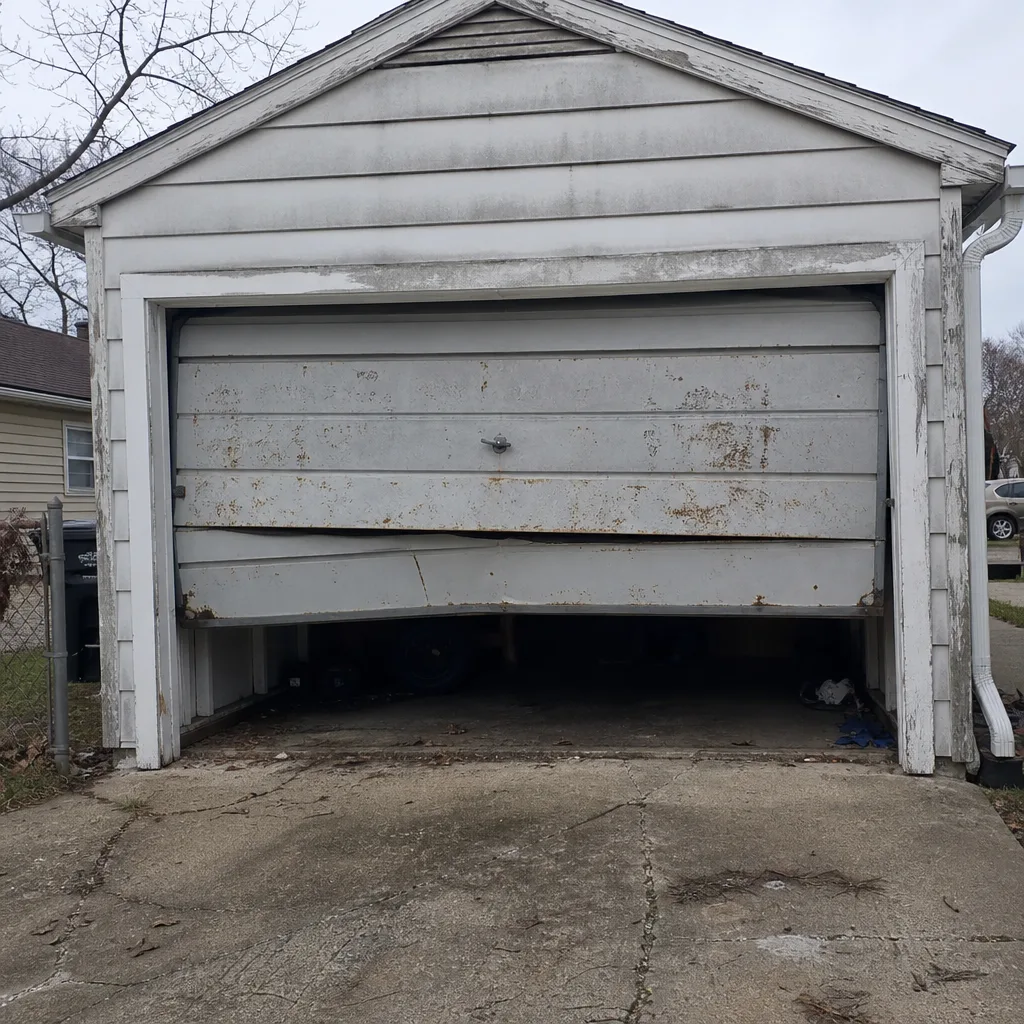 Before
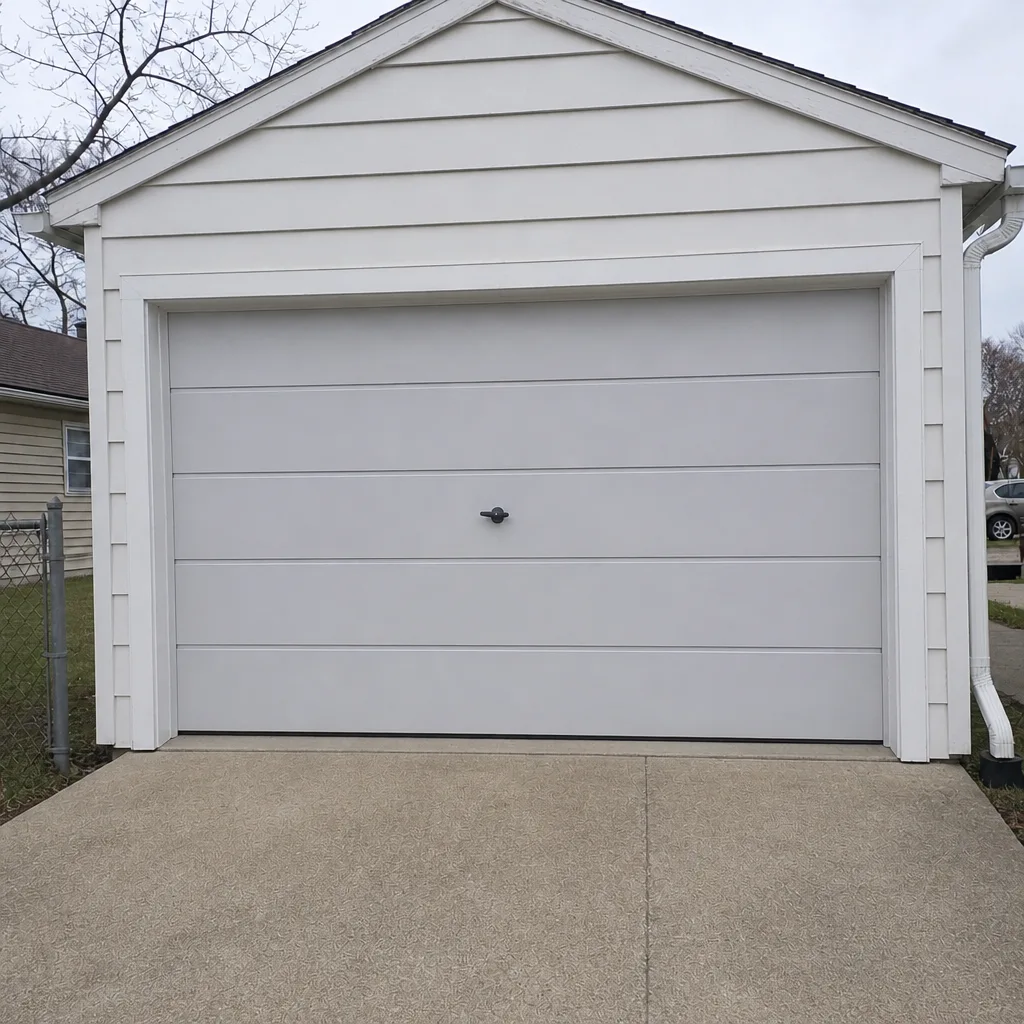 After
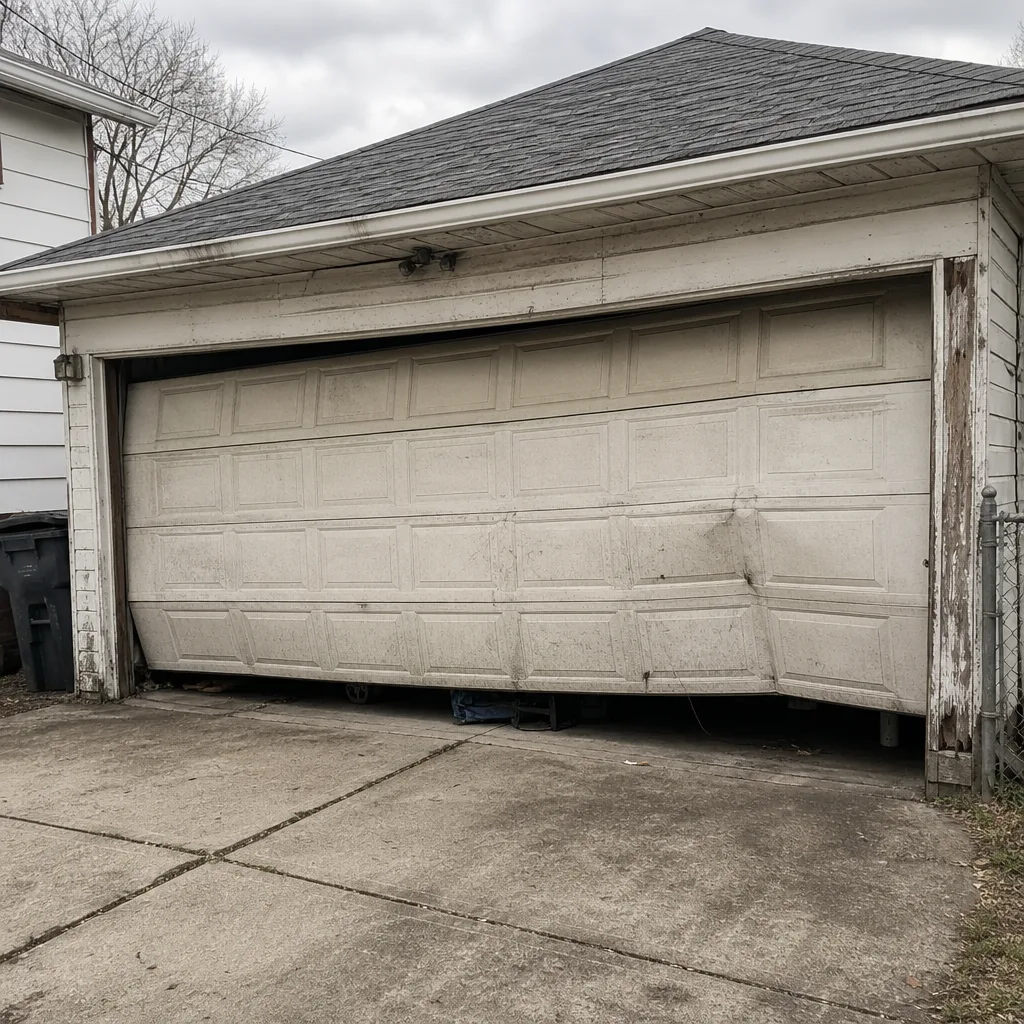 Before
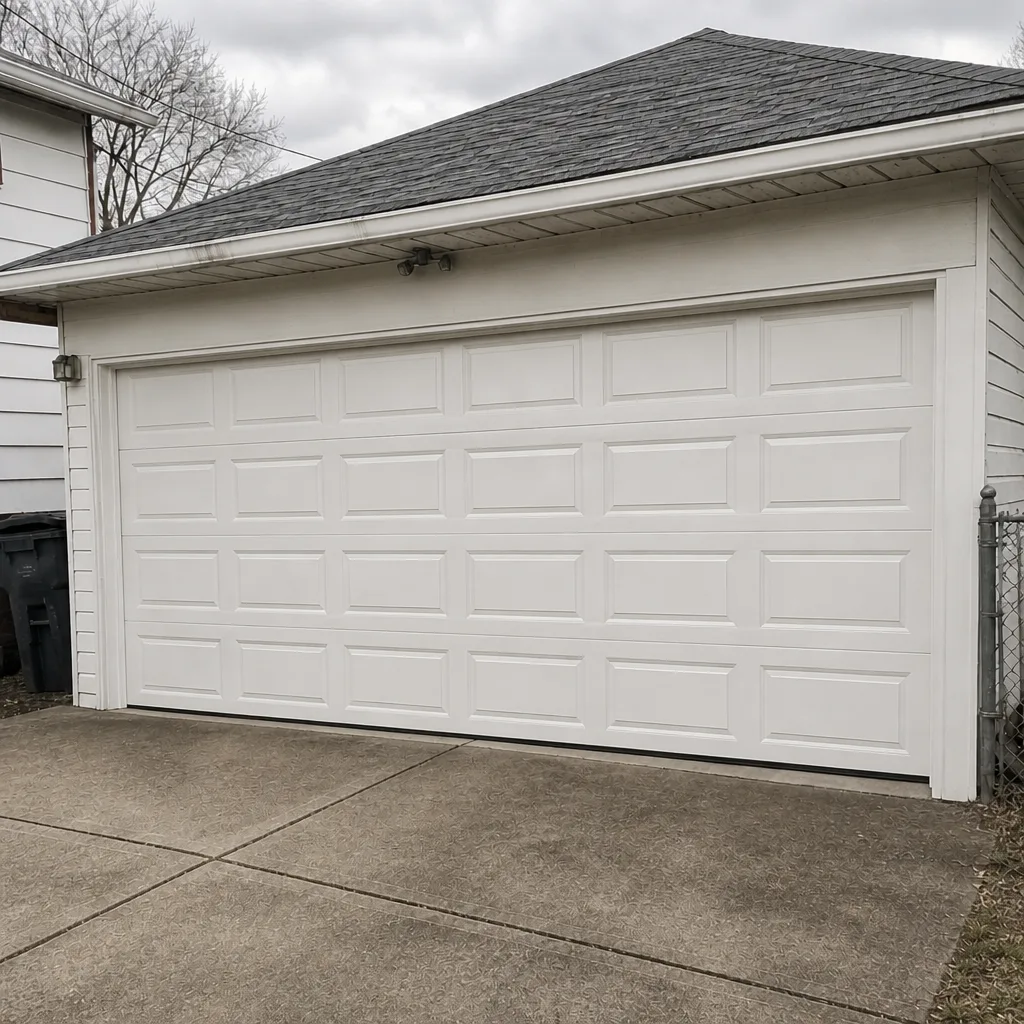 After
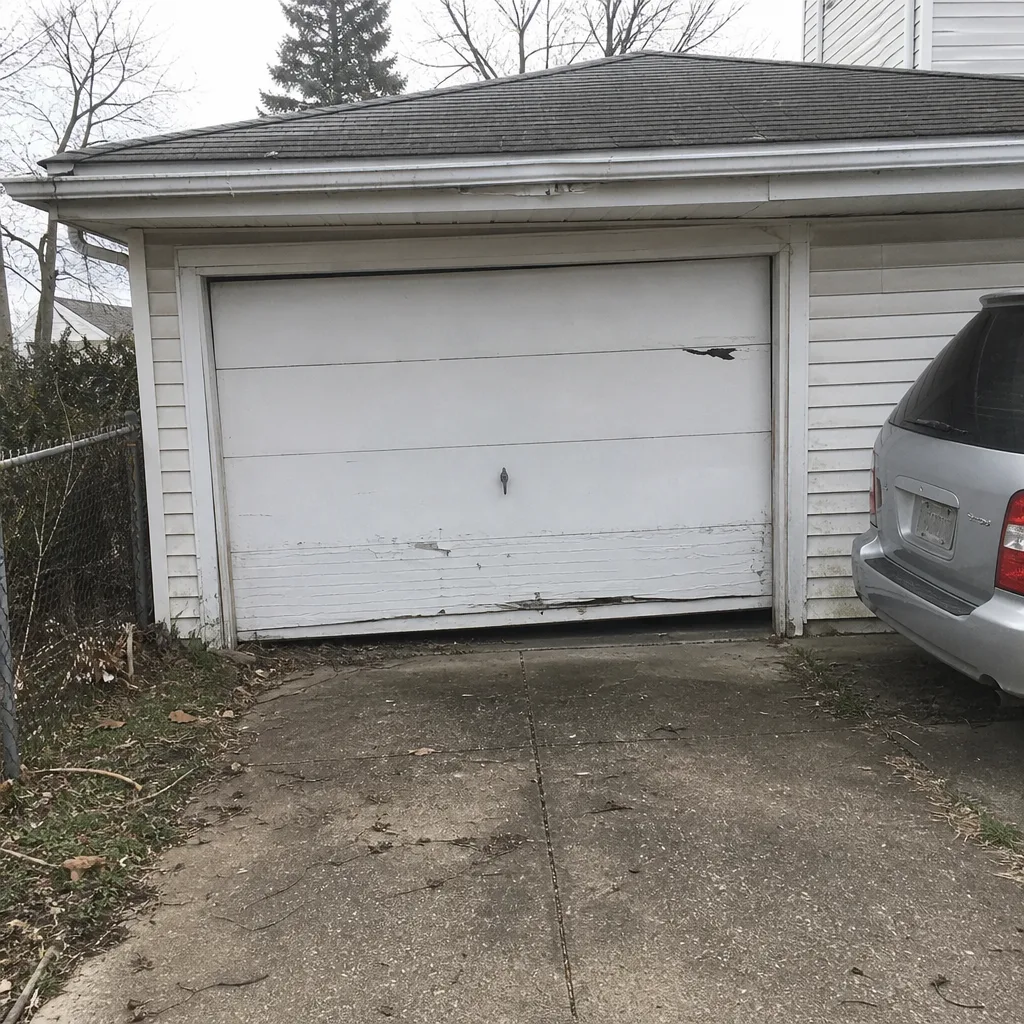 Before
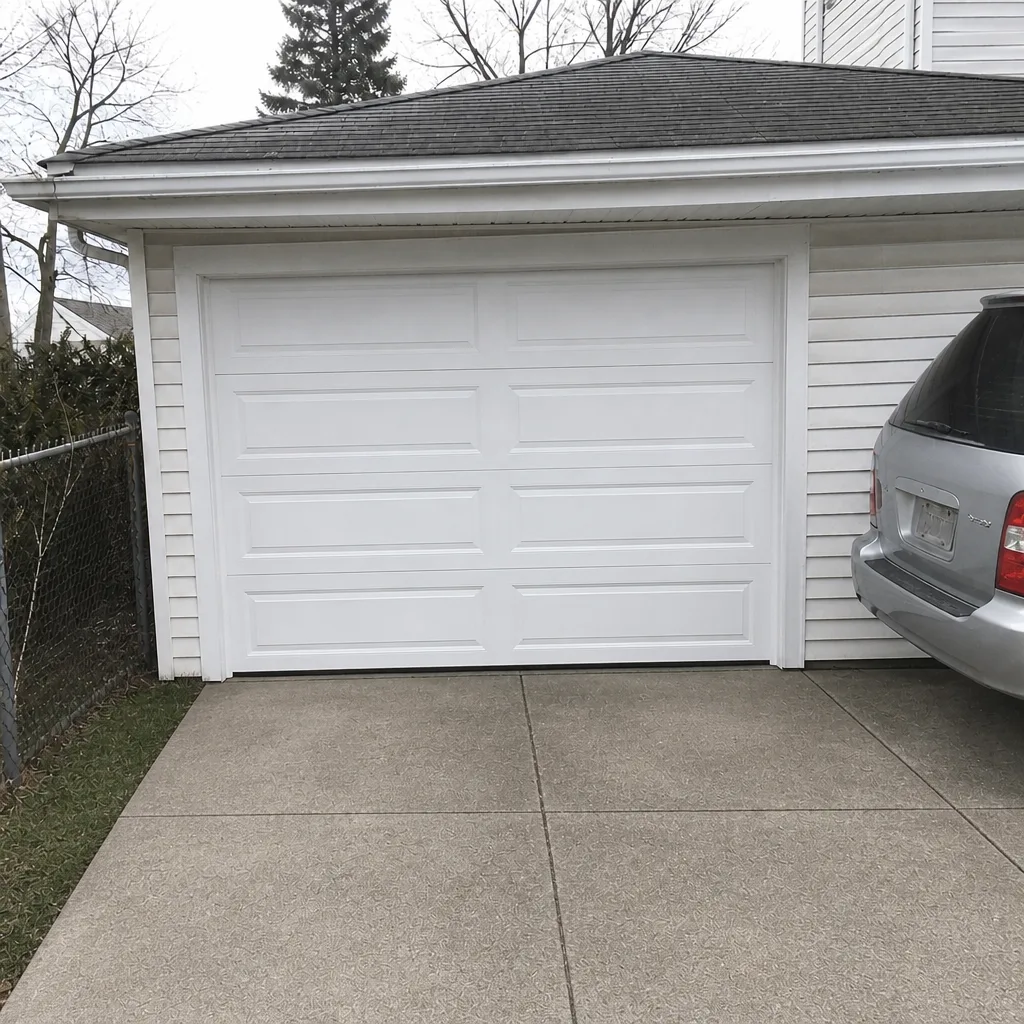 After