Last updated November 20, 2026
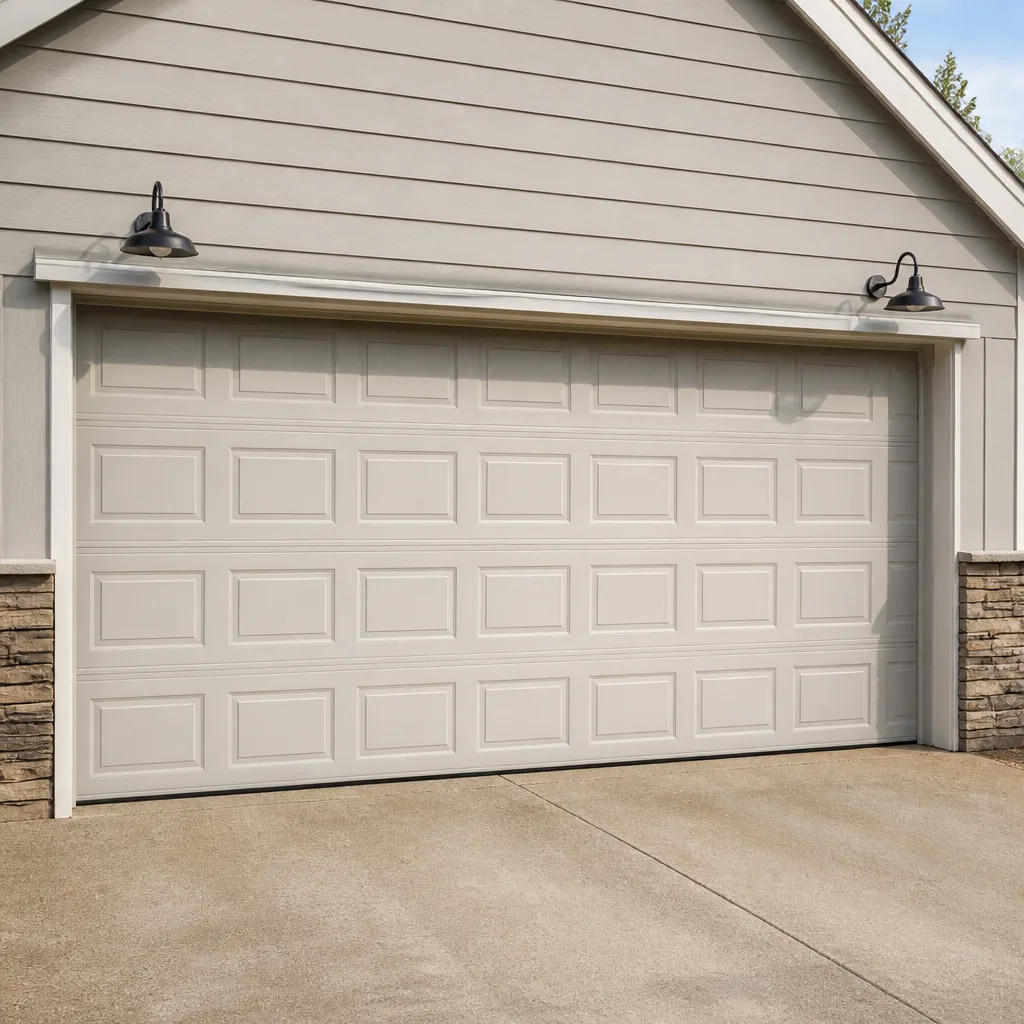 Raised-panel steel
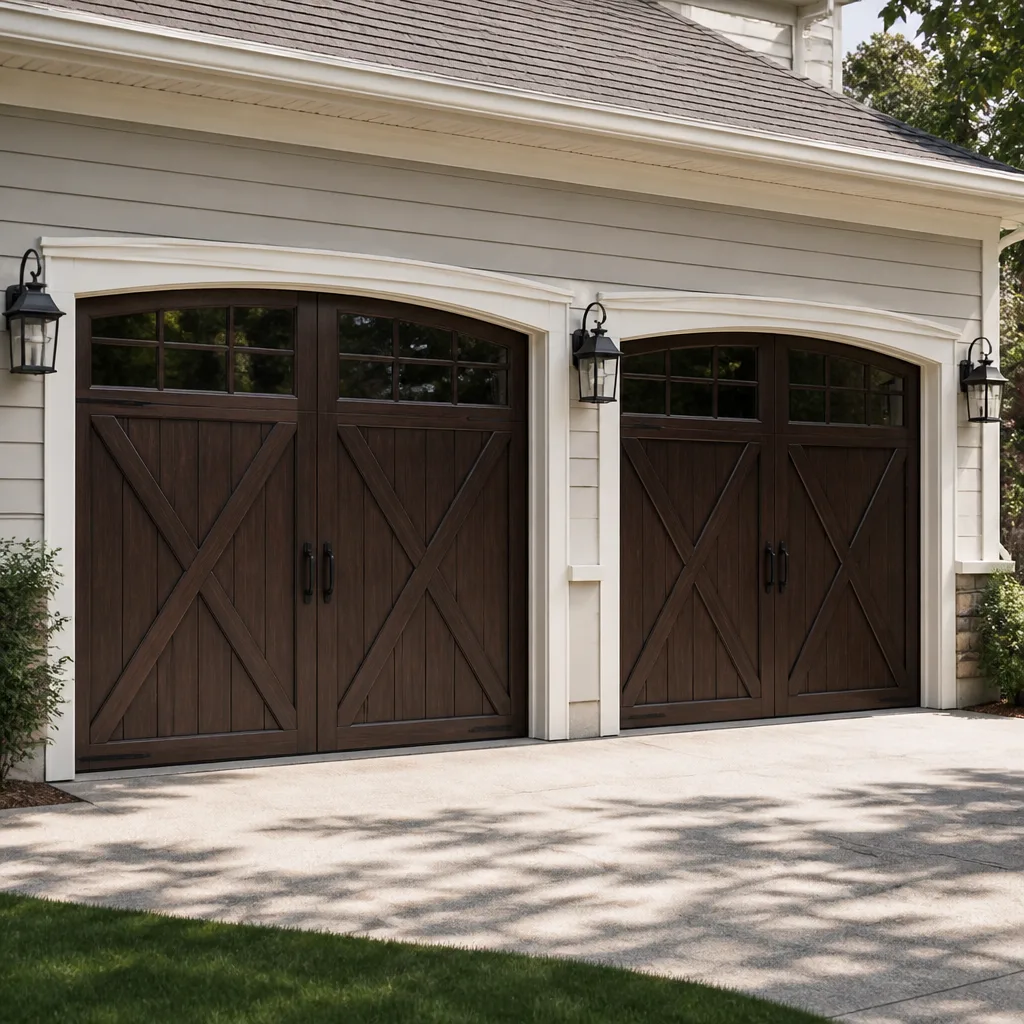 Carriage house
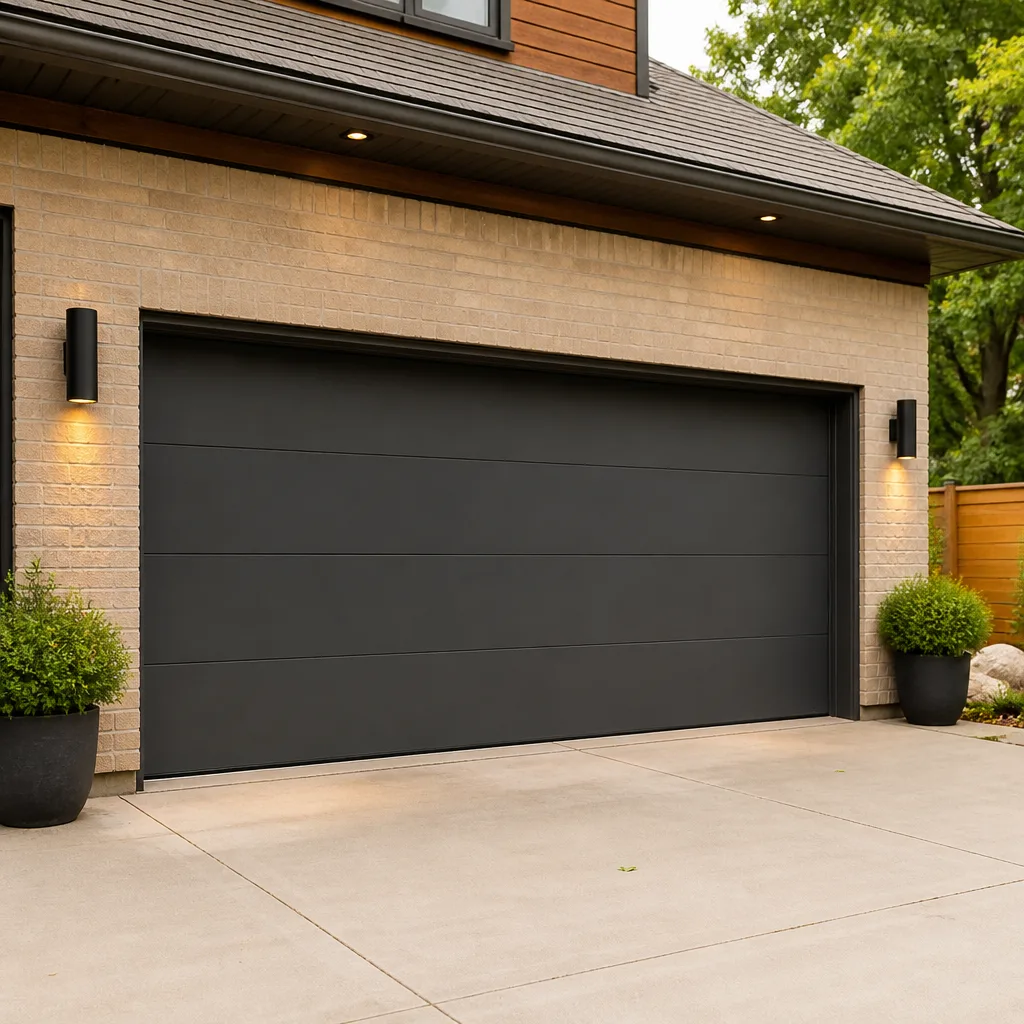 Modern flush
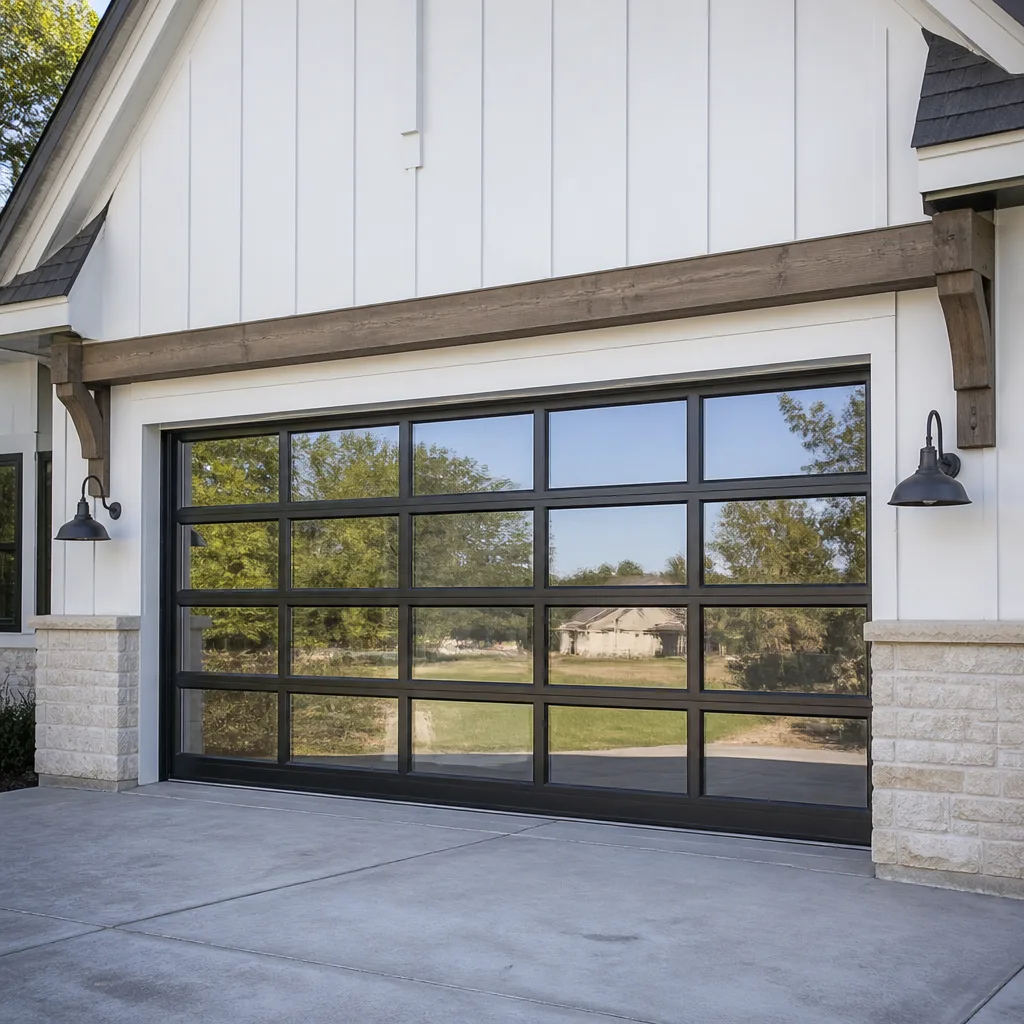 Full-view glass
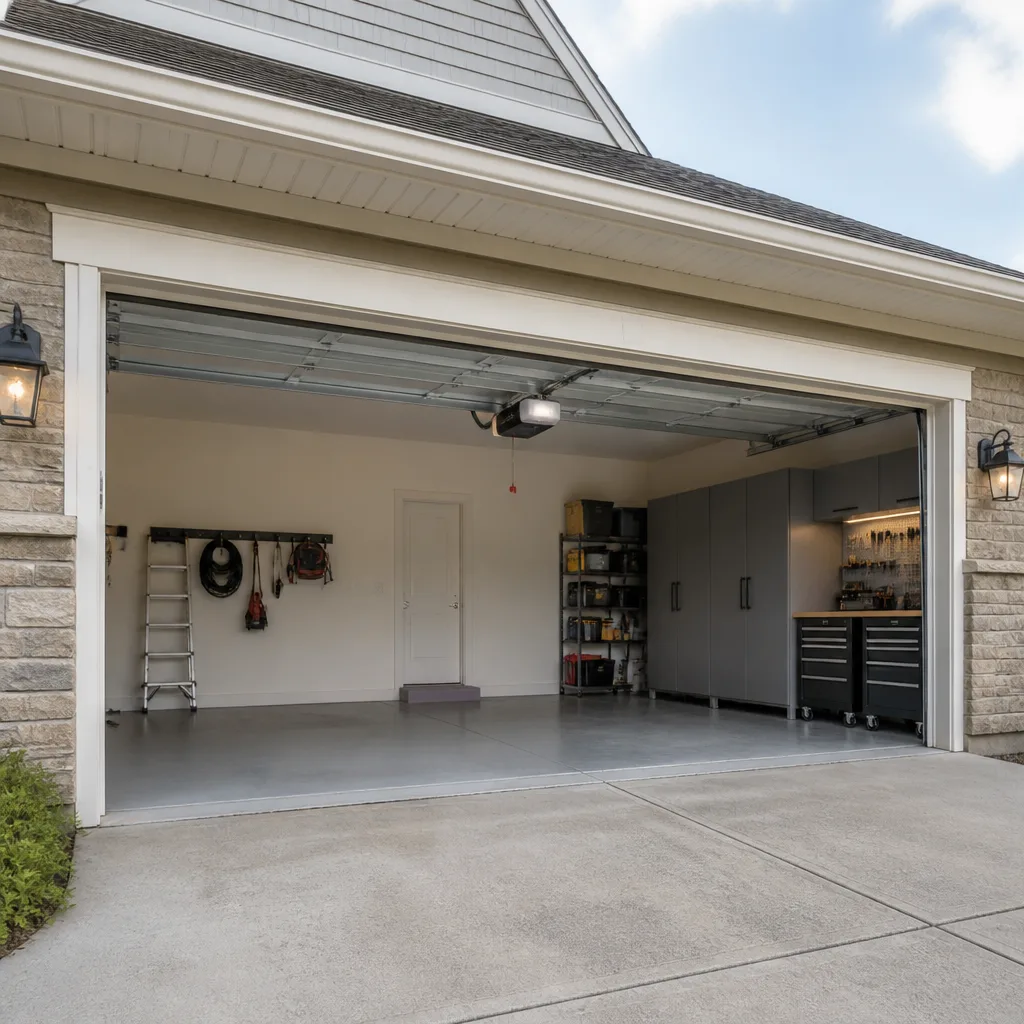 LiftMaster openers
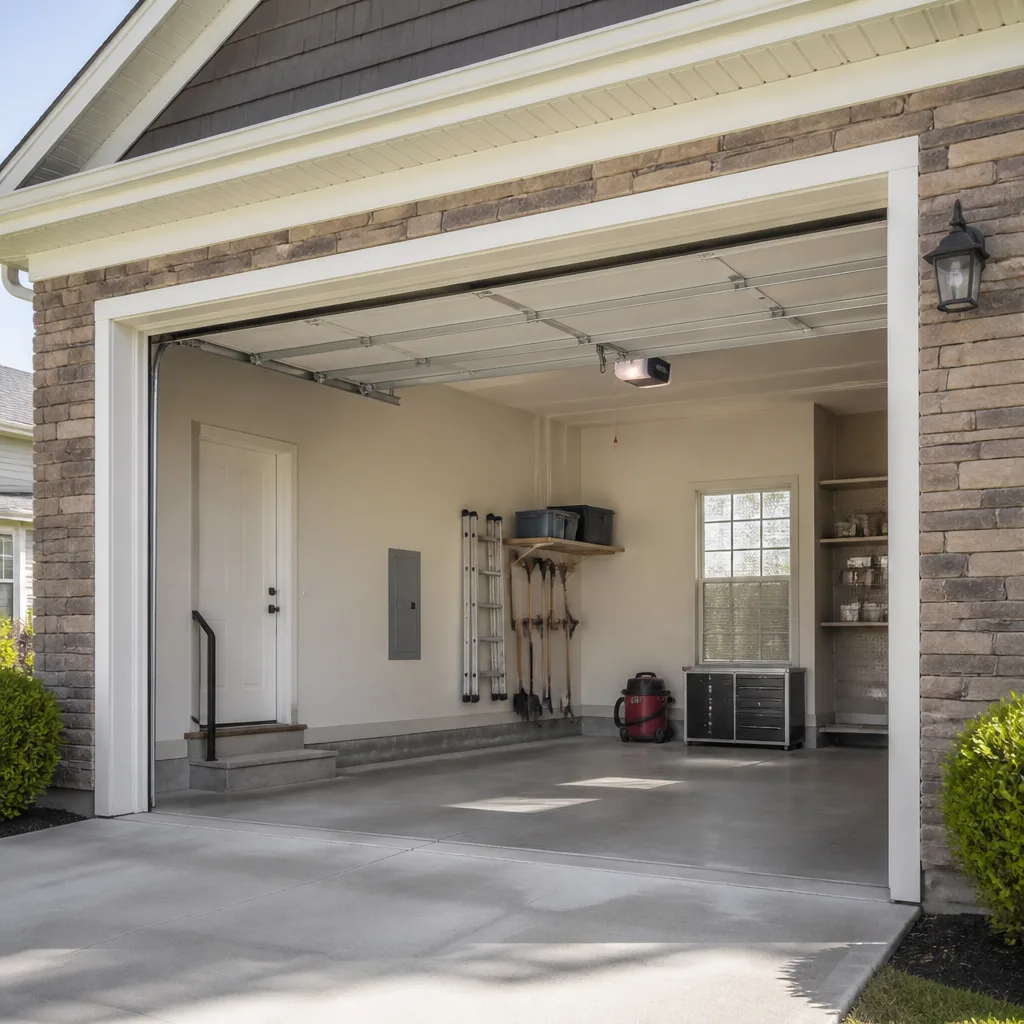 Chamberlain openers
Full 25-point door and opener safety check with every visit - springs, cables, rollers, tracks, and your LiftMaster or Chamberlain opener included
You get a price before we start. It does not change when the pro arrives.
Get your free estimateSeasonal Garage Door Care for Slavic Village: Year-Round Homeowner’s Guide
January is when most Slavic Village homeowners call us about a door that won’t open. The failure almost always started in October, when the lubricant in the rollers thickened with the first cold snap and nobody noticed the rollers were already worn down to the bearing. That’s the thing about garage doors in this part of Cleveland: they don’t fail suddenly. They fail on a schedule, and the schedule follows the seasons. Slavic Village sits in the path of the lake-effect cold that pushes across northeast Ohio, and that means four distinct rounds of stress on the same system every year: freeze-thaw in early spring, humidity in summer, debris and temperature swings in fall, and hard cold in winter. In this guide we’ll walk through each season as its own maintenance window, name the specific parts that take the hit, and tell you what’s worth checking yourself and what isn’t. Our technicians have up to 15 years of experience working on these systems, and we’d rather you know what to look for than wait for a failure.
Quick Answer
Garage door care in Slavic Village works best when you treat the year in four separate windows instead of one annual tune-up: inspect and lubricate in early fall before the first hard freeze, clear and test in late winter after freeze-thaw has worked on your seals, check for rust and balance in spring, and watch wood sections and opener boards through summer humidity. The parts that fail here most often are rollers, bottom seals, springs and opener logic boards, and nearly all of them give you warning signs weeks before they stop working.
Styles & brands we work with
- Raised-panel steel
- Carriage house
- Modern flush
- Full-view glass
- LiftMaster openers
- Chamberlain openers
Table of Contents
- Why Slavic Village Doors Age Differently
- Fall Prep: Getting Ahead of the First Freeze
- Choosing Lubricant That Stays Fluid Below 0°F
- Winter: Bottom Seals, Thresholds and Heaving Concrete
- Spring: Rust Checks and Balance Testing After Ground Shift
- Summer Humidity: Wood Sections and Opener Logic Boards
- Road Salt and the Inside of Your Bottom Section
- When to Call a Professional
Why Slavic Village Doors Age Differently
The Cleveland snow belt’s influence reaches into Slavic Village, and the practical effect is a larger number of freeze-thaw cycles per year than you’d get in a milder climate. A freeze-thaw cycle is simple physics: moisture gets into a seam or under a seal, freezes overnight, expands, then thaws and leaves a slightly wider gap the next day. Repeat that dozens of times a winter and you get seals that tear, concrete at the threshold that heaves a fraction of an inch, and fasteners that work themselves loose. On a garage door, every one of those small movements translates into vibration.
Vibration is the quiet killer. A door that shakes a little when it opens is putting extra load on the opener’s motor and gear assembly. That’s why you’ll see a LiftMaster or Chamberlain unit fail in February on a door whose real problem is a worn hinge and a seal that’s been dragging since November. The motor isn’t the faulty part. It’s the messenger.
There’s a second local factor: the housing stock. Slavic Village has a lot of older garages, and older garages tend to be under-insulated, poorly ventilated, and built on slabs that have settled unevenly. That combination amplifies every seasonal stress. A door that would be fine in a new build with a level floor and good ventilation will drag on the frame of a settled one after a hard winter.
None of this is a reason to worry. It’s a reason to check on a schedule. You can read more about the specific failures we handle most in Slavic Village on our garage door repair page, but the short version is: catch the small stuff seasonally and you avoid most of the big stuff.
Fall Prep: Getting Ahead of the First Freeze
The single most useful maintenance window in Slavic Village is a dry afternoon in October or early November, before the first hard freeze sets in. Everything you do here carries through winter. Everything you skip shows up as a January repair.
Work through this in order:
- Clear the tracks. Use a dry cloth or a stiff brush, not a solvent. Wipe the inside face of both vertical and horizontal tracks and remove any grit, leaf fragments or cobwebs. Do not grease the tracks; lubricant on the track attracts grit and makes the rollers slide instead of roll.
- Lubricate every moving joint. Rollers, hinges, the torsion spring coils (with the door closed and the spring relaxed), and the bearing plates. More on the right product in the next section.
- Test the auto-reverse. Put a piece of scrap wood on the floor under the door and close it. It should reverse on contact. Then test the photo-eye by passing an object through the beam while the door is closing. Both tests should be run again after the first cold snap, because cold can stiffen the door enough to change how the safety system behaves.
- Inspect the bottom seal. Run a hand along the full length and look for cracks, flattening, or gaps at the corners. Any gap is where cold air and snowmelt get in.
- Check the weatherstripping at the frame. The vertical strips along the sides and the header strip across the top take a beating from wind-driven snow, and a torn side seal will let meltwater into the garage where it refreezes under the bottom section.
- Look up at the springs and cables. From the floor, check for rust spots, fraying on the cables, or a visible gap in a spring. Do not touch or adjust them. Just note what you see.
This entire routine takes about a half hour. It is also the cheapest hour of the year for your door. A Clopay or Amarr steel door in good shape will outlast a neglected one by a wide margin, and the difference is almost entirely in whether the owner lubricates and replaces seals on time.
One fall task Slavic Village homeowners often skip is the garage door opener itself. If you have a LiftMaster or Chamberlain unit, clear any debris off the housing and out of the vent slots so it can breathe, and test the wall-mounted control and both remotes while you’re out there. For anything beyond that, our garage door opener repair page covers the specific symptoms worth watching for.
Choosing Lubricant That Stays Fluid Below 0°F
Not every lubricant you can buy at a hardware store belongs on a garage door in this climate, and the wrong one can make your opener work harder than a dry hinge would.
What to look for:
- Use a lithium-soap grease or a purpose-made garage door lubricant rated for low temperature. These stay soft enough to move through a hinge barrel when the thermometer drops well below freezing.
- Avoid heavy general-purpose grease. Wheel-bearing grease and similar products are formulated for high load and moderate temperatures, and in a cold garage they set up like peanut butter. Once a hinge is packed with grease that won’t flow, the door pulls harder, and the opener motor is left to make up the difference.
- Avoid standard WD-40 as a long-term lubricant. It’s an effective solvent and a light lubricant, and it’s fine for freeing a stiff latch or wiping down a track, but it evaporates off. If you spray it on rollers in fall, they’ll be dry again by the first hard freeze.
- Avoid oils so light they run off. A thin machine oil that drips onto a concrete floor is just going to be gone.
Here’s a quick reference for Slavic Village conditions:
- Hinges and rollers: lithium-soap grease or a spray rated for low-temperature garage door use.
- Torsion springs: a light coat, sprayed along the coil with the door closed. Never touch them with the door open.
- Opener chain or belt (LiftMaster, Chamberlain, Genie): follow the manufacturer’s lubricant. Many modern units don’t need it at all.
- Tracks: nothing. Keep them clean and dry.
If the door feels noticeably heavier or noisier after a cold night even with the right product, that’s a signal the rollers or bearings are past the point where lubricant helps, and it’s time for a look.
Winter: Bottom Seals, Thresholds and Heaving Concrete
Winter in Slavic Village does most of its damage at the very bottom of the door. That’s where the cold, the snowmelt, and the ground meet.
Here’s what happens. Snowmelt runs down the driveway and pools at the threshold. Overnight it freezes against the bottom seal, and the seal bonds lightly to the concrete. In the morning the opener pulls the door up and tears the cold, brittle weatherstripping, sometimes just a little, sometimes a lot. Repeat this all winter and you’ll have a bottom seal that’s shredded by March and a garage that no longer keeps out the weather.
Meanwhile the concrete slab itself is moving. Freeze-thaw causes concrete to heave, and a slab with any cracks or settled sections will lift in one spot and stay put in another. The result is a threshold that isn’t level anymore. The door closes onto a high spot on one side and leaves a gap on the other. Many homeowners see this as the door being “out of alignment” and assume the tracks or the opener are to blame. Often it’s just the floor.
What to check through winter:
- The bottom seal: look for tears, flattening, or hard crust that no longer flexes.
- The gap under the door: with the door closed, look for daylight at any point along the threshold, especially after a freeze-up.
- The threshold plate (if you have one): look for sections that have lifted or become loose.
Replacing a bottom seal in this climate is worth doing with the right spec. A basic hollow vinyl seal is fine in a mild market; here you’ll get more life out of a rubber or vinyl seal that stays flexible in cold, and a slightly larger profile is worth considering if the gap at your threshold varies. If the concrete has heaved significantly, the right fix may be a threshold plate or a proper seal adjustment rather than a replacement, and that’s a judgment call best made in person.
If you’re noticing a gap under the door as the weather turns, don’t wait until the spring thaw. Call (855) 814-1061 and we’ll get you a free estimate on seal work before the season does more damage. We handle this kind of repair year-round, and it’s a good example of the smaller jobs that save larger ones. If you’re dealing with a door that’s stuck or has failed completely, our emergency garage door service covers that too.
Spring: Rust Checks and Balance Testing After Ground Shift
Spring in Slavic Village is a diagnostic season. The winter has put your door through everything the climate can throw at it, and now is the time to find out what it cost you. A few checks worth making after the thaw:
- Inspect the springs for rust. Snow and ice sit on the spring coils for weeks at a time and any moisture that gets trapped under the ice can start rust. A few surface spots are cosmetic. Deep rust, a shiny section where the coil has thinned, or visible pitting is not. Do not try to loosen, adjust or repair a spring yourself. Torsion springs are under high tension, and if one releases under load it can cause serious injury. This is a job for a trained technician, always.
- Check the cables for fraying. Cables run along the sides of the door at the edge of the track and hold tension when the door is closed. Look for frayed strands, kinks or rust; call on any of them.
- Test the door’s balance. Disconnect the opener (there’s a manual release cord on the unit) and lift the door about halfway by hand. Let go. A balanced door stays roughly in place. A door that drops or rises on its own is out of balance and needs adjustment. Don’t leave it disconnected; re-engage the release once you’ve noted the result.
- Re-check the bottom seal and threshold. Winter may have damaged parts you didn’t catch on the way out.
- Look at the concrete again. Now that the ground has thawed, note whether the slab has changed shape. Ground shift between fall and spring can change how the door seats on the floor even if nothing else has changed.
Unbalanced doors are a common spring finding here, because Ohio’s ground freeze and thaw can shift a garage’s foundation just enough to put the door frame out of square. A door that was perfectly balanced in October can have developed a real problem by April without any part of the door itself changing.
Any spring or cable finding goes on a professional list. Don’t buy replacement parts at a big-box store and try it. We’ve seen too many doors come back from a DIY spring job in worse shape than they started, and the safety risk is real. If your spring or cable work needs attention, we offer a dedicated spring repair service to handle it properly. And if it’s time to think about the door itself, our garage door installation page explains how replacement decisions work.
Summer Humidity: Wood Sections and Opener Logic Boards
Cleveland-area summers bring humid air, and in a poorly ventilated garage the humidity builds up more than you’d think. Two parts of your system feel that most.
Wood door sections. If you have a wood or wood-composite door, summer humidity causes swelling. Sections that fit snugly in October can bind against each other in July, and any spot where the finish has worn thin will absorb moisture. Over a few seasons this can produce rot in the bottom section, which is closest to the floor and gets the most moisture. The fix is straightforward: keep the finish intact on all sides and edges of the door, and treat any bubbling or peeling paint as a moisture warning. A well-painted steel door from Clopay or Amarr doesn’t have this problem, but checking the paint condition is still worth ten minutes in spring and late summer.
Opener logic boards. The circuit board inside an opener unit can misbehave when humidity is high and the air around it is warm. A Chamberlain or Genie unit that goes unresponsive in August, flashes odd codes, or runs the door without being asked is often reacting to heat and moisture inside the housing. Getting good ventilation into the garage helps. Keeping the vent slots clear helps. And if the unit is behaving erratically, that’s a sign to have a technician look at it rather than live with it, because an opener that runs by itself is a safety problem.
Summer also exposes problems that were hidden during winter. Ice and snow can mask a rubbing spot, a creaking hinge, or a slight misalignment, and once warm weather arrives you suddenly hear what you couldn’t hear before. That’s fine. It’s still early enough in the year to deal with it.
Road Salt and the Inside of Your Bottom Section
Here’s one most Slavic Village homeowners don’t think about until the paint is already peeling on the inside of the garage door. Road salt tracked in on cars and boots through winter builds up on the garage floor along the threshold. It sits there as a fine, dry, crystalline dust or as wet brine, and it is actively working on the bottom section’s finish from the inside out.
The bottom section, in particular, takes the hit. It’s closest to the floor, it’s what collects whatever gets kicked up against it, and it has the highest chance of missing paint along its bottom edge. If you look closely at the inside face of your bottom section in late winter, you may see flaking paint, a fine white haze on the metal, or the first bloom of corrosion on hinges and bottom brackets.
What to do about it:
- Sweep or wash out the garage floor lightly near the threshold after the worst winter salt traffic, especially on sunny days when you can open the door.
- Look at the bottom section finish inside in late winter and again in early spring. Any spot where bare metal is showing needs paint.
- Wipe down the hinges and bottom brackets after a salty winter to remove the residue before it starts eating the finish.
- Check the weatherstripping for trapped salt crust that hasn’t been cleaned out.
This is one of those small jobs that pays for itself many times over. A bottom section that rusts out from the inside can’t just be repainted; the section has to be replaced, and sometimes the whole door. Ten minutes of sweeping is cheaper than any of that.
When to Call a Professional
Some tasks are homeowner jobs: sweeping the garage floor, keeping the tracks clean, watching the seal, and running the auto-reverse test. Others really shouldn’t be. Call us when you see any of these:
- A broken spring, or a visible gap in a torsion spring coil
- A frayed, kinked or rusted cable
- A door that’s off its track, hanging crooked, or won’t move by hand
- An opener that runs without being commanded, won’t respond, or flashes an error code you can’t clear
- A door that’s out of balance, even with the manual release pulled
- A bottom seal that’s torn, or a visible gap under the door that doesn’t go away
- Any sign of rot, deep rust, or structural damage on a door section
- Any part of the door or opener that makes you feel unsure just to watch it operate
Garage Door Repair Slavic Village offers free estimates in Slavic Village – call (855) 814-1061. We work on the brand you already have, whether that’s LiftMaster, Chamberlain, Genie, Clopay, Amarr, Wayne Dalton, Craftsman or Raynor, and we can get you back on track today for most repairs. Our technicians have up to 15 years of experience, and we handle emergency calls as well as scheduled visits.
Frequently Asked Questions
Twice a year is a practical minimum here: once in fall before the first hard freeze, and once in spring after the thaw. Because of the local freeze-thaw cycles, fall is the more important of the two; that’s when lubricant has to still be fluid enough to protect the joints through cold. Call (855) 814-1061 if you’d like a technician to walk through it with you.
Cold thickens lubricant and shrinks metal parts, so a door that was quiet in October can sound louder in January. If it’s just noisier but moves fine, that’s often a lubrication issue. If the noise comes with slow, jerky movement or the opener struggling, it’s usually a sign the rollers or hinges have worn, and that’s worth having checked.
Freeze-thaw is usually the cause. Water gets under the seal, freezes, and shifts both the seal itself and the concrete below. By the end of winter, the door is sitting on a floor that has heaved and a seal that’s been flattened or torn. This is fixable, and usually it’s a seal or threshold issue rather than a problem with the door, but it does need to be seen to know for sure.
For a hollow vinyl seal in good weather with a level floor, some homeowners do manage it. In this climate, the more common situation is a seal that needs to be matched to a floor that isn’t quite level, and the profile needs to be right for the gap. If the existing seal is torn and the floor has shifted, it’s worth having it looked at rather than guessing at the part.
The most likely causes are a disconnected manual release (the cord has been pulled and never re-engaged), a broken spring taking the load off the opener, or a stripped gear drive inside the unit. Pull the release cord and try lifting the door by hand; if it won’t lift, the spring or cable is the problem and the opener isn’t the issue. Call (855) 814-1061 for a same-day look in most cases.
A few surface spots aren’t serious. Deep pitting, thinning coils, or rust that’s concentrated at the coil ends are serious and mean the spring is closer to failing than its surface appearance suggests. Springs under tension are dangerous to touch or adjust; any real rust on the coil warrants a professional inspection, not a DIY repair.
The Bottom Line
Slavic Village garage doors live through four seasons of real stress, and the failures come in a predictable pattern. Lubricate before the freeze. Watch the seal and the threshold all winter. Check for rust and balance in spring. Watch the wood and the opener board in summer. Clean up the road salt from the inside. Do those small things and you’ll replace far fewer rollers, springs and opener boards than your neighbors. When something goes wrong, one call covers it: repair, opener service, or a new door, all from a company that does nothing but garage doors. Call Garage Door Repair Slavic Village at (855) 814-1061 for a free estimate. We’ll show up equipped, and we’ll get you working again before we leave.
Written by the team at Garage Door Repair Slavic Village.
See the difference
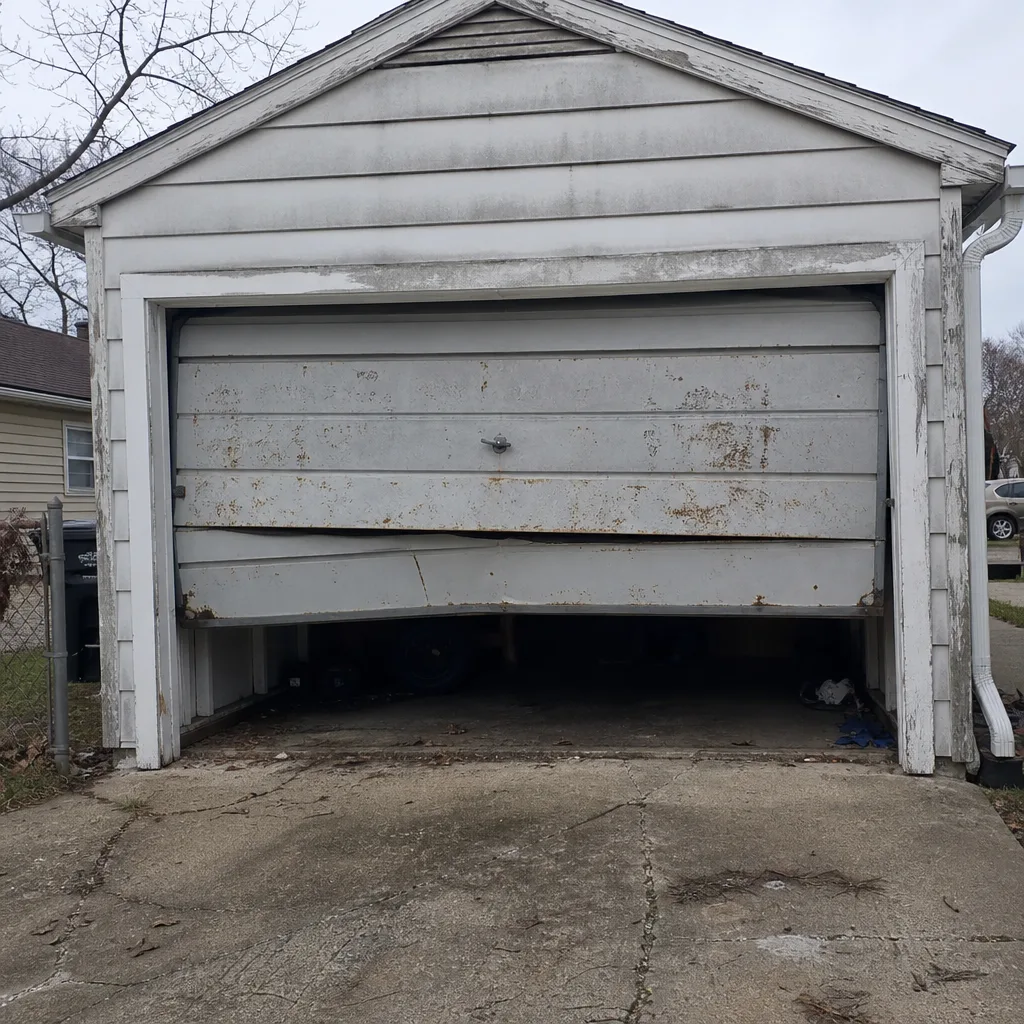 Before
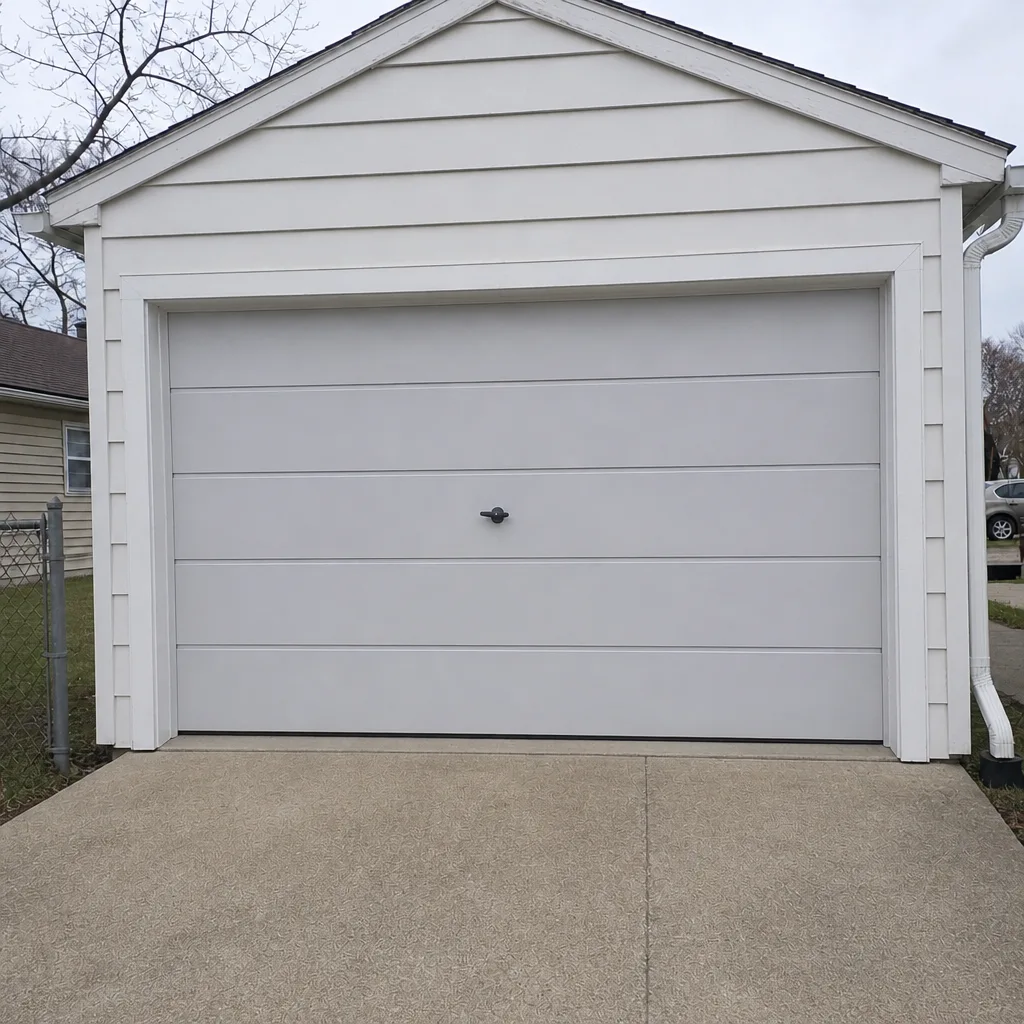 After
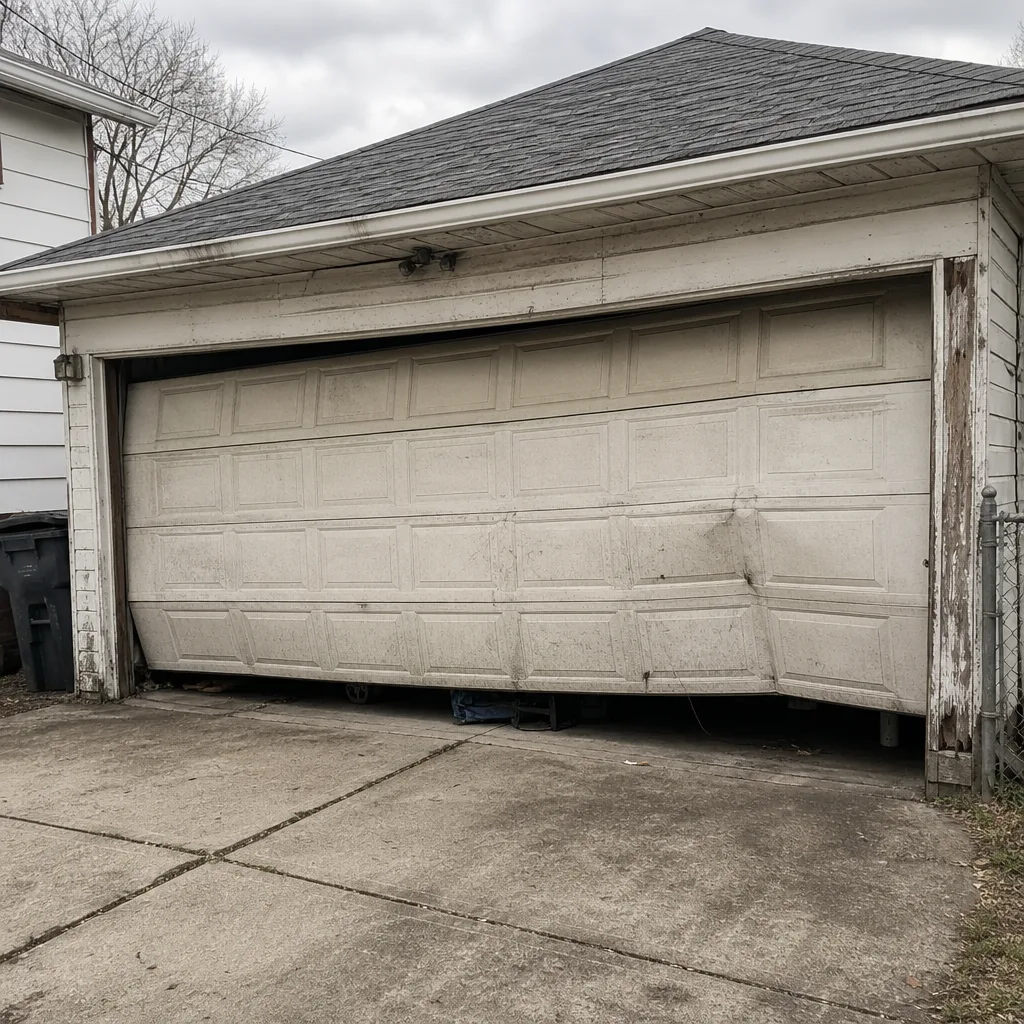 Before
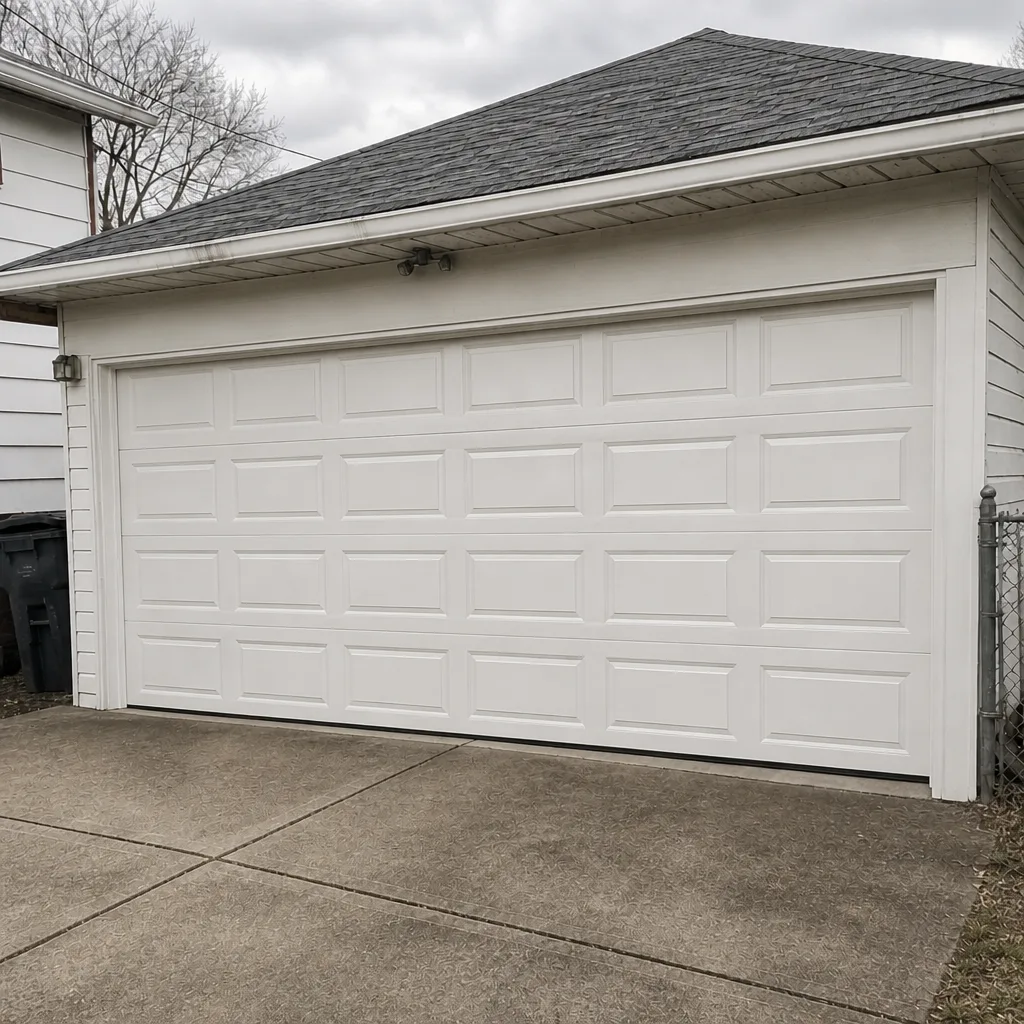 After
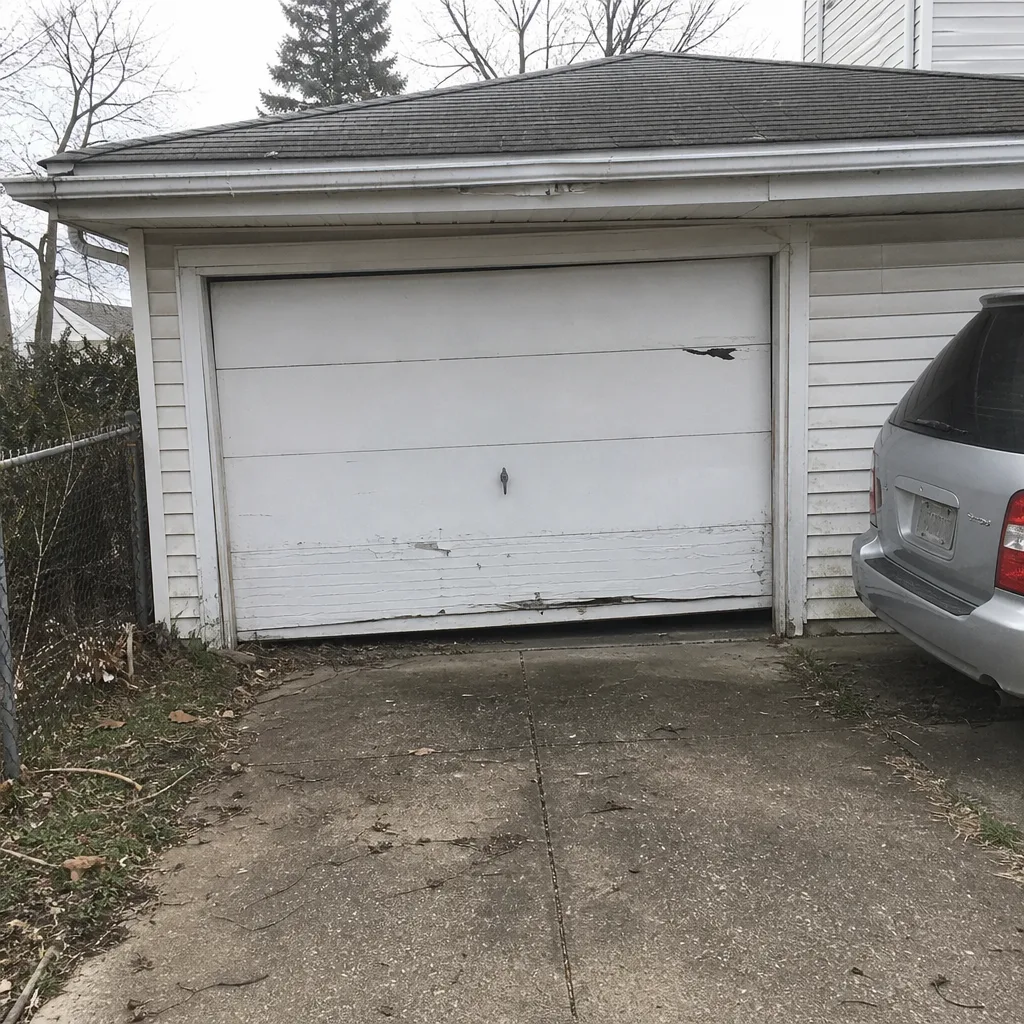 Before
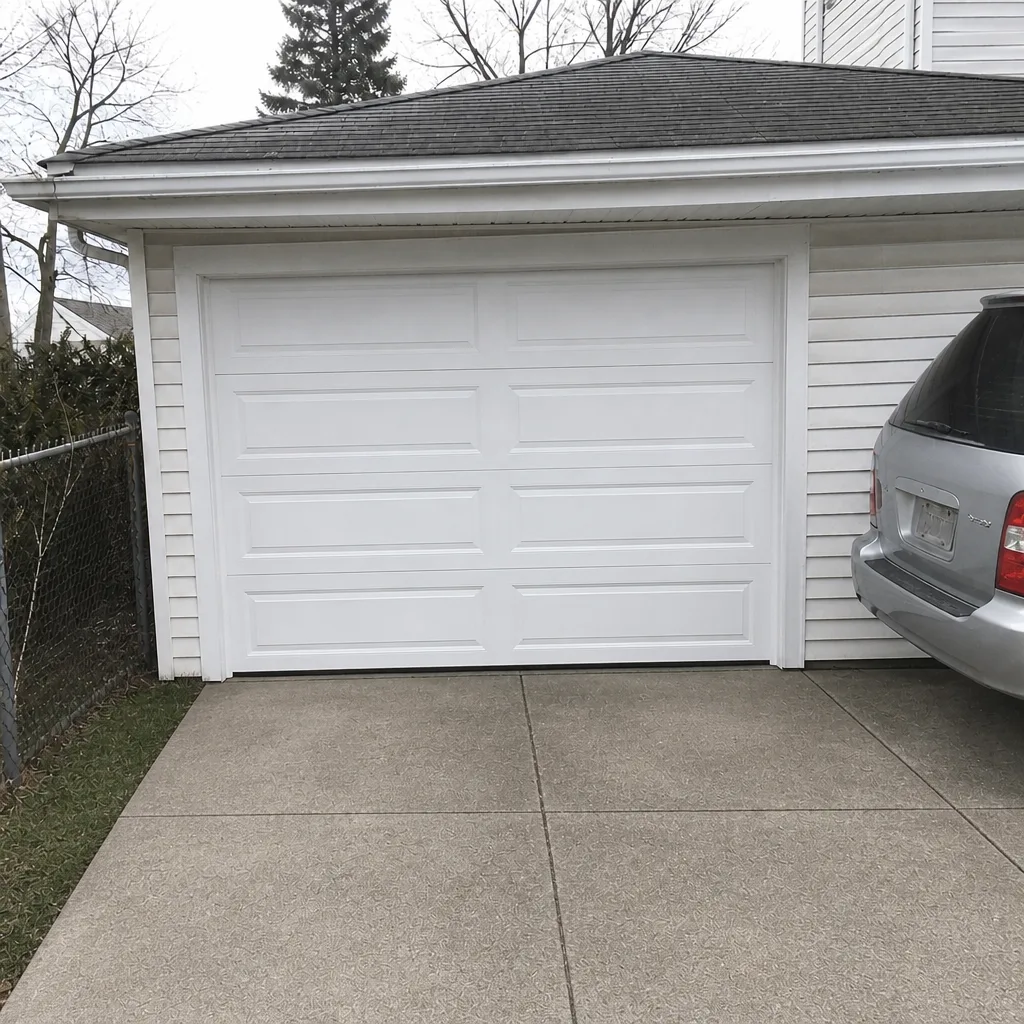 After